February 23, 2010

The Neck Area is Vulnerable in a Car Accident

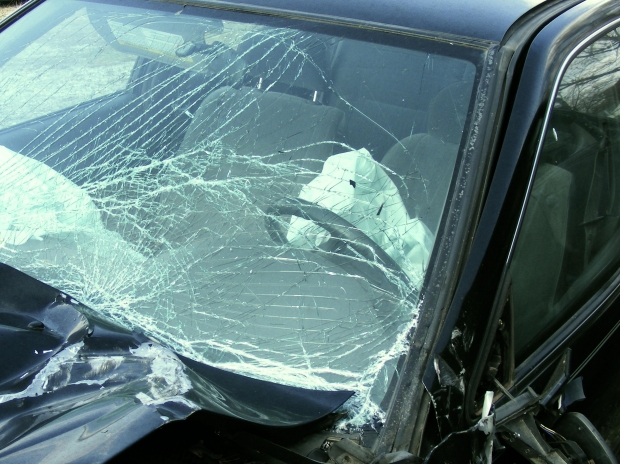
Neck injuries are one of the most common and challenging personal injuries to result from car accidents. Car accident survivors are very susceptible to neck injuries because those passengers wearing seatbelts have their bodies secured. In a collision, the head and neck are in violent motion while the body is restrained. Even where an airbag is present, the head can be pushed forward into the airbag with great force, making passengers vulnerable to neck injury.

The neck is a crucial and complex part of the body. Doctors and surgeons have limited access to much of the neck area, so many neck injuries tend to be permanent or complex. As well, since the neck area is constantly moving and supporting the head, any injury to this area can be extremely severe. In the most extreme injuries, neck injuries lead to fatalities. Survivors of such injuries often have severe, permanent injuries.

The most common types of neck injuries arising from car accidents include:

1) Pinched nerves. Nerves can become pinched due to broken bones or ruptured disks. When damage to the nerves occurs, the result is usually extreme pain. Also, many nerves in the neck area tend to be linked to the spinal cord and arms. This means that patients with pinched nerves sometimes find that an arm is in extreme pain or experiences numbness or weakness due to a neck injury. Pinched nerves also inhibit mobility due to the pain they cause.

2) Neck sprain. Ligaments connect the bones in the neck. When these ligaments tear, stretch, or otherwise are damaged, the result is a neck sprain. Neck sprains result in severe pain as well as stiffness in the neck area which can extend into the back as well.

3) Herniated discs in the neck. The vertebrae in the neck are protected by soft tissue, which also protects the discs in the neck. When the tissue is damaged or torn, part of the disc the tissue is meant to protect protrudes into the spinal column, putting pressure on muscles and nerves. A herniated disc results in extreme pain. Most people with a herniated disc experience stiffness and difficulty with regular motion.

Bookmark and Share

February 18, 2010

Broken Bones and Car Accidents

Of all the possible personal injuries it is possible to sustain in a car accident, the possibility of a broken bone may initially not seem so bad. After all, many car accidents cause permanent injuries such as brain injuries or even fatalities. However, broken bones can be serious. In some cases, they can lead to a permanent lack of mobility or even death.

Bone fractures and broken bones are among the most common injuries experienced by car accident victims. In a car collision, passengers of a car can be thrown about quite violently inside the interior of the car. If the passenger comes into contact with a solid surface – such as a dashboard, this impact can cause a bone to break. As well, if part of the car is crushed in a trucking accident or serious car accident, a passenger may fracture a bone if part of their body becomes trapped in the crushed part of the vehicle, where a great deal of force is exerted.

The most common types of bone fractures experienced in car accidents include:

1) Broken necks. The neck is vulnerable in a car accident because the head is often whipped around by the impact of the collision. While other parts of the body may be protected if a passenger is wearing a seat belt, the head can still move more. Air bags can help reduce the risk, but the force of having one’s head whipped around can cause a broken neck. This sort of broken bone is the most serious. It can cause fatalities or permanent injury and paralysis. If the head is thrown about, brain injury as well as neck injury can also result.

2) Broken jawbones. Again, because the head is not as secured as the rest of the body, bones in the head area are especially vulnerable in a car accident. Passengers in the front seat are especially vulnerable, since the passenger can be forcefully pushed against the hard dashboard surface in an accident, especially in cases where the airbag fails to inflate.

3) Broken limbs. Broken limbs are among the most common broken bones in an accident. This is because arms can be in motion while a car is in motion. If someone is doing something with their hands, their hands may fly up in an accident and a fracture can take place. If a passenger has their arm outside of a window at the time of impact, amputation or fracture are very likely. As well, passengers tend to instructively throw their arms in front of their faces at the moment of impact. While this protects the head, it can also lead to broken bones along the arm area. Broken legs are also quite common for passengers in the front seat because legs are under the dashboard, which is a very vulnerable area in a car accident, especially in some smaller economy cars.

In the most severe cases, broken bones can kill and paralyze. However, even car accident survivors who sustain only a broken arm or leg may experience severe discomfort and lost income due to their injury.

Bookmark and Share

February 16, 2010

Car Accidents Often Cause Knee Injuries

Knees are a major part of our mobility, yet they are one of the most common areas of the body to sustain personal injury in a car accident. This is because in a collision, passengers and drivers are often thrown forward, crashing knees against the dashboard or the seat in front of them. Knee injuries are often very painful and require extensive treatment. The most common knee injuries sustained in car accidents include:

1) The ACL tear. The ACL is the ligament holding the knee joint in place. It is located closest to the joint. This type of personal injury requires a long recovery time and long-term pain. Some patients do not initially know they have sustained a knee injury when they have an ACL tear, because this injury does not present a lot of initial pain. The ACL tear is one of the more severe knee injuries one can sustain in a car accident.

2) The PCL tear. The PCL ligament is located towards the back of the knee. The PCL (posterior cruciate ligament) helps to maintain a knee’s stability and when injured in an accident the result is swelling and pain. Patients with this type of injury require long-term treatment and may have trouble walking for an extended period of time.

3) Torn meniscus. This injury essentially refers to a torn cartilage. Cartilage is a softer type of substance which is linked to the ligaments and helps to prevent friction in the knee joint. When the cartilage tears in an accident, patients may not be able to move easily, their knee joint may pop or snap, and they may suffer from pain.

4) The MCL (medial collateral ligament) tear – The MCL ligament helps promote the flexibility of the knee. When it is torn or damaged in an accident, a patient may feel a great deal of pain. A patient with a torn MCL will also generally have trouble walking and trouble with everyday activities.

Knee injuries are a difficult personal injury to experience because patients with these types of injuries often have trouble with basic mobility for extended periods of time. In car accidents, as well, it is common for multiple ligaments to tear, and this of course delays the recovery proves. Many patients who have sustained knee injuries in a car accident require multiple surgeries and physiotherapy.

Bookmark and Share

February 11, 2010

Driving After a Spinal Cord Injury

Car accidents often result in spinal cord injuries. Pedestrian accidents and other accidents also often result in this injury, which can affect your mobility and therefore your ability to drive. If you have sustained a spinal cord injury, you will want to take these steps before getting back behind the wheel:

1) Have a professional evaluate your ability to drive. There are driving instructors, doctors, and occupational therapists who can evaluate your vision, strength, movement, and reaction time to determine whether you can safely drive after your accident. These professionals may give you the go-ahead to drive or may suggest specific therapies or other suggestions to make you capable of driving.

2) Learn to drive a vehicle with the equipment you need. If you have sustained a spinal cord injury, you may need special adaptive equipment in a car to drive safely again. You will need to train yourself to drive in this type of equipped vehicle. Rehabilitation centers offer special rehabilitation classes that can teach you this skill.

3) Get your car ready. After a spinal cord injury, you may need to equip your car with special equipment that will make it easier for you to reach controls, get in and out of the car, see the road, and buckle up. Your car may be specially adapted or you may want to buy a car with lowered floors, higher roof, and other special features. Your specific injuries will determine what changes – if any – you need to make. Speak with your doctor and physical therapist about the changes you will need to make. However, make as few changes as you need to. It will be easier to adapt to a car with fewer alterations.

4) Get your licensing ready. If you have sustained a serious spinal cord injury, you may need a note from your doctor or retesting. You may also need license plates that allow you to park in special blue zones to make it easier for you to get to your destination.

5) Get your insurance ready. As a result of your injury, your insurance coverage may have changed. You may need to pay different premiums. You may also need more coverage, as your car may cost more to replace with the new adaptive equipment.

Bookmark and Share

February 9, 2010

Decoding Your Car Insurance After An Accident

After a car accident that has resulted in personal injury or damage to property, you will need to deal with car insurance. While you may be considering the other driver’s car insurance, remember to also look at your insurance provider. Your insurance carrier may also provide coverage that is important to you. Here are the types of coverage which can be important after an accident:

1) Medical Coverage. If you have this coverage, the medical bills of yourself and some of your passengers may be covered. This is very important if you have sustained head injuries, spinal cord injuries, or other injuries as a result of the crash. This coverage is often for $1,000 to $2,000. However, you may be covered for a different amount, depending on your coverage.

2) Property damage. If you have this type of insurance, your insurance company will pay for repairs to your car, as long as your car can still be repaired. Some insurance providers also offer a rental car while your car is in the shop.

3) Uninsured Motorist Coverage and Underinsured Motorist Coverage. If you are in an accident with a driver who has no insurance or very little insurance, having this type of coverage is important. It ensures that you are covered for a specific amount for your injury and property damage.

4) Health Coverage. In addition to your car insurance, do not forget to take a look at your health insurance. You may be able to use this insurance to pay for medical costs. If you do not have health coverage or do not have adequate health coverage, you will want to hire a good Florida personal injury attorney if you have sustained an injury. Your attorney can seek out a settlement for you in the event that someone’s negligence or recklessness has caused the crash. Your attorney can also send a “letter of protection” to doctors and clinics, assuring them that medical costs will be paid after your settlement. This letter will ensure your credit rating does not suffer.

5) Compensation for Lost Wages, Pain and Suffering, Medical Bills, Mental Anguish, Disfiguring Scars and Permanent Physical Injury. Most insurance companies cover for these losses. If you have sustained a serious injury, such as a burn injury or spinal cord injury, you will want to seek compensation for these items. However, you will need to ensure that these losses are well documented. Visiting a doctor regularly and keeping evidence of your injuries in the form of photos and journals can be useful.

Bookmark and Share

February 4, 2010

Making a Claim After a Car Accident

The National Safety Council reports that in any given year, one in eight drivers will be in a car accident and will need to file an insurance claim. Over the course of fifteen years, the average driver is very likely to be in a car accident. In fact, according to the National Safety Council, the average driver has a 99.3% chance of being in an accident during a fifteen year period.

Many drivers feel that they are adequately covered by the car insurance that they spend considerable amounts of money on, but this is not always the case. Not every driver on the road is adequately insured, so you may have a hard time making a claim against another driver. Even your own insurance company can beset you with questions and forms to ensure that you are honest in your claim. Here are some tips for making your claim process easier:

1) Have the right insurance. Go over your insurance regularly and know what is covered and what is not covered. Make sure that you have adequate insurance in the event that you are in an accident.

2) If you are in an accident, start gathering information as soon as you can. Always exchange insurance information, names, license plate numbers, contact information, and more. Take photos at the scene if at all possible, and keep a journal of any personal injuries or expenses you incur as a result of the accident.

3) Contact your insurance company right away. File a claim as soon as you can after an accident. Cooperate with the insurance provider and keep lines of communication open so that you understand how your claim is progressing. If you need help filling out forms, ask for it. Insurance forms are sometimes rather complex.

4) Hire a good Florida personal injury attorney if an accident has resulted in a serious personal injury or a fatality. You will likely need some legal advice and help. If you have been the victim of a loss or injury, you will need a good negotiator on your side to ensure that you get all the resources you need to handle your injury. Many insurance carriers only recompense you for immediate medical costs and income loss, but your injury may cost you a great deal over time. A good attorney can determine the total costs of your injury and negotiate to ensure that as much of these costs are covered as possible.

Bookmark and Share

February 2, 2010

Could Optical Speed Bars Help Reduce Speeding-Related Car Accidents?

Highway departments across North America have been using an optical illusion to help prevent speeding and the accidents that it can cause. Optical speed bars use painted dividing bars to trick drivers into slowing down. Designers of the bars use specific distance between dividing bars to make drivers slow down. Designers slowly make the distance of stripes smaller over a specific distance. This makes drivers instinctively slow down, according to research.

Across North America, optical speed bars are used on construction zones and other areas where slow speed is vital for safety. The bars work by making drivers more conscious of their speed, even if the drivers do not glance at their speedometer. The way the brain processes the bars makes the driver think they are going faster than they actually are, which actually encourages the driver to drive slower than they intend to.

The optical speed bars work by making drivers feel that the painted yellow highway dividers are whooshing past at a faster rate. This illusion seems to work at slowing drivers down, according to research studies. Researchers have found that on highways, in rural areas, and around construction sites, optical speed bars do seem to reduce driver speed.

One study at the University of Kansas found that drivers reduced speeds by up to 29.8% when driving by optical speed bars. Researchers found that optical speed bars yield the most significant results on the morning drive 7 a.m. and 9 a.m. This may be because drivers are more tired and more receptive to the illusion at this time. Further, studies have found that drivers maintained a lower speed even after leaving optical speed bar areas.

Some municipalities are adding optical speed bars to areas where a high incident rate has occurred. Others are adding them on curved roads or high speed limit areas, where driving conditions are more dangerous. They are also very common in construction areas, where despite posted speed limits, some drivers tend to drive too fast for safety. Hopefully, these optical illusions will help prevent accidents and the personal injuries they cause. Currently, there is no research as to whether these bars prevent pedestrian accidents or bicycle accidents, but slowing down drivers is of course key to preventing most types of accidents involving vehicles.

Bookmark and Share

January 28, 2010

Stopping Common Driving Mistakes

According to many experts, the most common driving mistakes which cause car accidents, pedestrian accidents, and personal injuries are in fact habits. Drivers learn a few mistakes and after a while do not even notice that they make these mistakes behind the wheel. Check to see whether you are guilty of any of these bad habits:

1) Bad mirror adjustments. Most drivers position their side mirrors so that they can see part of their own car and some of the area behind their vehicle. It is actually far more effective to position your mirrors so that you can’t see your car at all. You don’t need to see your car door and by angling a little wider you will decrease your blind spots.

2) Not idling. We all know that idling is bad, but turbochargers require some idling to ensure that oil can flow through them correctly and protect the metal. Idling for a few seconds after starting the car and after each drive can extend the life of your turbocharger.

3) Using the brakes too often. Constantly pressing down the brakes confuses drivers behind you and wears down your brakes. If you are heavy on brakes because you are a nervous driver, consider additional training or racing classes to get more comfortable behind the wheel.

4) Not using headlights correctly. At night, make sure you have your night lights on, not your daytime lights. You need the extra light to ensure that drivers can see you. At the same time, don’t drive around with high beams on unless you actually need them. Head beams can blind oncoming drivers and cause accidents. Keep in mind, too, that in some weather conditions – such as rain and fog – high beams can actually decrease your visibility.

5) Not speeding up in the passing lane. If you’re going to pass a car, you will need to enter the passing lane. Once there, though, you will need to speed up a little bit in order to pass the vehicles you wish to pass. Puttering along in this lane can cause other drivers to tailgate or drive aggressively. If you don’t want to speed up, do not pass.

6) Incorrect turning. When turning, make sure you put on your signal and make a turn in your own lane. Do not drift into another lane or change direction. This sort of incorrect turn could lead to an accident.

Bookmark and Share

January 26, 2010

New Rules May Reduce Car Accidents

Some national research studies have found that drivers who text and drive are 23 times as likely to be in a car accident. With studies like these and safety experts increasingly speaking out against distracted drivers, many legislators are taking note. Chuck Schumer, a Democratic Senator, introduced a bill which would require states to ban texting while driving in order to qualify for federal highway funds. Senator Jay Rockefeller has introduced a bill which would offer grants to states which did ban texting and driving.

Even President Barack Obama has aimed to reduce texting and driving. During a conference about distracted driving last fall, he signed an executive order which bans federal employees from texting while driving. While that takes care of some government employees, however, in many states, drivers can legally text and drive. This is despite the fact that research has shown that texting and driving can lead to serious car accidents and personal injuries.

Transportation Secretary Ray LaHood has stated that texting and driving bans should apply not only to car drivers but also to bus drivers and truck drivers, who can cause serious bus accidents and trucking accidents by texting while driving. LaHood noted that for texting and driving bans for bus and truck drivers to be effective, they would need to work across state lines, since these drivers tend to drive across states often.

However, the government may need to face the fact that legislation alone might not work. The Insurance Institute for Highway Safety conducted a study which concluded that texting while driving and cell phone use actually slightly increased after these activities were banned among younger drivers. Although Phoenix banned texting and driving, a Reuters study in that city found that three out of four teens polled admitted to texting while driving. Clearly, any legislation will need to be followed up with enforcement and penalties. Most teens do not see texting while driving as something bad or wrong. Yet, many do see texting as a vital activity.

Legislators may need to ensure that penalties for texting while driving are high, in order to discourage drivers from texting while driving. Studies of teen habits also suggest that enforcement may be an issue. Unfortunately, many police agencies note that catching drivers who break such legislation is difficult. Most texters keep mobile devices on their laps or out of the way of windows, so that it is hard for officers to see texting on the roads. In addition to legislation, other types of initiatives may be important to stop texting and driving.

Bookmark and Share

January 21, 2010

Oprah Winfrey Takes on Distracted Driving

This week, The Oprah Winfrey Show has broadcast a show about distracted driving, taking an aim at texting and driving specifically. Advocates are cheering the move, saying that the talk show host has such a key influence on people that more drivers may sit up and notice that texting while driving is dangerous. The show is asking people to take a pledge not to text or talk on their cell phones while driving. More importantly, say advocates, Oprah Winfrey’s considerable influence may make texting and driving seem socially unacceptable. The show even features t-shirts which feature the slogan “Don’t Tempt F8, That Txt Can W8.”

The show on distracted driving takes aim at distracted driving specifically caused by mobile devices – Winfrey addresses emailing, texting, and cell phone use behind the wheel. During the show, Winfrey speaks with several guests who have lost loved ones due to a distracted move. The guests offer a face to the losses associated with distracted driving.

Winfrey backs up her claims in the show with specific facts. She notes that 71% of drivers between 18 and 49 years of age admit to talking on a cell phone or texting while driving. She notes that such behaviors cause 6000 deaths and half a million personal injuries each year – statistics she notes will increase unless people put away mobile devices when getting into their cars. At one point, an expert notes that drivers who are talking on a cell phone are four times more likely to be in an accident than non-distracted drivers – the same accident rate as drunk drivers. Drivers who text while driving are eight times more likely to be in a car accident than non-distracted drivers, according to the show.

Winfrey calls distracted driving a “deadly habit” and notes that her interest in the issue increased when she read a number of articles in the newspaper about distracted drivers who caused serious car accidents, pedestrian accidents, bus accidents, and trucking accidents. Winfrey praises Utah’s tough distracted driving laws at one point during her show and interviews Reggie Shaw, a young man who killed two people a few years ago when he was texting and driving. Shaw admitted to texting and driving frequently while behind the wheel and notes that many of his friends do the same thing. The families of his two victims -- Keith O'Dell and Jim Furfaro – worked to change distracted driving laws in Utah and Reggie himself has spoken out against distracted driving.

At one point during the show, Oprah Winfrey speaks to a specialist who notes that distracted driving is dangerous because the brain cannot process texts or cell phone calls as well as the information being seen visually through a windshield. Distracted drivers see only part of the information before them. Their brains effectively don’t notice some items on the street in front of them – such as other cars or pedestrians – since their brains are too busy processing incoming information from a mobile device.

The show even showed what happens during texting and driving. The show invited three guests to take part in a driving test. Each driver felt confident about their abilities to drive and text at the same time. After taking a driving test while texting, all three guests could see that they could not drive safely. This allowed Oprah Winfrey to note one of the key problems with texting and driving: many people genuinely believe that they can do both but in fact no one can do both successfully.

Bookmark and Share

January 19, 2010

Can Texting Accidents Overshadow Drunk Driving Accidents?

According to a UK research study conducted by the Transport Research Laboratory (TRL) and the RAC Foundation, texting is as deadly as drunk driving, and the startling results are just as applicable in the US as in the UK. The study had 17-24 year old drivers read, write, and ignore text messages while driving a driving simulator. Researchers concluded that the response times of test subjects decreased by 35% when distracted by a cell phone or mobile device. In comparison, response times decreased 12% when test subjects were drinking to the legal level allowed for their blood alcohol limit. Test subjects who were driving under the influence of marijuana had response times slowed 21%

The study found that distracted driving affected more than just response times. Test subjects distracted by a mobile device also had steering control reduced by 91%. As a result, many test subjects had trouble remaining in their lane while texting. Researchers also found that drivers distracted by texting followed too close behind the car in front of them, further increasing the risk of an accident.

Interestingly, all the test subjects in the study believed that they could text quickly and effectively, even while driving. All were experienced with texting. Despite this, it took them three times longer to compose and send a text message while driving. Researchers found that texters who think they are distracted for only a few seconds while driving in fact underestimate the amount of time it takes them to compose a text message on the road. In fact, researchers found that drivers sending just one text message were distracted for over half a mile or one full mile on the highway.

If this study is worrying on its own, research in the US is even more troubling. Accroding to US researchers, teens often text while driving, even though they know it is dangerous. Most teens polled also admit to breaking current text bans while driving and claim they would continue texting and driving, even if federal legislation makes it illegal to text message while driving in any state. Many teens claim that they are too dependent on text messaging to give it up, even while driving.

Police agencies also note that catching people who are texting while driving is difficult. The California Highway Patrol, for example, has issued 163,000 tickets since 2008 to people who are talking on cell phones while driving. However, only 1,400 texting tickets have been issued. Considering there are 23 million drivers in the state, this means that many people are texting, driving – and getting away with it. Police note that cell phones are easier to spot since drivers hold the devices up to their ears. Drivers often hold devices behind the dash or on their laps when texting, making texting drivers hard to spot. Currently, 20 states ban texting and driving. Nine states ban texting and driving only for young drivers.

No experts claim that text messaging while driving is not dangerous. However, getting drivers to listen is another matter. Police agencies believe that passing new laws alone won’t help. Like many experts, they believe that a change of perspective needs to happen. Drivers need to start seeing texting as dangerous and socially unacceptable.

Bookmark and Share

January 14, 2010

Move it Campaign Aims to Reduce Secondary Car Accidents

When a car accident takes place, the risk of secondary car accidents increases. These types of accidents occur when distracted drivers collide with cars that have been in an accident. These accidents can also take place when cars collide because drivers are too busy looking at the accident to focus on the road. While many secondary accidents are fender-benders, they can still lead to serious injuries, including broken bones and head injuries.

A campaign in Florida known as the Move it…Yes You Can Campaign aims to reduce the number of secondary accidents. This campaign specifically aims to convince drivers who have been in an accident to move the vehicle. About half of traffic congestion is due to car accidents and Florida state laws in fact require drivers who are involved in minor accidents with no injuries to make reasonable efforts to move their vehicles so that the cars involved in an accident will not cause other accidents or traffic congestion.

Many drivers are not aware of this law and are in fact reluctant to move their vehicles. Some drivers assume that moving their vehicles will remove evidence of negligence or will create legal problems. The Move it…Yes You Can Campaign hopes to raise education and awareness about Florida’s laws regarding this important issue.

If you have been in an accident where injuries or serious damage has occurred, you should not move your vehicle and you should encourage other drivers not to move their vehicles. Where serious injuries – such as head injuries, burn injuries, or spinal cord injuries – have taken place, investigators will be examining evidence and charges as well as legal suits may take place. In these cases, it is best not to move your car. Remain in place until emergency personnel arrive.

Luckily, most accidents are minor fender benders with no injuries. If you have been in such a minor accident in which all passengers and drivers are uninjured, move your car off the road and wait until the other driver moves his or her car off the road to exchange information and to resolve the situation. This simple action can help prevent further accidents and injuries.

Bookmark and Share

January 12, 2010

Are Texting Car Accidents More Common Than DUI?

The campaign to prevent drunk driving accidents has been ongoing for decades and today many people have gotten the message that driving under the influence is morally wrong. Even though DUI accidents still occur far more than they should, most drivers are at least aware that drinking and driving are wrong and risky. Yet, some experts claim that driving while texting is even more dangerous and more pervasive.

Legislators have already considered banning texting and driving – or any mobile device use while driving -- in many jurisdictions. In 2008 alone, the Florida Highway Patrol found that 1 400 personal injuries and 15 deaths were the result of driver distraction. Currently, the Florida Highway Patrol does not keep records of specific distractions. However, in the future officers hope to accumulate records on the number of driver distraction accidents caused specifically by texting or mobile phone use.

However, studies have already shown that texting and cell phone use while driving is dangerous. According to the National Safety Council, 80% of all car accidents are due to driver inattention. Other studies have found that texting while driving is as dangerous as driving under the influence – drivers distracted by texting are four times more likely to get into a serious car collision. This is the same risk factor as driving under the influence.

Unfortunately, drivers do not seem to be getting the message about driving while using mobile devices. According to the American Automobile Association, 46% of teen drivers text while driving. While there is a social stigma to drinking and driving, a similar social stigma does not appear to exist for texting and driving. This casual attitude about using cell phones while driving, warn experts, may make texting more dangerous than drinking and driving, simply because more drivers are liable to text and drive or to see nothing wrong with texting and driving.

Representative Doug Holder, R-Sarasota, has filed a bill which would ban texting while driving. The bill, which will be under review in the 2010 legislative session, is supported by cell phone companies. The main problem, legislators note, is that it may be difficult to enforce such a new law. Some members of the US Senate may begin denying funding for federal roads in states where texting is legal on roads.

Part of the problem with texting is that it violates a fundamental rule of the road: keep your eyes and focus on the road. Drivers who text remove their eyes from the road for seconds or minutes while typing or sending text messages. This is enough time to cause a serious pedestrian accident, collision, or fatality. Even talking on a cell phone removes focus from the road and can result in an accident.

Bookmark and Share

January 8, 2010

Cold Weather in Florida May Increase the Risk of Car Accidents

A recent cold snap in Florida and across much the Eastern US this past week has worried many people. Parts of West Palm Beach, Miami, and Ft. Lauderdale set near-record lows on overnight forecasts and many tourists and residents were shivering during the day in 27-degree wind chill. Parts of Virginia and Kentucky saw snow.

Unfortunately, such conditions create severe problems for drivers. Even if Florida does not see snow, most drivers in the state may not be ready to drive in icy temperatures. This can cause a spike in car accidents in the upcoming few days. Parts of New York and Vermont have already reported increased car accident rates and personal injury rates.

Florida drivers may not be prepared for driving in icy temperatures. When driving on cold roads, it is important to slow down. Even if roadways look clear and no snow or ice is visible, it is important to keep in mind that even tiny amounts of water on the roads can freeze in icy conditions.

Unfortunately, many Florida drivers do not have winter tires – required by drivers in snowier states. Winter tires provide extra grip and some even have metal studs to better grip the roadway through ice and snow. If your car is not equipped with snow tires, slow down and use extra caution. If ice is reported on the roads, you may be safer staying inside rather than driving. Summer tires simply do not grip the icy roads very well, and this will cause you to lose control of the vehicle.

Drivers may also want to keep in mind that icy conditions can cause other problems as well. Any water on a windshield can turn to ice and can impede visibility. If precipitation is mixed with icy temperatures, blowing snow and ice can hamper visibility even further. If you must drive, get windshield wiper fluid designed for cold temperatures. Before driving, make sure that you scrape off any ice or snow on your vehicle. Do not use regular windshield fluid, as it may freeze on your windshield, making visibility difficult. Make sure that your windshield wipers work well – these are a vital tool for keeping your visibility good in the cold.

Cold temperatures outside and a warm car interior often mean foggy windshields and windows as condensation accumulates on the inside of your car. If this happens to you, use your defrost to remove the fog that might be hampering your visibility. If you do not have this feature, use a chalkboard eraser to wipe down the inside windows – pull over to do this, however. Avoid using your sleeve or clothes to wipe away fog – this usually results in streaks and dirty glass that makes it hard to see.

Bookmark and Share

January 5, 2010

How Social Networking is Affecting Car Accident Claims

Many people enjoy staying in touch with social networking sites such as Facebook, MySpace, Twitter, and other sites. However, if you have been in a car accident and have sustained personal injuries, you may want to reevaluate how you update your sites. Investors and insurance carriers look at social networking sites when evaluating claims. The wrong message on your sites may affect your claim and your chance at a fair settlement.

You may have already read it in the news: people being accused of insurance fraud or having benefits cancelled due to Facebook or other social sites. Even if you think you are immune because you would never try to defraud an insurance provider, your social networking activities may affect your ability to make a claim.

After a car accident in which you have sustained a brain injury, broken bone, burn injury, spinal cord injury, or other serious ailment, you will need to make a claim with an insurance provider in order to be compensated for your medical and related costs. It is also a good idea to hire a good Florida personal injury attorney, who can protect your interests and your rights in a claim.

The insurance provider will evaluate your claim and your claims of injury. Today, many insurance providers use investigators to evaluate claims in order to reduce the instances of fraud. As well, in jury trials, attorneys use investigators to evaluate plaintiff’s cases. In both cases, investigators are increasingly turning to social networking sites to gather information.

Even seemingly innocent pictures and posts can get you into trouble. If you have sustained a spinal cord injury and post on your blog or Twitter page that you have gone shopping, for example, investigators may question this and note that you seem to be performing every day activities perfectly well. If you post pictures of yourself and friends having fun and smiling, this can also be used by investigators as evidence that your injuries are not so severe. This can affect your ability to get a fair settlement.

If you have a blog or if you take part in any social networking sites, you will want to speak with your Florida personal injury attorney about your online activities. Your attorney can advise you about which things you can or cannot post about. Your attorney may also recommend that you briefly stop online social networking in order to increase the chances that you will get the help you are entitled to under the law.

Bookmark and Share

December 31, 2009

New Year’s Eve and Car Accidents

Highway Patrol authorities across the country are setting up roadway checks and adding extra troopers on highways and roadways to keep drunk driving accidents to a minimum on New Year’s Eve. Unfortunately, authorities have good reason to be concerned. In most areas of the country, the rate of car accidents and truck accidents increases at this time of year.

Many people attend New Year’s Eve festivities where alcohol is served and some revellers decide to drive while intoxicated. A shortage of cabs, night driving after New Year’s Eve parties, and more drivers on the road than usual compound the problem. The U.S. Department of Transportation’s National Highway Traffic Safety Administration is organizing a national campaign. The campaign, “Drunk Driving. Over the Limit. Under Arrest” will continue until Jan. 3.The campaign will see participating police authorities organize checkpoints for sobriety, seat belt use, and traffic infractions on New Year’s Eve. The campaign will also raise awareness and inform drivers about alternatives to drunk driving.

In every state, it is illegal to drive with a Blood Alcohol Content of .08 or higher. There are many campaigns in place to help drivers avoid driving under the influence. Some cities organize free public transportation for New Year’s Eve. Some bars offer free breathalyser tests and some advocacy groups even hand out free breathalyser test key chains, which allow drivers to test sobriety before getting in a car. Despite all these measures, unfortunately, some people continue to drink and drive.

As a result, many authorities and cities are getting tough on drunk drivers. In some areas, drivers caught at checkpoints with an illegal blood alcohol level will face a minimum five hours in jail, possible addition charges, fines, and other penalties.

If you are attending New Year’s Eve festivities, designate a driver, make plans to stay overnight or find an alternative form of transportation. It is a good idea to have at least three possible ways of getting home, just in case one travel option does not work well after New Year’s. Having more options ensures that you are not tempted to get behind the wheel after drinking.

Bookmark and Share

December 29, 2009

Older Drivers Can Prevent Accidents With the Right Car Options and Devices

Older drivers may suffer from conditions and illnesses which make driving a challenge. Since there are more elderly drivers on the roads, however – one estimate from the AAA suggests that by 2024, one quarter of all drivers will be over 65 – manufacturers are creating devices and car options that make mobility easier for elderly drivers. Some of these devices help elderly drivers drive safely and can even help prevent car accidents:

1) Larger wheels and simplified ignition systems. Thicker wheels are easier to grip – even for drivers with arthritis or other conditions – and allow elderly drivers to retain better control of their vehicles. This can be crucial if a driver needs to act quickly to avoid a car or pedestrian accident. Simplified ignitions that do not require a twist motion are also good options for drivers with limited mobility.

2) Power features. Although not marketed specifically at elderly drivers, power features – such as keyless entry, power locks, and power windows – are great for older drivers with limited mobility.

3) High seats. Higher seats make it much easier for elderly drivers to climb in and out of a vehicle. These seats also prevent elderly drivers from having to lift themselves out of a seat. Higher seats also offer seniors a better view of the road. Look for cars that have adjustable seats that come to mid-thigh when standing for best comfort and car control.

4) Good doors. Four-door cars with easy to open doors are important, as they make getting in and out of a car simpler. Older drivers should look for doors that open easily without a struggle. As well, low door thresholds are useful for climbing in and out of a car.

5) Visible controls and good sub visors. Many seniors begin experiencing some vision problems, and visible controls in the car with large, contrasting text are important. Visible controls allow drivers to see fuel levels, audio controls, and other areas of the dash easily without removing focus form the road. As well, extended and flexible sun visors which reduce glare are also important in allowing drivers to see the road clearly.

Bookmark and Share

December 24, 2009

Is Driver Nonchalance Affecting Car Accident Rates?

Sometimes, it appears that driver attitudes cause driving accidents. While many drivers take their driving privileges seriously and work to be safe drivers, others seem nonchalant about their driving, and this attitude can cause fatal car and pedestrian accidents. Some poor driver attitudes include:

1) Seeing driving as a right. Many drivers see driving as a right, because they see driving as freedom or as the only way to get to work. However, driving is a privilege that must be earned and respected. Not respecting your privilege could cause you to mistakes that make you lose your license.

2) Being casual about the physical logistics of driving. Not adjusting a car seat or driving with your hands at the bottom of the wheel can affect your driving ability. In a car accident, such sloppiness can affect how much you are able to control your car. It is important to ensure that you are ready to drive and that your vehicle is correctly adjusted for your size. Adjust all mirrors to give you maximum visibility and drive with your hands at the nine and three o’clock positions for maximum control of the wheel.

3) Assuming that driving does not require all our attention. While most drivers are initially cautious, as they become used to driving they start doing many things while operating a vehicle: applying makeup, talking on a phone, texting, reading, and eating. Any activity other than driving does not belong in the car. If you need to do something else besides drive, pull over. Driver distraction is a major cause of car accidents and truck accidents.

4) Being casual about physical condition. If you feel poorly or are taking certain medications that make you feel groggy or sleepy, stay off the roads. Read your medication descriptions to ensure that you are safe to be on the roads. If you are tired, hungry, angry, distracted, in pain or otherwise not in good physical condition, you pose a danger to other drivers. You could cause a car accident.

5) Being casual about doing pre-drive checks. Most driver education programs teach students that they need to check a car before each drive. After most of us have been driving a while, though, we stop doing this simple check. Unfortunately, this can mean that we miss mechanical problems that could be a serious hazard.

Bookmark and Share

December 22, 2009

Preventing Car Accidents When You Have Diabetes

Diabetes is a very treatable condition and many people who have this illness are able to drive successfully and safely. However, if you have just been diagnosed with diabetes, your doctor may tell you to stay off the roads until your condition is under control. This is because diabetes can make your blood sugar levels too low or too high. This can cause many serious symptoms, including seizures, dizziness, drowsiness, confusion, blurry vision, and even loss of consciousness. Obviously, all these symptoms can be very dangerous when you are driving a car.

In a few cases, diabetes may cause complications or permanent problems that prevent a patient from driving. Some diabetes patients, for example, experience nerve damage to the hands or feet or lose their eyesight. In cases where diabetes complications are severe, a doctor may recommend a suspension of driving privileges.

It is important to communicate openly with your doctor about your diabetes. Ask how diabetes may affect your driving and report any new symptoms promptly. Your doctor may ask you to check your glucose levels before driving. If your blood sugar levels are too low, you may have a hard time controlling your car and driving safely. Your doctor can help you understand how to test your glucose levels and can help you manage your diabetes so that your levels remain relatively stable.

With time, you will learn to manage your diabetes and you will be able to recognize signs of a low blood sugar. If you have trouble recognizing the signs of low blood sugar, you might seek out glycemic awareness training, which will help you detect and manage changes in your blood sugar.

It is a good idea to keep snacks and sources of glucose with you in your car at all times. You will also want to buy a blood glucose meter for your car. Keep both items in your glove compartment. When you feel that your blood glucose level is low, pull over and test your levels. You may need to rest and eat a snack before retesting. If your blood glucose level increases after 15 minutes, eat a snack containing protein. Once you feel better and your glucose levels are stabilized, continue driving. Avoid driving on a low glucose level to get home – you could be in an accident and sustain injuries while driving with low glucose levels. Due to your diabetes, you may have a harder time recovering from some types of personal injuries.

If you are anxious about driving with your diabetes, you may want to consult with a driving rehabilitation specialist. You can work with your doctor and your driving rehabilitation specialist to ensure that your condition does not affect your driving. Your driving rehabilitation specialist can check your driving skills and can work with you to ensure that your diabetes does not affect your driving.

Bookmark and Share

December 17, 2009

Avoiding Car Accidents After a Stroke

When a stroke takes place, the blood supply to the brain is interrupted, damaging brain cells and in some cases, causing brain damage. Strokes vary widely in severity, as does the rate of recovery. After a stroke, some patients are not able to see, move, or think clearly or easily. Other patients recover fully. Some patients experience partial paralysis that is permanent or temporary.

It can be hard to accept that our ability to drive changes after a stroke, but a stroke can affect a person’s ability to drive, sometimes permanently. After a stroke, patients may have a hard time applying the brake or gas or may struggle to turn the wheel. Some patients may become confused while driving and may become frustrated, especially if patients have a hard time thinking clearly. Some patients have difficulty remaining in their lane or even understanding traffic signs.

Many patients are able to recover almost fully from a stroke and are therefore able to drive again. However, this depends on how much damage a stroke has caused. It can take some time to evaluate how extensive the damage from a stroke, which is why it is important to work with your doctor and to avoid driving until you are sure you can do so safely. Keep in mind that you may be at risk for another stroke. If you have a stroke while driving, you may lose control of your car and cause a serious car accident or pedestrian accident. For this reason, it is vital to avoid driving until your doctor says you may drive safely.

The warning signs of stroke include vision difficulties, sudden weakness or numbness (especially along one side of your body), sudden confusion, sudden difficulty speaking, sudden loss of balance, sudden difficulty with movement, dizziness, severe headache. If you experience these symptoms suddenly, get medical help immediately. If you are driving when you experience these symptoms, pull over your vehicle and get emergency help immediately. The sooner you get help after a stroke the more likely you are to recover fully.

If you have had a stroke and are worried about your driving, talk to your doctor. Your doctor may recommend that you see a driving rehabilitation specialist. A driving rehabilitation specialist can evaluate your driving skills and can help you develop a method of regaining any skills you have lost. In addition, the driving rehabilitation specialist can guide you through driving rehabilitation and can help you find devices and tools for your car that can make it easier for you to drive after a stroke.

Keep in mind that you need to be honest with your doctors and driving rehabilitation specialists. If you have worrisome symptoms, you need report them, even if you fear your license will be taken away from you. There are many options available to help you retain your independence. If there is any chance that you may recover your driving skills, a driving rehabilitation specialist will help you regain these skills. If your driving skills cannot be recovered, your doctor and driving rehabilitation specialist can help you find alternatives that allow you to keep your independence. However, if you have been told to stay off roads, it is essential that you follow this advice.

Bookmark and Share

December 15, 2009

Should We Crack Down on DUI More?

Some experts warn that we are too soft on drunk driving that causes car accidents, pedestrian accidents, and serious injuries as well as fatalities. About half of all drunk driving cases are reduced or dropped entirely, studies have found. This trend worries experts, who claim that a lax attitude about drunk driving sends the wrong message and does nothing to discourage drivers from driving under the influence.

Experts also point to statistics which show that drunk drivers are often repeat offenders. Someone caught driving drunk today has a one in ten chance of getting another DUI charge, according to some studies. Experts worry that people who are not charged with DUIs or have charges reduced or dropped may adopt a more casual attitude about drunk driving. Such drivers may worry less about drunk driving, knowing that they are not a convicted drunken driver. Some drivers may feel or expect that charges will always be lax.

A report by the Daytona Beach News-Journal found that DUI defendants with private attorneys generally are able to avoid a DUI conviction. Virtually all defendants with private attorneys who had a first DUI charge were able to avoid conviction. The study found that between 1991 and 2008, 15,240 single DUI charges were recorded. Of these, 64% of defendants with a private attorney had their charges dropped or reduced. Only 30% of defendants with public defenders had their DUI charges dropped or reduced. Experts note that the disparity may be because private attorneys have more time to focus on flaws in a case and are able to devote more attention to cases on behalf of their clients.

To some, however, the disparity suggests an inequality in the justice system. Worse, some experts claim that such a system is putting dangerous drivers back on the roads without teaching these drivers the importance of driving sober. A study of 12,712 defendants who had their single-DUI cases reduced found that 1,222 were rearrested for driving drunk. Groups such as MADD (Mothers Against Drunk Driving) say that such statistics show that reduced or dropped DUI charges only give drunk drivers a second chance to cause drunk driving accidents and fatalities.

Prosecutors of DUI cases are far less likely to pursue DUI convictions if a defendant doesn’t look intoxicated on arrest videos or if there are flaws on an arrest report. The chances of winning a case in these cases is much smaller, so sometimes attorneys decide to allow the defendant agree to a lesser charge. Prosecutors also note that defendants are becoming more savvy about DUI arrests. Some refuse the breathalyzer or sobriety tests. While this deprives them of their license for 90 days or longer, it also deprives prosecutors of important evidence.

Many drivers are also willing to work harder to avoid DUI convictions. More people rely heavily on cars, so a DUI conviction can create problems if someone has to drive to work. As well, employees may become disqualified for some jobs involving driving if they have a DUI conviction. This often compels defendants to spend considerable amounts of money on a defense attorney. Groups such as MADD argue that people who are clearly impaired when driving should be convicted and attorneys should ensure that no deals are available for such drivers.

Bookmark and Share

December 10, 2009

Plan Your New Year’s Eve Now to Prevent Car Accidents

Unfortunately, New Year’s Eve results in many car accidents. Many people stay up late to attend events and parties. Returning home after midnight, many drivers are fatigued and unable to control their cars correctly. As well, drinking is still a key part of many New Year’s Eve festivities, so drunk driving accidents peak at this time of year. Traveling late at night and poor weather conditions can contribute to accidents on this night of the year.

Many drivers are on the roads on New Year’s Eve, and the extra traffic as well as extra risks can mean more accidents. Taxis and other forms of transportation may be hard to find on New Year’s Eve, compounding the problem. There are many ways to stay safe on the biggest night of the year, but you will want to start planning early.

Consider making your plans now. Determine now where you will be on New Year’s Eve, when the festivities will be finished, and how you will get home. Go online or call your local city information number to find out about New Year’s events and transportation options. Many cities now offer alcohol-free festivities which allow you to enjoy yourself while worrying less about drunk driving after the event. Many cities also offer free transportation from New Year’s Eve festivities via bus or shuttle. Find out whether these transportation options are a possibility for you. If they are, print off an information sheet about them and tuck the sheets into your purse or pocket. This way, you won’t be wondering on New Year’s Eve where to catch the free bus.

Taxi companies are often overwhelmed on New Year’s Eve, so now is a good time to call your local taxi company. Some companies allow you to book in advance for New Year’s Eve, so that there is a taxi waiting for you to be there. Otherwise, your taxi company may be able to give you some good tips on catching a cab.

If you will need to get home after a New Year’s Eve event, have at least three methods of transportation that you can take. Think now about all the ways you can get home. It is important to have alternatives because your first choice of transportation may not be available on New Year’s Eve. You may plan to be a designated driver, for example, but you may be tempted to drink – or the person you may have designated as a driver might drink. Taxis might not be dependable, so find at least three ways of getting home. That way, if one mode of transportation does not work out, you can still get home safely.

If you will be attending a New Year’s Eve event far from home, make provisional plans to stay over somewhere. The longer your trip home, the more at risk you are for a car accident. As well, if you are far from home, you may have a harder time finding alternative forms of transportation. Consider arranging a hotel room – some hotels offer discount rates for New Year’s – or arrange to stay with a friend.

Bookmark and Share

December 8, 2009

Spotting -- and Dealing with -- Aggressive Drivers

Aggressive drivers are a major danger on the road. They are distracting and take driver attention from the road. They also tend to speed and drive aggressively when enraged, sometimes causing car accidents that result in fatalities or serious personal injuries. In the worse cases, aggressive drivers assault other drivers or even use their vehicles as a weapon, causing car and pedestrian accidents.

According to the NHTSA, aggressive drivers are usually higher risk drivers. Research suggests that they may take out their anger on just about anyone and may not need to be provoked to fly into a rage. Aggressive drivers usually feel safe acting out while driving, some experts have suggested, because cars offer a degree of anonymity and safety. Researchers have found that aggressive drivers tend not to consider or be concerned about the drivers around them and for this reason they take risks when driving. Aggressive drivers tend to tailgate, speed, run traffic lights and stop signs, pass on the right, make unsafe lane changes, weave in and out of lanes, yell, flash their lights, make facial and hand gestures, and honk aggressively.

If you notice a driver behaving in this way, you may be able to avoid an accident and avoid the personal injuries such an accident may cause. Here are some of NHTSA’s tips for dealing with an aggressive driver:

1) Do not allow an aggressive driver to affect your own driving. Try to remain calm and never speed up to keep up with a speeding driver. Continue to drive calmly, ignoring the aggressive driver as much as you can. Follow the rules of the road, especially if the aggressive driver is not. Make sure your seat belt is fastened, as this will help prevent a brain injury or spinal cord injury in the event of a collision. Prepare for defensive driving to avoid a collision.

2) Try to get out of the aggressive driver’s way. Drop back, take a different route and generally attempt to stay out of the way.

3) Take note of the aggressive driver’s details. Note mentally what he or she looks like and try to remember the license plate number or the make of the car. If you have a passenger with you, have your passenger write down this information. If the aggressive driver attempts to harm you or ram your car with his or her vehicle, you will have the information you need to report him or her.

4) Do not engage an aggressive driver. Never return gestures, honk, or yell at an aggressive driver. Experts even recommend avoiding eye contact. Any sign of aggression on your part can enrage an aggressive driver further and could make you a target.

Bookmark and Share

December 3, 2009

How to Avoid the Top Causes of Car Accidents

In the United States, someone is killed in a car accident every ten seconds, on average. This is a staggering number, especially when one considers that many such fatalities are entirely preventable. Learn these top causes of accidents to prevent accidents and the personal injuries they cause:

1) Multitasking. Changing the radio station or the CD in your car is a distraction that can cause accidents. As well, reading, applying make-up, or drinking and eating while driving can increase your risk of a car accident. Make a passenger responsible for your music or create mixed tapes that you enjoy and that you will not need to change. For longer trips, use an iPod or similar device with hours of music or wait until a rest stop to change your CD. Wait until you are parked to read, apply makeup, or drink or eat. Drinking and eating are especially hard habits to break, unfortunately, because so many people rely on drive-through fast food restaurants. However, while you are trying not to spill something into your lap, you could cause an accident.

2) Drinking and substance abuse. 2006 alone saw 14,000 fatalities and many more injuries as a result of drunk driving accidents in the United States. Researchers have also found that drunk driving accidents are more likely to cause serious injuries and deaths when compared to accidents involving sober drivers. This may be caused in part by an inebriated driver’s inability to take defensive measures when a collision becomes unavoidable. As well, many drunk drivers speed because they are unable to focus on their driving and notice when they exceed the speed limit.

3) Cell phones. According to a study by Harvard University, call phone users caused millions of personal injuries and 200 fatalities in car accidents. Researchers found that drivers using a cell phone are four times more likely to cause an accident. Blue tooth technology and hands-free cell phones are not an ideal solution, either, since they do not prevent drivers from focusing on a conversation instead of the road. Many collisions could be prevented if drivers waiting until they were parked before making a call or sending a text. While many people have been at least informed that they should not drink and drive, many people do not consider driving a problem when they have been using drugs. Many people are also in accidents caused by over-the-counter medications or prescription medications. Anything that causes you to feel potentially groggy, disoriented, or dizzy can cause a serious car accident.

4) Speeding. Speeding makes it much harder to respond quickly to avoid an accident and when speeding your car takes much longer to stop. These two factors mean that when you are speeding, your chances of being in a car accident increase significantly, especially if you are in a residential area. You simply cannot drive defensively or well if you are speeding and therefore unable to control your vehicle well. You simply cannot drive defensively or well if you are speeding and therefore unable to control your vehicle well.

5) Other car accidents. Rubbernecking to see an accident causes more accidents, which is why so many car accidents happen near other accident sites. Urban areas, where traffic is more congested, especially tend to have these sorts of clusters of accidents. It is important to focus on the road when driving by an accident. Move with the flow of traffic unless officers instruct you otherwise.

Bookmark and Share

December 1, 2009

Top Ways to Prevent a Car Accident

Edmunds, one of the leading companies in evaluating cars, offers a number of less-often-hear tips to avoid car accidents:

1) Keep your eyes moving. Scanning the road well ahead of you allows you to anticipate any possible problems and allows you to react more quickly in an accident. Scanning the road a few cars ahead allows you to avoid sudden rear-end collisions with the car in front of you.

2) Stay away from the left lane on multilane routes. Statistically, more highway accidents occur in the left lane. The “fast lane,” as it is often called, has fewer escape options than the right or middle lanes, so that if you need to get out of the way quickly to avoid an accident you might be stuck. You are also more likely to get a speeding ticket in the left lane, where highway patrol officers tend to check first.

3) Take a look at the shape of cars around you. If a car is in bad shape or has obvious problems, such as body damage, that could indicate a driver who pays as little attention to the road as he or she does to his car. Give yourself extra room. Also, be on the alert for drivers who are drifting in a lane. These drivers might be exhausted, talking on a cell phone, or drunk. They are more likely to cause accidents because they are not paying attention to their driving for some reason. Stay well back of such cars.

4) Get a good grip on the wheel. Hold your steering wheel at 9 o’clock and 3 o’clock, as this will give you the best control of your steering wheel if you need to make a sudden maneuver to avoid a collision. As well, make sure that your seat is correctly adjusted to give you good control of the wheel. A good rule of thumb is to have the seat adjusted so that when you sit back in the seat with your arm extended, your wrist first perfectly on the top of the wheel.

5) Get to know and care for your car. Know how long it takes you to stop in various conditions and how much grip your tires have. Get to know how quickly your car accelerates and responds and whether it leans in any particular direction. Knowing such little details can help you respond more appropriately to avoid a car accident and personal injury. Once you get to know your car, you’ll also become better at evaluating when you car needs maintenance. You might notice, for example, that your car’s tires don’t have great grip, you might want to invest in a better set of tires to keep safe.

Bookmark and Share

November 26, 2009

Airbags and Car Accident Injuries

Airbags are safety devices which are designed to help prevent personal injuries during a car accident, but in rare cases, these devices can actually cause injuries in a collision. Airbags work by inflating quickly in an impact, which creates a cushion for the driver’s head or passenger’s head. The head of the driver or passenger hits the soft surface of the inflated airbag instead of the dashboard, reducing the risk of brain injuries.

Unfortunately, airbags must inflate very quickly in order to be effective. In rare cases, the force with which airbags inflate can cause injuries. In rarer cases, airbag defects can cause more serious injuries. In most cases, these injuries are simply abrasions or small cuts. However, the NHTSA reports that over 260 people have died since 1990 due to airbag injuries. This number is very small when compared to the number of fatalities caused by car accidents and other types of accidents. However, it is worth noting that many of these deaths were preventable.

According to the NHTSA, passengers accounted for about 65% of airbag-related deaths in car accidents. Over 90% of these passenger deaths involved infants and children. Most of these child passengers were incorrectly positioned in the vehicle, either without safety restraints or in rear-facing restraints. When the airbags deployed in an accident, these children had their heads right at the level of the airbag, so that the airbag slammed into their heads while inflating, causing fatal injuries. According to the NHTSA data, about 75% of victims were female and over 80% of those who died were not correctly restrained with safety belts. Older vehicles seem to have a higher rate of airbag-related injuries, too – over 90% of airbag-related deaths occurred in vehicles made before 1998.

These statistics point again to the importance of correctly positioning children in a vehicle. Car accidents are still a major cause of injuries to minors and children, and these injuries can be further prevented with correct use of safety restraints. In all vehicles, the safest place for young children to be is the back seat. Younger children should be placed in an age-appropriate child seat. Older children should be buckled in with a seat belt. In a car accident, these simple precautions can save a child’s life.

Manufacturers are taking the initiative in reducing airbag-related deaths as well. Newer airbag designs make airbags inflate with less force, which may reduce injuries and deaths associated with these devices. As well, the federal government created new guidelines in 1997 to ensure that frontal airbags inflate with lower power levels. Studies have shown that newer airbags are far less likely to cause injuries when compared to airbags made before 1998. Consumers with older vehicles may want to check their airbags and get them checked by a qualified mechanic. Look for any recalls on the airbags or consider getting the airbags replaced with a newer and safer design.

Most airbag-related injuries which do occur involve front airbags. Side airbags are smaller and use less force when inflating. In fact, so far only one serious injury has been reported from a side-impact airbag. It is important to keep in mind when considering any vehicles that airbags are a safety feature that usually prevent serious injury. Customers should not avoid airbags entirely, as these can save lives. However, parents need to be aware of injuries that airbags can cause to children and owners of older vehicles may wish to have their airbags inspected for safety to keep injury risk to a minimum.

Bookmark and Share

November 24, 2009

If You are Thinking About Lowering Your Car Insurance Coverage To Save a Few Dollars, Think Twice

One place where many people hope to save money is with their car insurance. However, lowering your car insurance coverage in order to save a few dollars may be more expensive than you think. Being underinsured is a major risk factor, as it means that you may have to pay for damages and other costs out of pocket. Also, being underinsured and taken to court can raise your premiums in the future. If you're underinsured, other drivers may start legal action in order to recover injuries from you if you do not have adequate insurance. You can avoid all of these problems in many cases by having the right insurance.

Of course, finding the correct amount of insurance for your vehicle is somewhat challenging. There are many insurance options, and not all customers understand all the options available to them. Florida state laws dictate that all drivers must carry a minimum amount of insurance. However, this minimum amount may not always fully protect you if you are in an accident causing personal injury.

There are two types of car insurance, the most basic level. Collision insurance covers damages, personal injury, and loss caused by a car accident. Comprehensive coverage covers damage, theft, and other issues not related to an accident. You'll likely need both types of insurance.

It is a good idea to review your insurance needs at least every six months or so. As your vehicle’s value changes over time, you want to make sure that you're not paying too much for your vehicle insurance, while you also want to make sure you are not underinsured. For example, if your vehicle is only worth $5,000, you want to make sure that your collision and comprehensive coverage each cover you for $5,000. If you are paying $10,000 in coverage, and your car is totalled, you will only get $5,000 back. You are paying for the extra $5,000 but may not see that coverage if your car is damaged.

If you have considerable assets, you may want to consider taking out additional coverage above and beyond the value of your car. This helps protect your assets in the event that you're in a car accident that causes personal injuries and results in multiple claimants seeking legal action against you. You have two options to protect yourself from such an event. You can seek a higher policy limit that applies specifically to liability. You can also seek out an umbrella insurance policy that covers you for car accidents as well as other liability claims. This can help protect you in case you are taken to court over a car accident.

Bookmark and Share

November 19, 2009

Safe Holiday Travel Means Safe Car Travel, Bus Travel, and Plane Travel

Many people travel during the holidays to visit friends and family. Whether you are traveling by air plane, car, or bus, extra travelers and extra traffic at this time of year can mean a larger risk of travel-related accidents. Avoid holiday travel accidents with the following tips:

1) Decide which mode of transport is safer for you. If you will be drinking or will be rushed or stressed while traveling, have someone else get you home – take a bus, plane, train, or taxi. Similarly, if you will need to travel over long distances or in poor weather, it may be safer to leave the driving to professionals or it may be best to take a plane to avoid the bad roads. Anticipate the issues that will arise in your travels and choose the appropriate method of transportation.

2) If you are traveling by plane, take steps to avoid aviation accidents. Take a larger commercial airline, which is less likely to experience accidents than a smaller, chartered flight in a small aircraft. Carefully listen to the flight attendants at the start of your trip, when important safety information is imparted. If something goes wrong during your flight, having this information fresh in your mind can ensure that you get out of the aircraft quickly and safely.

3) If you are traveling by bus, take steps to avoid bus accidents. Travel when road conditions are good and note the presence of any emergency exits. Travel with a trusted bus line.

4) Travel only when well-rested. Being tired and sleeping during your bus, train, or plane ride slows your response time in an emergency. Of course, if you are driving you need to be very well rested and you need to take breaks while driving to ensure that you do not nod off at the wheel.

5) Give yourself plenty of time to travel. If you are driving, keep in mind that speeding is a major cause of accidents. Plan on giving yourself an extra hour or two when driving, more in bad weather. Check weather forecasts and road conditions before taking off, so that you know what to expect.

6) Do not remain distracted while traveling. Distractions such as mp3 players and cell phones can mean that you miss important safety announcements on planes, buses, and trains. In a car, any distractions – even short ones – can lead to an accident and fatalities. Focus in your travel and enjoy some well-deserved relaxation and fun at your destination.

Bookmark and Share

November 17, 2009

Driving Out of State? Consider Seasonal Driving Issues

Florida drivers are lucky. In addition to beautiful weather and lots of natural beauty, drivers from Florida do not usually need to worry about heavy snow and ice when driving. However, during the fall and winter many Florida residents leave the state to visit friends and family in other, colder climates. In some parts of the country, snow has already arrived. Florida drivers can be less used to winter weather driving and in bad weather, this lack of experience can mean car collisions, pedestrian accidents, and personal injury. Here’s how to drive safely when you are out of state and dealing with winter weather:

1) Take winter weather training courses where possible. If you have a long trip in winter weather ahead of you and you have never driven in the winter before, a refresher course is a good idea. An experienced driver trainer can show you how to deal with white-out conditions, black ice, and other serious dangers.

2) Get good tires. If you will be driving in areas where there is a lot of snow and ice, consider studded tires. Studded tires offer much better traction on snow and even ice and can help prevent you from slipping. Even if you will be driving in somewhat snowy conditions, get winter tires that offer much better traction than all-season or regular summer tires. Winter tires will help you brake and maintain control of your car.

3) Use an all-wheel-drive vehicle where possible. If you are renting or you have multiple cars and therefore have a choice, drive an All-wheel car in winter weather. This sort of car can help you get out of snowy, slippery areas more effectively and can reduce your chances of getting stuck in the snow.

4) Keep a winter kit in your car. Your car kit should include a shovel (for digging out your car), a bag of new kitty litter (for providing traction on ice), snow salt (for melting snow and ice around your tires), jumper cables (in case your car stalls), and an emergency kit that includes first aid, blankets, water, warm clothes, and flares or flashlights in case you get stuck or are in a car accident. You may also want to have an emergency tow kit in your car. These kits can help you get out of a ditch or icy spot without the aid of a tow truck. They are often sold in auto supply stores.

5) Check the weather often. If you need to go out of state on a business trip or a family trip, check the weather leading up to your car trip. If the weather is very bad, consider delaying or postponing your trip. In the event that this is not possible, give yourself lots of extra time. The best tip for winter driving is to slow down so that you can stop on time if you have to.

Bookmark and Share

November 12, 2009

Holiday Driving Tips

Holiday driving can be stressful. In addition to carrying gifts and trying to get home in time for the holidays, driving home at this time of year can also mean bad weather and heavy traffic. Here’s how to stay safe this holiday season:

1) Plan ahead. Since holiday travel is already stressful, do not make things more stressful with bad planning. As soon as you know you will need to drive somewhere for the holidays, create a checklist of things you will need to bring and things you need to do (such as fill up on gas) before you go. Check off this last the day before your trip and ensure that as many items as possible are packed into the car the day before. This will decrease the amount of last-minute worry and rushing that can leave you tired and distracted behind the wheel.

2) Have a passenger in charge of the cell phone. If you are driving with someone else, have the other person be responsible for the cell phone, leaving you free to focus on the road. If you are driving by yourself, turn off the cell phone. If you need to make a call, pull over first.

3) Check weather and road conditions before you go. You can get detailed road and weather reports the day of your trip by checking online. This information is vital, since it can let you know whether you need to leave early in order to arrive on time.

4) Wear your seatbelts at all times. Seat belts can save your life in an accident and can prevent serious brain injuries and spinal cord injuries in the event of a serious accident. Refuse to drive unless everyone in the car is wearing a seatbelt.

5) Do not drive tired or while feeling stress. If you are tired or feel emotional, you may not be able to react correctly or quickly to prevent an accident. Get some rest, put off your plans, or find someone else to drive.

6) Have a map handy. Make sure that you know where you are going so that you do not get into an accident while trying to peer at a map over the steering wheel. Plan your route and print off as map that a passenger can read for you. Alternatively, use a GPS device with voice features to verbally guide you to your destination.

Continue reading "Holiday Driving Tips " »

Bookmark and Share

November 10, 2009

Going on a Holiday Drive? How to Stay Safe When Looking at Lights

Driving around to look at holiday lights and decorations is a holiday tradition for many families. Many people enjoy driving out during an evening to look at the magnificent displays homeowners and businesses create. Dark roads and distractions, however, can mean pedestrian accidents and car accidents, however. Avoid fender benders and personal injuries with these tips:

1) Designate a driver. If you want to drive out to look at lights, make sure that the driver is not looking at lights. The driver should focus on driving only, to ensure that no accidents or fender benders take place.

2) Consider driving somewhere and walking about. Many small communities create elaborate displays that can be enjoyed on foot and some communities even offer carolers and hot beverages for pedestrians. Parking your car and looking at neighborhoods on foot can be a safer way to enjoy the lights, as long as you remain on sidewalks and avoid walking out on the road.

3) Go during established times. Many communities now have established times for viewing lights. Check your local community newspaper or call neighborhood associations in your location to inquire. Going to view lights at designated times is a great idea, as there are usually extra safety precautions in place at this time. As well, everyone in a community has their decorations up and their lights on during these times, so you can enjoy the full impact of displays.

4) Take two drivers who can take turns looking at lights. If possible, designate two or more drivers. This will ensure that each driver has a chance to drive (with all their focus on driving) and also has a chance to enjoy the lights.

Bookmark and Share

November 5, 2009

Parking and the Holiday Driver

During the weeks leading up to the holiday season, parking spots are at a premium, leading to frayed tempers and harsh words in many cases. Unfortunately, lack of parking and heavy store traffic can also mean more fender benders and pedestrian accidents in the parking lot of your favorite shops. At this time of year, you need to exercise more caution when parking and pulling out of parking spaces. Here’s how:

1) Check out the parking lot as you walk to your car. Look for obvious possible dangers, such as parents with small children on the loose and nearby cars. This will help you anticipate things you need to watch for as you back out. You might also want to park further away from the store rather than getting the nearest parking spot. There is far less traffic in remote areas of parking lots, making it easier to back out of your spot.

2) Check your blind spots. When pulling out of a parking spot, always check all your mirrors and blind spots. Keep in mind that many parents are out and about with children, who can dash behind your car very suddenly. Use extra caution, especially if a parking lot is busy.

3) Drive slowly. Driving slowly and being alert can help prevent an accident. Driving slowly when backing out of parking spaces and driving out of parking lots is especially important when the weather is bad or when the day is dark. Slowing down gives you time to react appropriately to prevent an accident.

4) Consider using a device that offers car rear-view functioning. Some GPS devices offer car rear-view functions which allow you to see everything behind your car, thanks to a tiny camera. These devices are extremely handy in helping you spot small objects – including carts and small children – that might be in your blind spots.

5) Be responsible as a pedestrian. If you are walking to and from your car to get into a store, remember to stay in pedestrian-designated areas and make sure that cars see you. Make eye contact with drivers and avoid dashing out in front of cars without looking.

Bookmark and Share

November 3, 2009

The Holidays and Drunk Driving

The National Highway Traffic Safety Administration ranks thanksgiving as one of the most dangerous times for car accidents. Many people make long-distance trips during this holiday and traffic is heavy, leading to accidents. As well, drinking at holiday events and dinners leads to many drunk driving accidents during the Thanksgiving weekend. According to the National Highway Traffic Safety Administration, some motorists try to drive rather than taking a plane in order to save money. However, when they rush from dinner to car to drive home, they often speed to get home or to dinner on time. Late dinners (with drinks) can also cause driver drowsiness, which can lead to accidents.

Thanksgiving usually falls near the weekend, and according to researchers this makes the holiday especially problematic in terms of car accidents and drunk driving. Memorial Day and Labor Day, two other holidays which fall near the weekend, also suffer from the same problem: traffic congestion and days of heavy dinners and events that include alcohol. Since people do not need to return to work immediately after a long weekend, experts note, some people are more inclined to imbibe. When people get into a car after drinking, tragedy results.

Holiday traffic can also lead to accidents. Researchers at York University in Toronto found that drivers confined in cars in heavy traffic have elevated levels of stress, which can lead to aggressive driving. When drivers drink before driving, their inhibitions are lowered and they may make poorer decisions when stressed. They may be more inclined, for example, to drive aggressively in order to try to beat traffic.

New Year’s Eve is also a holiday which results in many drunk driving convictions and many accidents. In fact, researchers evaluated New Year’s as the sixth deadliest holiday of the year. Revellers often drink champagne or other alcoholic beverages in order to celebrate. A limited number of taxis at the end of the night may tempt some people to drive home drunk.

The period between Thanksgiving and New Year’s tends to be the deadliest, as there are several holidays and social events grouped together. In fact, Mothers Against Drunk Driving (MADD) estimates that each year between Thanksgiving and New Year’s, more than 1,000 people die from drunk driving accidents alone. Many more thousands suffer head injuries, broken limbs, spinal cord injuries, burn injuries, amputations, and other serious injury. Many more thousands are in car accidents caused by factors other than drinking.

Obviously, drivers will want to be extra careful at this time of year. Developing a plan for drinking and getting home safely is a must. Always wearing a seat belt helps prevent brain injuries in an accident. It is also important to turn mobile devices and other distractions off while driving. The more you focus on getting to your destination safely, the more likely you are to arrive at 2010 safe and healthy.

Bookmark and Share

October 29, 2009

Holiday Stress Can Mean More Car Accidents

It’s no secret that the holidays mean more stress. As the holidays approach, many of us are working longer hours to keep up with increased demand during the holidays. In addition, there are parties to attend, family functions to plan, gifts to buy, cards to send, and homes to decorate. There are also more people on the roads, creating traffic that just feeds our stress. Extra stress can mean mistakes while driving and that can lead to car accidents and serious personal injuries. Stay safe this holiday season, wherever you have to drive, with these tips:

1) Keep stress levels at bay. Emotions can be a major distraction while driving. If you are worried or angry, you are probably thinking about the situation that is upsetting you and not about your driving. If you feel lots of stress, you may be prone to road rage or driving aggressively. Avoid driving when you are upset. Set aside some time in your schedule to relax. Even fifteen minutes a day relaxing and resting can help you feel calmer and more able to focus.

2) Organize your schedule. If you are disorganized, you may be tempted to rush from one errand to the next, and you may be tempted to speed in order to get your schedule under control. A much better strategy to prevent car accidents and personal injury is to organize your schedule before you step into your car. List all the things you need to do and want to do. Group activities by location and try to do related activities together. For example, you might be able to pick up decorations, cards, gifts, and stamps in one shopping trip to the mall, saving you lots of extra driving. Look for ways to organize your schedule be leveraging. Many businesses, for example, offer delivery services at this time of year and may be able to bring your tree, groceries, and other needs to you. This can save you plenty of time and can result in a far less stressful holiday.

3) Get plenty of rest. Rest and sleep are vital during the holidays, but they are often the first things we cut from our schedules. Get at least eight hours of sleep a day and try to maintain regular sleeping habits. Driver fatigue is a major cause of car accidents, bus accidents, and trucking accidents. All drivers can make the roads safer by staying alert and well-rested.

4) Do not drink and drive. Unfortunately, when we are stressed out, holiday drinks seem far more appealing. Avoid drinking to excess because you are stressed and keep a bit of extra money in your wallet at all times for a taxi in case you do indulge.

5) Do not multitask. When there is so much to do, it is tempting to try to do more than one thing at a time. It is tempting to make a quick phone call to the babysitter as you drive home or send a quick text message while driving around, but any distraction while driving can cause a serious accident. Wait until you are parked or pulled over on the side of the road to use mobile devices. When driving, focus on driving only.

6) Wear your seat belt. Keep in mind that other drivers are experiencing holiday stress as well. Even if you are being careful yourself, other drivers may be taking needless risks. For this reason, it is vital to always wear your seat belt. Seat belts are one of the most effective ways to prevent spinal cord injuries and brain injuries in the event of a car accident. Seat belts can also save your life, so buckle up.

Bookmark and Share

October 27, 2009

Is Dangerous Driving Genetic?

Researchers at the University of California Irvine have been studying bad driving and have found that genetics may play a role in poor driving performance. According to researchers, drivers with one specific gene variant fared 20% worse on driving tests than drivers without the gene variant. Worse, researchers found that about 30% of drivers in the US may have the gene variant that has been linked to poor driving performance.

According to one of the researchers, Dr. Steven Cramer subjects who have the gene variant showed less recall of driving instruction and made more driving mistakes than subjects without the variant. The research team examined 29 drivers, asking each driver to drive 15 laps on a track using a simulator. All subjects were asked to repeat the driving exercise a week later. 22 people tested did not have the gene variant and seven of the subjects did have the variant.

The research found that those with the variant consistently did worse on the driving test, even with practice. According to the scientists, the gene impacts brain-derived neurotrophic factor, a protein that has been linked to memory performance.

Researchers will need to run tests with larger test groups to determine whether the test results hold out with larger test samples. Cramer and his team are also excited about the possibility of studying the variant in terms of car accidents. The researchers would be interested in exploring whether the rate of car accidents and pedestrian accidents is higher among drivers with the gene variant.

Whether you have the gene variant or not, however, experts agree that a genetic factor is not usually the be-all or end-all of driving skills. Like many skills, good driving can be taught. Genetics is no excuse for poor or reckless driving. If you are worried about your driving skills, seek the help of a qualified instructor who can help you brush up on your skill level.

Bookmark and Share

October 22, 2009

Halloween Driving Has its Unique Hazards

Driving around Halloween time is not just about watching for parents and children going door to door to trick or treat. This time of year has several risks that you need to be aware of if you wish to avoid car crashes and the personal injuries they cause:

1) Leaves. Wet, fallen leaves can cause a slick road surface, which can make it harder to brake quickly. Give yourself extra time to stop. Also, have your car tuned up and checked up to ensure that it is in good mechanical order.

2) It’s not just Halloween. Many drivers use extra caution on October 31, but Halloween parties and festive events happen several days before Halloween as well as on Halloween evening. Any Halloween event can mean more pedestrians, more children – and more risk of a pedestrian accident. Keep aware of any Halloween events in your area and use extra caution in general at this time of year.

3) Children running in between parked cars. A child running into the street suddenly is every parent’s worst nightmare. It is also the nightmare of every driver. To help prevent an accident, scan sidewalks and the areas between cars to stay alert for any children who might dash out into the street.

4) More parked cars. Around Halloween, more parties and events can mean more parked cars on streets as revellers look for parking spots close to their destinations. This can make it hard to notice children in between the cars. Slow down and watch carefully.

5) Poor lighting. Some homeowners drape their outdoor lighting for a “spooky” effect. Unfortunately, this can create a problem for both pedestrians and drivers who need to deal with worse lighting. Ensure that your own house lights are bright. If you are driving in a poorly-lit area, use your high beams to see correctly.

6) Distractions on the road. Gorgeous Halloween decorations can be distracting, but in the time it takes to stare at a beautifully decorated home, you could be in a collision. Consider taking a walk to enjoy all the decorations in your community so that you won’t be distracted when you drive by them.

7) Late road work. Many municipalities launch road projects and construction projects in the autumn, hoping to have these activities completed by winter. Road work can make driving even trickier, so slow down and watch for signs.

Bookmark and Share

October 20, 2009

If You Have Teen Drivers in Your Home, Talk About Halloween Driving

If your teen driver has recently become licensed, Halloween may represent the biggest challenge your driver has experienced yet. It may be a good idea to sit down with your teen and discuss some rules of Halloween driving. Here are some tips on how to do that:

1) Encourage your teen to stay alert and slow down. Children can appear out of nowhere on the road during Halloween. Not all children wait for crosswalks or lights, especially if they are trick or treating or are running between Halloween parties. Your teen will only have time to stop in time if he or she stays alert and watches for children. Encourage your teen driver to drive through residential areas more slowly at this time of year and ensure that your teen is not texting, using their cell phone or otherwise distracted while driving.

2) Consider a no-Halloween driving rule. If your teen has just gotten their license, consider limiting driving to only daylight hours or consider banning your teen for driving on Halloween, just until he or she gains more confidence behind the wheel.

3) Make sure that your teen driver knows to be cautious in the days leading up to Halloween can also be dangerous. Many teens know to be extra-cautious on Halloween night, but excited children dashing into the street do not just happen on Halloween night. In fact, on Halloween itself, children are often supervised. However, children may be in costume – and less closely supervised – when heading home from school in costume or when attending Halloween parties. These situations make pedestrian accidents even more likely because drivers are just not as prepared.

4) Ensure your teen has the experience and the training to drive safe. A refresher course or defensive driving classes can be especially useful for your teen at this time of year, as they can help your teen avoid collisions and accidents. If your teen was licensed and trained in the summer, consider additional training to help your teen adjust to bad weather conditions.

5) Consider having an adult drive with your teen. This can be handy on Halloween, when extra distractions (such as decorated houses and extra pedestrians) can be a problem.

6) If your teen is going to Halloween parties, discuss your no-fault drunk driving rules. There should be one drunk driving rule in your home: never do it. However, if your teen is going to Halloween parties, it is a good idea to remind your teen not to drink and drive. Make sure that your teen has cab fare to get home or knows that he or she can call you at any time for a ride without having to face punishment or penalties.

Bookmark and Share

October 15, 2009

Accidental Speeding? How to Stop it and Prevent a Car Accident

When many drivers are pulled over for speeding, they are surprised to find that they were speeding. While in some cases drivers are simply embarrassed to be caught speeding, in other cases drivers are genuinely caught unaware, since their speed increased gradually while they were not paying attention. Experts agree that speeding – whether intentional or not – can cause serious car accidents that can result in serious personal injuries, such as head trauma, burn injuries, broken bones, and spinal cord injuries. As a result, every driver should take care to avoid speeding for any reason. Here’s how:

1) Stay alert to what is happening with your car. Get into the habit of glancing at your dashboard from time to time. Good drivers do this, because they know it is the only way to ensure that the car is working well and that things are going well. Looking at the numbers on your dashboard ensures that you notice your speed and adjust it accordingly.

2) Avoid highway hypnosis. Highway hypnosis occurs when you drive on a freeway or highway for an extended period of time and essentially stop focusing on your driving due to fatigue and repetitive motions and scenery. If you must drive for extended periods of time, get plenty of rest, take frequent breaks and consciously stay alert and focused on your driving.

3) Use cruise control correctly. Cruise control features are useful as they allow you to set a specific speed and remain at that speed without you having to adjust the gas pedal. On the highway, cruise control keeps your speed constant and ensures that you do not begin to creep over the speed limit. Always use cruise control only with highway driving. Most other types of driving require you to adjust your speed regularly.

4) Avoid distractions in the car. Using your mobile device, changing your music selections, eating, and other distractions do not allow you to notice many things, including how fast you are really going.

5) Avoid speeding on purpose. Avoid speeding when you are relatively sure you will not get caught. It’s a dangerous habit and it gets your body used to a faster speed, so that you lose the instinct for what the regular speed limit feels like. If you speed from time to time, you are more likely to speed in areas where you will be caught, so obey speed limits at all times.

6) Notice road signs. Speed limits change, so make sure that you obey and notice all traffic and road signs. It is your responsibility as a driver.

7) Never drink and drive. Alcohol leads to drunk driving accidents and even a few drinks can lower your inhibitions and can make you less liable to notice when you are speeding.

Bookmark and Share

October 13, 2009

A Brief History of the Seat Belt

Few car devices or safety accessories are as vital as the humble seat belt. Although decidedly low-tech, the seat belt has saved countless lives and has prevented many injuries. Seat belts keep you in place after a car collision, and therefore prevent you from being tossed around in the car or being ejected through the windshield. In this way, seat belts can help prevent brain injuries, fatalities, spinal cord injuries, and other serious harm. Everyone should wear a seat belt in the car, each time you step into a car.

Seat belts have been around for a long time. Manufacturer Volvo created and used seat belts as early as 1849, although many historians credit the first true seat belts to be the invention of George Cayley in the late nineteenth century.

Seat belts came to the US in 1885. In February of that year, the first US patent for a car seat belt was awarded to Edward J. Claghorn. Claghorn’s seat belt was United States Patent #312,085 and was described as “a Safety-Belt for tourists.” The patent describes this early US seat belt as a safety device that used hooks and other attachments to secure a “person to a fixed object.”

Early seat belts were not very similar to the design of seat belts today. It was not until Swedish inventor Nils Bohlin came up with the idea and design of the three-point seat belt that seat belts became similar to what we are familiar with today. By 1959, Bohlin – who worked for the manufacturer Volvo – had created the lap-and-shoulder three-point seat belt with which we are familiar. This seat belt became standard in Volvo cars by 1959. Bohlin received U.S. Patent 3,043,625 for his seat belt, which was called a CIR-Griswold restraint by some. However, although Bohlin is often credited with developing the first CIR-Griswold restraint, a form of the first three-point restraint was first patented by American inventors Hugh De Haven and Roger W. Griswold.

Over time, seat belts became standard devices in cars around the world. American company Ford began offering the seat belt as an option as early as 1955. The American car company Nash began offering the device as an option in 1949. Swedish car maker Saab made seatbelts standard in 1958 and when the device was featured at car shows by Saab, many other car companies began offering seat belts as a standard safety device in their models as well.

Although seat belts were found in many cars by the 1960s, laws did not reflect the importance of the device. Australia’s state Victoria became the first place in the world to pass a law making seat belts mandatory. The law required front-seat passengers and drivers to wear a seat belt while in the car. The law was passed in 1970. In the US in 1986, both the Senate and the House voted to make seat belts mandatory for all passengers and drivers at all times.

Bookmark and Share

October 8, 2009

Going for a Fall Drive to Enjoy the Leaves? Here’s How to Stay Safe

Autumn is a beautiful time of year. The leaves are often beautiful and abundant and for many families, there is a tradition of the fall drive in order to enjoy the beautiful trees. Unfortunately, driving while looking at trees can result in car accidents and resulting personal injuries. Here are some tips on enjoying the fall leaves while staying safe:

1) Consider parking first and then walking. There are many areas – such as parks and country lanes – where you can park your car and walk. This can be a wonderful way to enjoy the weather as well as the autumn. Taking a stroll lets everyone enjoy the leaves and even gives you the chance to pick some fallen leaves to take home for craft projects.

2) Arrange a car ride with two drivers. If you need to drive to look at leaves (because you live in an urban area, for example), consider designating two drivers. One person can drive while everyone else watches the scenery. After some time, the drivers can switch so that the other driver can enjoy the scenery, too. This ensures that each driver can watch the road and still enjoy the drive.

3) Minimize other distractions. Fall leaves and unfamiliar country roads are distracting enough. Put away cell phones, mobile devices, loud music, and other distractions so that you can focus on the drive.

4) Go to an area without too many pedestrians. Plan your drive in advance and consider traffic when you plan. Look for areas with lots of trees but minimal pedestrian traffic and car traffic. This will help reduce the possibility of pedestrian accidents and car collisions.

5) Slow down. Slowing down not only ensures that everyone can enjoy the scenery, but it also gives you more time to stop in case you need to.

6) Ensure that everyone in the car wears a seat belt. A safety belt is a must, even if you want extra movement to look at leaves. A seat belt prevents you from flying through the windshield and sustaining serious spinal cord injuries or brain injuries. In an accident, a seat belt can save your life.

Bookmark and Share

October 6, 2009

Time for a Fall Tune-up to Avoid Car Accidents

Autumn is a gorgeous time of year, but it is also a time when car accidents can be especially dangerous. Slippery road conditions and changing weather conditions can make things more risky for drivers. It’s a good idea to have your car checked and maintained at this time of year to ensure safe driving through the New Year. Here are some things you will want to check:

1) Fluids and oil. You will want to ensure that you have antifreeze and fresh oil in your car to ensure that your car is working at its peak. Have a qualified mechanic check all your fluids to ensure that your car functions correctly. Also, make sure that you are topped up on windshield fluid. Rain and other fall weather conditions can wreak havoc with your windshield and visibility, so having good wipers and wiper fluid is important.

2) Mechanical soundness. Make sure that all major systems are working well. If you have any leaks, knocks, or strange sounds, now is the time to have them checked out, before your car causes a car accident and personal injury.

3) Brakes. Fall often means slippery streets, as leaves and other debris mix with the rain during the season. You need to ensure that your brakes work perfectly, so that you can stop to avoid a collision or a pedestrian accident if you need to.

4) Mirrors and windows. During the autumn, days become shorter and evenings are often darker. Small cracks and flaws in your windows can make it harder to see and poor mirror placement can cause an accident. Make sure that you enjoy the most visibility possible.

5) Tires. Make sure that your tires have good treads to deal with the increasingly slippery roads of the fall. If your tires are looking worn-down, replace them. If you will be driving in an area with snow, switch to winter tires that provide you with extra traction. Make sure that your tires are correctly aligned and have good air pressure, as well, as this can affect the overall handling of your vehicle.

Bookmark and Share

October 1, 2009

Personal Injuries Don’t Just Happen With Car Accidents

Could your car be making you sick? Most drivers only consider personal injuries when they are in a car accident that causes a brain injury, burn injury, or other serious personal injury. However, there are chemicals in your car which can be making you ill even before you turn on the engine.

Cars are made from metals, plastics, glass, and upholstery. Unfortunately, some of the products used in making cars contain toxic chemicals. In fact, the “new car smell” is created by chemicals which include volatile organic compounds (VOCs), known to be toxic. Even if you don’t drive a new car, there are chemicals in your car.

For example, most cars contain at least three types of bromine. Bromine is a naturally occurring element that is combined with other chemicals and added to the plastics in a car. It is used because when combined with other chemicals, bromine is a fire retardant. When the plastics in your car are heated they can release bromine chemicals into your air. Long-term exposure to bromine has been shown to cause behavioural problems, fertility problems, thyroid ailments, and memory loss.

Another common chemical found in many cars is chlorine. Chlorine is used in cars to make a plastic known as PVC (polyvinyl chloride). When your car is cool or very warm, PVC plastic releases substances known as phthalates, which have been linked to fertility problems, liver damage, red blood cell damage and other problems. While chlorine is a common substance and is considered safe in small amounts, its use as part of PVC plastics is troubling. PVCs have received much attention for their detrimental health effects in recent years.

Many cars also contain lead, which most people now know is very hazardous. Lead is added to many plastics in a car and when these plastics become heated, the lead is present in the interior of the car. Lead has been linked to childhood behavioural and development problems as well as brain damage, reproductive problems, and damage to the nerves, kidneys, and blood.

In addition to these chemicals, many cars also contain mercury, arsenic, chromium and other potentially harmful chemicals. Since many of these chemicals are released by having the plastics in the car heated, you can reduce your exposure to these chemicals by leaving windows in your car open for ventilation where possible. Keeping your car cabin cool is also helpful. Asking manufacturers and independent companies about ratings and chemical compositions can help, as well. There are many online listings that rate cars according to their chemical components.

Bookmark and Share

September 29, 2009

Some Driving Schools Aim to Be Exciting While Building Your Skills

Most drivers take driving instruction in order to get their licenses and then never take additional training. Most experts lament this practice, since most drivers could benefit from additional professional instructions. Experts agree that additional training can help drivers avoid common bad habits and can help drivers gain more confidence and skill behind the wheel. This can help drivers avoid car accidents and the personal injuries that they can cause.

While many adult drivers are reluctant to head back to classes in order to hone their driving skills, a number of high-end driving schools promise to teach some very cool racing skills. Both adults and teens might be intrigued to try this type of school, and the good news is that racing classes can help improve driving skills overall.

The BMW Performance Driving School in South Carolina is one popular high-end driving school. The school takes drivers on a demanding two-mile course. While the main aim is to teach skills that are used on the racing track, instructors at the school admit that the skills translate to the road as well. The course includes real-life challenges such as skids (accomplished with a skid pad on the track) and walls of water. The school offers one to three day programs as well as one and two day programs designed especially for teens. The school is open to anyone (not just people who own BMWs).

For all terrain and four-wheeler vehicles, the Land Rover Experience Driving Schools are held around the country and offer skills for drivers who like these sorts of vehicles. In addition to instruction held on a challenging obstacle course, students can take advantage of accommodations which are part of some class packages. The school teaches both on-road and off-road driving skills.

The Audi Sportscar Experience is another racing school with a difference. Held at the Infineon Raceway in Sonoma, these classes cover accident evasion, braking, steering, and control. There are different full day programs as well as a luxury program that includes a private reception, dinner at luxury local restaurants, and executive accommodations.

At race tracks across the country, you can learn NASCAR-style racing in stock cars via the Richard Petty Driving Experience. Hundreds of thousands of people take part each year and learn the basics of racing, which translate into safer road travel as well. Programs include between 8 and 80 laps for the learner as well as qualifying runs.

Bookmark and Share

September 24, 2009

What Happens in a Car Accident Investigation?

Once a car accident occurs, law enforcement authorities arrive on the scene and start to gather evidence for their investigation. Over days or weeks, these authorities put together a version of what has occurred to cause the accident. If someone has hired attorneys, attorneys will usually hire their own private investigators to investigate the causes of an accident. Both law enforcement and investigators will usually look to the same sources to find answers:

1) Witnesses. Anyone who saw the accident occurred may be interviewed about what they saw. Witnesses may include emergency response personnel called to the scene of an accident to tend to personal injuries, passers-by, drivers in other vehicles on the scene, and anyone else who may have seen the accident.

2) Investigating weather and road conditions. Investigators will usually look at weather reports in the area, reports of city work and construction work ordered for the area, and witness reports of weather and road conditions in the area that may have contributed to the accident.

3) Expert witnesses. Expert witnesses may not have been at the scene of an accident, but have specialized knowledge which is admissible in court about factors that affected an accident. For example, a mechanic may be interviewed to explain about the specific flaws in a car model, if a products liability issue may be part of the accident investigation.

4) Medical records. Medical records can help determine whether a driver’s medical condition contributed to an accident. A victim’s medical records from the emergency room and subsequent doctor’s visits can help investigators gauge the seriousness of the injuries and how they might have been sustained in the accident.

5) Background checks. Investigators will often run background checks to check the employment and driving history of a driver or victim. If a driver has previous drunk driving convictions and shows signs of being intoxicated, for example, this can be an important clue for investigators.

6) Mechanical investigations. Investigators will often have a vehicle carefully tested to see how it responds in normal driving conditions. This can help determine whether a product defect has contributed to an accident. A mechanic can also investigate the types of damages a car has sustained to determine what must have happened during the crash to cause the specific type of damage. This can help determine what occurred during an accident.

7) Accident reconstruction. Investigators have access to accident reconstruction software, which allows investigators to create an accurate step-by-step video of what happened during an accident. This can help investigators prove what occurred and what led to the accident.

Bookmark and Share

September 22, 2009

DUI Car Accidents Can Be Caused by Prescription Drugs

When most drivers think of drunk driving accidents, they think of car accidents caused by alcohol consumption. While it is true that drunk driving accidents cause fatalities and serious personal injuries – including permanent spinal cord injuries and brain injuries – drivers can be driving under the influence of many substances, not just alcohol. Even if you don’t drink and drive, other things you consume can affect your driving ability. For instance, many drivers overlook the effects of prescription and over the counter drugs on their ability to drive a car.

All medications have side effects, and some medications have side effects that are serious enough to seriously impair your ability as a driver. Some powerful painkillers, for example, may make you feel groggy or may slow your response times. Some medications can cause dizziness, confusion, and vision problems, which can affect a person’s ability to drive a vehicle. In addition, some medications can interact with other medications to produce unwanted side effects. In rarer cases, bad allergic reactions to medications can cause unwanted and dangerous side effects.

Driving while using prescription drugs can have serious consequences. If the medications cause vision problems, slow response times, and fatigue, it is possible that a driver will lose control of the vehicle or fail to act quickly enough to prevent an accident. Accidents caused by drivers driving under the influence of medication can cause serious property damage as well as fatalities, brain injuries, burn injuries, broken bones, and other serious injuries.

If you are taking a new medication, it is important to speak to your pharmacist and doctor about the medication. Ask about any expected side effects and any possible interactions with other medications and over the counter medications you are taking. Also, ask about any possible allergic reactions. Read labels carefully. If a drug advises you not to drive or not operate heavy machinery, you should not drive a vehicle while taking the medication.

If you drive under the influence of medications that can affect your ability to drive, you ma be held liable in the event of an accident. Such accidents may also spark investigations of prescribing doctors and drug manufacturers. In some cases, medical malpractice suits can arise if a physician negligently prescribes a medication. In some cases, drug companies are held partly liable if their product contributes to an accident and it is found that the drug did not have adequate testing or labelling to help customers recognize the dangers of the medication.

If you or a loved one have been injured in an accident caused by a driver who was on medication, you need to consult a qualified Florida attorney. A Florida personal injury attorney can investigate the causes of the crash and can help protect you legally so that you have access to all the medical resources available to you under the law.

Bookmark and Share

September 17, 2009

No Sleep? Don’t Get Behind the Wheel

Driving while tired can cause as many dangerous situations as drunk driving accidents. Driving drunk is considered a danger because drivers lose inhibitions and have slower reaction times. Drivers who do not get adequate sleep are just as dangerous and for the same reasons. Drivers who get too little sleep have slow response times and are liable to make more mistakes. In addition, drivers who have had no sleep or too little sleep can literally fall asleep behind the wheel and plow into another vehicle or pedestrian.

Research by AAA Mid-Atlantic, an advocacy group by drivers, has found that 33% of all drivers admit they have drowsed or fallen asleep behind the wheel. Researchers have found that 1500 people die in the US each year due to car accident caused by sleepy drivers. Sleepy drivers also caused many serious personal injuries, including brain injuries, burn injuries, spinal cord injuries, and other permanent disabilities.

The message is clear: if you are tired, do not get behind the wheel of a car. Take a taxi or take a short nap, but avoid driving. Driving on highways while tired can be especially deadly, since highway hypnosis can set in with monotonous landscapes and few turns. Driving anywhere while drowsy is a bad idea.

Some drivers try to compensate for drowsiness by playing loud music or by using caffeine. Most experts note that such tactics do not work. If you are already alert, fresh cold air or loud music can help you feel more alert, but it will not wake you up if you are sleepy. Caffeine and energy risks are also a risk because their effects eventually wear off, leaving you more tired. If you have had no sleep at all, extra caffeine may not even be enough to keep you awake.

There is no alternative to good sleep. If you know you need to go somewhere, take a power nap first and ensure you get a good night’s rest. If you are driving a long distance, take frequent breaks to stretch your legs and to get some rest. If you get tired or drowsy while driving, pull over and take a nap (leave your flashers on) or find a motel and get a few hours of sleep before continuing on your journey. It is better to arrive late and safe than not to arrive at all.

Bookmark and Share

September 10, 2009

Get a Good Night’s Sleep to Avoid Car Accidents

Drowsy drivers are linked to 1500 fatal car accidents each year. Research has shown that drowsy driving accidents and drunk driving accidents are similar. Drivers who do not get enough sleep often have the same slow response times and make mistakes, just like drivers driving under the influence. To avoid car accidents and pedestrian accidents caused by drowsiness, get a good night’s rest. Here’s how:

1) Speak to a pharmacist or doctor about your current medications and conditions. Some may cause you to feel drowsy while others may interfere with your ability to sleep. Get advice from medical professionals on ways to minimize these effects.

2) Set up a good place to sleep. Your sleeping area should be well-ventilated, dark, quiet, and not too noisy. Leave the window open if you live in a quiet area to enjoy some fresh air. If your air quality is poor, consider an air purifier. Use a humidifier if your bedroom tends to be dry. Experiment with furnishings and bed linens until you find a restful environment. Ban the TV from the bedroom. Research has shown that falling asleep with a TV on results in a less restful sleep.

3) Set up a regular schedule. You will have an easier time waking up if you go to sleep and wake up at the same time each night. Your body will get used to your schedule and naturally fall asleep at your bed time, resulting in a better, longer sleep.

4) Have a night time ritual. A relaxing ritual lets you fall asleep more easily and lets you enjoy a relaxing sleep. An hour or two before sleep, stop any loud noises in your home (such as a TV or radio) and stop and hectic activity. Change into comfortable clothing and consider drinking a warm, soothing beverage, such as chamomile tea or warm milk. Relax quietly in a darkened room until you feel drowsy enough to sleep.

5) Get more shut eye by going to bed earlier. Going to bed earlier has been proven in many research studies to result in a better sleep. Many people find they are more rested by retiring well before midnight. Experiment with different bed times until you find one that suits you.

6) If you are getting many hours of sleep but are still tired, visit your doctor. You may have a condition that is preventing you from enjoying a restful sleep. Similarly, if you are having trouble getting to sleep, your doctor may be able to help.

Bookmark and Share

September 8, 2009

It’s Back to School Time, and That Means Extra Caution

Now that school is opening and children are heading back to classes, drivers need to be extra cautious. Twice a day, children walk to and from school and to and from school buses to be taken to and from school. Pedestrian accidents can happen when children run out into the street or exit a school bus unsafely. Unfortunately, pedestrian accidents involving children are more likely to result in fatalities or serious personal injuries, since children are much smaller and therefore less able to survive the impact of a vehicle. Now is a good time to review some driving tips for back to school:

1) Know your school bus safety. If you are driving and you see a stopped school bus in front of you with lights flashing and/or the stop arm extended, you are required to stop. If you drive up to an intersection and there is a school bus there that is stopped and has its lights flashing and its stop sign extended, you are required to stop. In both instances, you need to stop a minimum of ten feet away from the school bus and you must wait until the school bus withdraws its stop sign and turns its lights off before proceeding. Failure to do so will result in a fine and possible suspension of your license.

2) Get familiar with schools and school times on your route. If you commute to work, note where schools are located on your route. Then, find out when school lunch breaks are and when schools open and end. This will give you a sense of when the area will be congested with traffic and pedestrian traffic. You might want to find an alternative route to work if you will need to drive through a busy school zone every day.

3) Get your car inspected. You need to be able stop quickly if a child runs out in front of your car. Make sure that your car is in good mechanical condition and will respond correctly.

4) If you do drive through a busy school zone, use extra caution. Keep in mind that children may run out without using crosswalks or may be hidden between cars. Also, keep in mind that although pedestrian traffic will be heaviest closest to a school, children may be walking a few blocks away.

5) Be wary of street parking in school areas. If street parking is allowed near a school, children can easily hide between cars and jump out into traffic while playing. Keep a close eye out for children between cars. Keep in mind, too, that busy parents dropping off their children may be pulling in and out of street parking spots quickly in a school zone, sometimes without looking carefully.

Bookmark and Share

September 3, 2009

Dropping Your Child Off For School? Avoid Early Morning Car Accidents

Many parents drop their children off at school, and this can cause congestion and dangerous conditions in the school zone area. If you need to drop your child off at school on a regular basis, consider these tips to prevent pedestrian accidents and car collisions:

1) Arrange a car pool or walking group. If you live close to school, arrange to have two adults walk a group of children to school each day. The parents can stop off at each child’s home and walk the children to school. If you have to drive, arrange a car pool. Both solutions will free up more of your time and reduce congestion in front of the school.

2) Do not drive tired, stressed, or rushed. School zones are filled with children running into the road, cars pulling in and out of school parking spots, and other hazards. If you are tired, in a rush, or stressed, you may make a mistake that causes an accident. School zone driving requires all your attention. If you cannot safely drive your child, take them to school in a cab or find another way to school.

3) Park a little away from the school and walk your child to school. It takes a little extra time, but it allows you to spend some time with your child and allows you to avoid the hectic and dangerous traffic near the school. The extra bit of exercise will also get your child’s day started on the right foot.

4) Leave early. If you need to get to work after dropping your child off at school, leave early and drop your child off at school early. Make sure your school has a safe waiting area or supervised playground for children before the bell rings. Many accidents and personal injuries can be prevented in the early morning hours if only parents gave themselves more time.

5) Pay attention to school bus zones and traffic signals. If a sign says no idling or parking, obey the sign. Never try to park in a school bus parking zone – even for a minute – and never try to pass a school bus that is loading children on or off. Not only will this result in fines, but it is extremely dangerous.

Bookmark and Share

September 1, 2009

Car Accidents Doesn’t Just Happen When You’ve Had No Sleep

Sleepy drivers are a major cause of car accidents, killing roughly 1500 Americans a year. Sleepy drivers are liable to fall asleep behind the wheel, make mistakes, or react too slowly to prevent a car accident. Many drivers, unfortunately, assume that if they have had a full night of sleep, they are not dangerous behind the wheel. This is not true. Many factors can create a sleepy driver and can cause a car accident:

1) Medications. Some medications make you groggy or drowsy. Each time you are given new medication, speak to your doctor or pharmacist about the ways the medication may affect your driving skills. Check your over the counter medication, too. If a medication makes you drowsy, do not drive while taking it.

2) Medical conditions. Some medical conditions can make you drowsy or can slow your response times. For example, some brain injuries can cause you to drowse off easily and some neurological conditions can cause you to be groggier than usual. If you have been diagnosed with a new condition, ask your doctor how it will affect your daily tasks, including driving.

3) Poor sleep. Even if you have a full eight hours of sleep, you may not be adequately rested to drive. If you have woken up frequently, had terrible dreams, or slept in a new environment, you may be tired all day. If you are drowsy or tired, you should not drive.

4) Too little sleep. If you have slept less than your usual amount, you may feel fine but your body may still compensate by allowing you to fall into micro sleeps – small bursts of sleep or sleepiness that last only seconds. These few micro seconds may be enough to cause a serious accident.

5) Tiredness. Some days we all wake up feeling tired for no reason. You may be getting a cold, you may have gotten a poor sleep. There may be no reason for your tiredness, but your fatigue could still cause an accident.

6) Alcohol. Alcohol has a soporific effect on most people. In fact, you are more likely to feel drowsy before you feel inebriated. Many drunk driving accidents are caused by inebriated drivers who fall asleep behind the wheel. Don’t become one of them.

7) Highway hypnosis. If you have been driving on the highway for some time, you may start to feel drowsy simply from the monotony of driving. Stop at a rest stop, take a different route or do something to wake yourself.

8) Too much driving. Even if you are awake and refreshed when you start driving, if you drive long enough you will eventually get tired. If this happens, do not continue driving. Find a motel and sleep before continuing.

Bookmark and Share

August 27, 2009

Get a Teen Driver Contract?

If you have a teen driver, you will want to create a driver contract that both you and your teen sign. This contract should outline all your responsibilities, all your teen’s driving duties, and the punishment if one of you breaks the contract. A contract helps put in writing what you need your teen to do to remain safe. Having everything in writing also helps to reinforce the importance of safe driving. In your contract, you will want to include:

1) No distraction rules. You will want to include rules about cell phone and other device distractions. You might want to limit the number of passengers or you might want to ensure that your teen is not playing music above a certain volume (so that he or she can hear auditory traffic cues).

2) No dangerous driving rules. You may want to include rules about tailgating, road rage, cutting people off, no signaling, and other dangerous behaviors. You may need to promise your teen that you will not engage in these rules, either, and stick to that promise.

3) No drinking and driving rules. Both you and your teen should sign a contract that ensures neither of you will drink or drive or use dangerous substances and drive. Drinking and driving accidents remain a leading cause of fatalities across all age groups.

4) Rules about dangerous situations. If your teen is drunk, make sure that you stipulate in your contract that he or she can contact you at any time and you will not be angry. Outline in your contract what your teen should do in various dangerous situations on the road and each time in the contract reiterate that you will not be angry. Ensure that your teen driver can call you if something bad does happen.

5) Rules about accidents. Make sure your teen knows what to do if they are in a pedestrian accident or car collision. Outline everything in the contract so that your teen will know what steps to take.

Bookmark and Share

August 25, 2009

Teens Driving to School? Set Limits

If you have a teen driver in your home, he or she may be excited about driving to school during the school year. While a teen driving to school can reduce your own errands in the morning, morning traffic and an inexperienced driver can mean car accidents, pedestrian accidents, and injuries. Here’s how to ensure your teen gets to class safe:

1) Arrange a safe parking spot. Ensure that your teen has their own parking spot near the school. Find a spot that is easy for your teen to back into, given their driving level. Having a parking spot ready ensures that your teen isn’t driving around and around, looking for a parking spot and not focusing on the road.

2) Decide on a route and practice. Have your teen select a route to school and take the car out together on a typical morning to ensure that the route is not too busy. Avoid routes that have heavy traffic, school zones, and other hazards. Time the route and decide when your teen will need to leave to get to schools safely.

3) Get the car checked out. Ensure that the car is safe to drive and will not experience mechanical failure en route to school. Mechanical failure can lead to accidents, especially with a less experienced driver behind the wheel.

4) Limit passengers and errands. It may be tempting to have your teen drop off younger children at school. And your teen may be pressured to give friends a ride to school. At the start, though, limit other passengers. They are a major distraction. In early morning traffic, especially, that can be dangerous.

5) Develop a no-cell phone rule. Ensure that your teens are not texting or calling while driving. This is a major cause of accidents and many teens may not appreciate the dangers of texting and driving.

Bookmark and Share

August 20, 2009

Is Your New Driver Sixteen This Year?

If your teen is sixteen years old this year, he or she will likely be looking forward to getting his or her driving license this year. Many parents are excited for their children when their children get a license, but young drivers do have a high accident rate. Here’s how to ensure that your driver is safe behind the wheel:

1) Start training early. Even before your child reaches driving age, get your child a booklet or text book about driving. Go through the book together and learn the rules of the road. Help your child test themselves about road signs and rules. By the time your child has to apply for a license, he or she will have the basic knowledge on hand.

2) Help your child find good role models. Find a good driver in your family who is willing to take your child out once a week on a drive to explain the basic rules of the road. Make sure your child knows some good drivers and has a chance to emulate them.

3) Set rules – and follow them yourself. Many teen accidents causing personal injuries are caused by driver inattention. Make sure your teen is not texting or talking on a cell phone while driving and limit night driving and the number of passengers in your teen’s car until your teen has more experience behind the wheel. Your rules, though, will have more weight if you avoid distractions behind the wheel yourself.

4) Budget for extra driving instruction. Most driving instruction provides a minimum amount of behind the wheel instruction. Put aside extra money so your teen can get extra in-car lessons and possibly a defensive driving course. This will build your driver’s skill level and help them prevent accidents.

5) Make driving a privilege. You known your child. If your teen takes big risks on a skateboard or bike, those same risks on the road can kill. Have your child wait until he or she is mature enough to drive before getting a license.

Bookmark and Share

August 18, 2009

Extra Classes You Might Want to Get For Your Teen Driver

Young drivers today usually take some form of basic driving education before getting their license. However, some experts suggest that teen drivers could benefit from more classes and especially more practical experience. These experts note that additional, practical training can dramatically reduce car accidents involving new drivers and can help prevent resulting personal injuries, such as brain injuries and spinal cord injuries. For your teen’s next birthday or holiday, consider giving the gift of these classes:

1) Defensive Driving Classes. Defensive driving classes go beyond basic driver’s education and teach drivers how to actually react in collisions and how to avoid accidents. These classes can help save your teen’s life. In many states, they can also help reduce the cost of your teen’s car insurance.

2) Additional In-Car Classes. In many states and in many driver education programs, young drivers are given classroom training as well as behind-the-wheel training. The problem is that in many cases, in-car training comprises only a few hours – 10 hours or less in many cases. In addition, many classes have several students in a car at the same time during in-car training, so teens don’t get personalized one-on-one in-car training. Additional in-car training for your teen can help give your teen more practice behind the wheel as well as more personalized instruction from a qualified teacher.

3) Accident Classes or Seminars. Local chapters of Mothers Against Drunk Driving (MADD) as well as some police authorities organize seminars or workshops about car accidents. Often, these workshops warn teens against dangerous driving behaviors – such as drinking and driving or texting while driving. These seminars often include graphic reminders of what can happen when drivers take risks on the road. These workshops and presentations can be an effective way to show your teen why safety is important. In many cases, you can arrange for your teen’s school to offer these instructional programs for free.

4) CPR Classes. CPR or first-aid classes are useful for your teen, whether your teen is interested in becoming a lifeguard or a babysitter. CPR training is useful for anyone, but it can be especially useful if your teen is in an accident. If your teen is in an accident and has CPR training he or she can help people at the scene and can help treat some personal injuries on the scene until paramedics arrive.

5) Racing Classes. Many teens love the idea of racing cars and would welcome racing classes. Racing classes are also an effective way to teach your teen additional driving skills.

Bookmark and Share

August 13, 2009

Back to School Can Mean Back to Accidents

Soon, Florida students across the state will be headed back to classes. From children entering kindergarten for the first time to college seniors almost ready to join the work force, Florida is full of students. Many students get dropped off at school or walk to school. In the autumn months, this can mean an increase in pedestrian accidents and other accidents involving children and cars. Here’s how you can keep your child safe:

1) If you have a young child, now is the time to relearn pedestrian safety. If your child is in the early grades or is joining a new school in a new area, now is the time to take strolls to and from school. This is a great way to teach your child the basics of safety and also gives you a chance to notice any potential problems. If you notice a busy intersection or other troubling aspect of the walk, for example, you might want to arrange a buddy system for your child or make arrangements to walk your child yourself each day.

2) If you will be driving your child to school, look for a good route. Take a few different routes to your child’s school and find one that will be quietest and safest, with fewest traffic snafus. Time yourself and add a few minutes so that you know when you have to leave in the mornings.

3) Get your car tuned up. If you are driving your child to school, you want to make sure that your car is in great condition. This is actually a great time for everyone to get a basic tune up. Being able to stop quickly and having a car that handles well is essential during the school year, when children are on the streets and roads before and after school.

4) Don’t assume older children know everything there is to know about road safety. Even if your children are older, it might be a good idea to go over some basic rules about getting to and from school. You might want to go over stranger rules or rules regarding taking bicycles to school.

5) If your older child will be driving to school, go over some ground rules. If you have a teen who will be driving to school for the first time, work together to find a non-congested route to school. Make sure your teen won’t be talking on a cell phone or texting while driving – that type of distraction in rush hour traffic can be fatal.

6) Make arrangements for walking. If your child will be walking to school, consider setting up a group of children who can walk together or a group of adults or children who can walk together to ensure that everyone gets to school safe.

Bookmark and Share

August 11, 2009

Car Rentals and Younger Drivers

Due to the statistics available about car accidents and young drivers, many car rental companies refuse to rent vehicles to drivers under the age of twenty-five. Other car rental companies substantially increase the fees and costs for young drivers. If you are under twenty-five and need to rent a car, therefore, your first aim should be to find a rental agency offering good prices and terms for younger drivers.

Since statistics do bear out rental agency concerns about younger drivers, you will of course want to take every precaution while on the road. You can do this in a number of ways:

1) Leave your cell phone or mobile device turned off in the car. Studies have proven that distraction caused by cell phones and mobile devices is a major source of accidents. A cell phone is handy in an emergency, but keep the device off until you are parked. Even if you usually talk and drive, keep in mind that you are less familiar with a rental car than your usual vehicle and you cannot afford to be distracted.

2) Take is easy. When you first get your rental car, take it along some quieter streets and familiarize yourself with the vehicle. The car may have slightly different steering, mirrors, and dash than you are familiar with, so get to know the car before you take it into more challenging driving situations.

3) Wear your seatbelt. It’s the easiest way to prevent serious head injuries, spinal cord injuries and other personal injuries associated with car accidents.

4) Avoid speeding at all costs. Speeding has been shown to contribute to most car accidents. Not only will staying within speed limits keep you safer, but it will also help you avoid the hassle of a speeding ticket.

5) Stay alert. Driving in an unfamiliar car is challenging enough, so keep aware and alert. Keep an eye on other drivers and try to anticipate their moves. Keep your eyes on the road and the road signs, especially if you are driving in an area you don’t know well.

Bookmark and Share

August 6, 2009

Should Children Injured in Car Accidents Receive Higher Compensation?

Few things are as tragic as childhood injuries caused by car accidents. Children are often passengers in vehicles and when cars collide, children are far more likely to be seriously injured in the ensuing accident. Due to their smaller body size, children are more likely than adults to sustain life-threatening or fatal injuries.

Children who are in car accidents can sustain many serious injuries, including head injuries, spinal cord injuries, broken bones, burn injuries, and other injuries. Since children are smaller, some injuries may affect them more. For example, in the event of a fire after a car accident, it is easier for a child to sustain serious burn injuries over a larger part of their body, simply because their body surface is so much smaller. In the event that children are thrown in a car during a collision, their smaller body weight may cause them to be thrown around the interior of a vehicle much more than an adult. One reason children may deserve a larger compensation, therefore, is because their injuries are more likely to be severe.

Another reason why children may deserve a larger compensation after a car accident is because their injuries are more likely to be long-lasting. Since children are still growing, they may experience some complications from some car-related injuries. For example, a severe burn injury may affect the way a child’s muscles or tissue grows and develops. Since the tissue is still growing, this can affect how effectively the burned area recovers after an accident.

Some experts also argue that children deserve more compensation after a car accident injury because more than one person is affected by the injury. When an adult is injured, he or she may lose wages because he or she is seeking medical care. While a child with similar injuries also loses school time, the guardians of the child must lose wages and work time as they travel to and fro with the child to seek medical care. A larger compensation amount can help defray this additional cost.

Some people argue that children should receive more compensation after a car accident injury because children may suffer more after an injury. While adults may rationalize or explain away some of the fears and anxiety after an accident, children lack the emotional maturity to find reasons for an accident. They are also less likely to withstand pain easily.

Children may also deserve a larger compensation from a car accident because a car accident and permanent injury may affect their ability to earn a wage. An adult who has sustained injuries in an accident may find their ability to earn a wage stymied temporarily or permanently, but children have not had a chance to find jobs or a career. It is difficult to estimate how much a child may have earned had he or she not been in an accident. Some experts argue that children should receive larger settlements because the compensation should compensate for a lifetime of possible wage earnings.

Bookmark and Share

August 4, 2009

Should Florida Ban Texting on the Roads?

As mobile devices become more popular and as more people send regular texts using these devices, the role of texting while driving becomes an important issue. Many drivers today steer with their knees while typing, try texting with one hand, or text while stopped at red lights. According to experts, no matter how drivers text, texting behind the wheel is a major distraction that can lead to car accidents and the resultant personal injuries and fatalities.

While any driver distraction can lead to car accidents, there is some evidence that texting is especially dangerous on the road. The Virginia Tech Transportation Institute conducted a study into the subject and found that drivers who text have a 23 times greater than collision risk than drivers who are not texting. The study was the first comprehensive study of the role of texting on the roads. The study was also the first research initiative that tested texting in real-world driving scenarios, which gave researchers a more precise view of the true impact of texting.

Although many drivers are aware that texting may not be a safe behaviour, many drivers continue to text behind the wheel. Despite the dangers, texting while driving seems common. A Harris Interactive/Intel survey found that 28% of adults report that they text and drive. Another and 8% of drivers admitted that they text and drive regularly or often.

Some experts claim that only a federal ban on texting and stiff fines would compel drivers to give up their mobile devices. It seems that we are simply too reliant on mobile devices, even sacrificing safety and common sense to stay in touch. Rep. Doug Holder of Sarasota has been trying to pass a bill that would make it illegal to send texts or read a mobile device while driving. His efforts have spanned three years but no such bill has yet been passed.

If the cell phone debate is any indication, however, texting will likely not be banned soon. A 1997 study published in the New England Journal of Medicine concluded that drivers using cell phones had a quadrupled chance of being in a collision than drivers not using cell phones. A 2003 study out of Harvard concluded that cell phones were responsible for 636,000 car accidents, 2,600 car fatalities, 330 000 personal injuries, and $43 billion in costs. Despite these long-term studies, cell phones are not banned in most states – most drivers can talk and drive. There is no federal ban on cell phones behind the wheel.

Many drivers who cause injuries or property damage while texting are given minimal penalties. Some are charged with careless driving, which carries only small penalties and no criminal charges. So far, only fourteen states have made it illegal to send texts while driving. Florida is not one of the fourteen.

Bookmark and Share

July 30, 2009

Florida May Soon Send Drivers With Three Car Accidents on Their Record to School

A new statute in Florida may soon see frequent-collision drivers headed back to school. Under the new rules, any driver who is in three accidents in a period of three years will need to pass driving school before being allowed to drive again. The driver with three or more crashes will need to take on-road training and will need to pass the driving test, much like a new driver.

The new statute aims to reduce the number of car accidents and serious injuries resulting from car accidents. Some areas of Florida – notably Miami, Hillsborough county, Pinellas county, and Jacksonville – have very high car accident rates. The accidents in these areas cause many fatalities as well as serious burn injuries, broken bones, spinal cord injuries, brain injuries, and other serious injuries.

According to the Florida Highway Patrol, crowded roads and rapid population growth may be contributing to the number of collisions. However, a number of drivers who seem to be in repeat crashes may also be contributing to the accident rates. According to the Florida Highway Patrol, over 3 200 Florida motorists sustain three or more accidents in a three year term. Many experts believe that a motorist with so many accidents may be unsafe and should be re-evaluated for safety and training.

According to the Florida Highway Patrol, the majority of repeat accident drivers are not senior citizens or teens. Most have been behind the wheel for 15 years or so and have become over–confident while also developing some bad habits. The new law, which will be in place by January 1, aims to help drivers deal with these habits.

So far, it is unknown whether drivers who are instructed to get mandatory training after three accidents will seek exemption. However, most experts agree that extra training and evaluation is a good idea for many drivers who have been in a car accident. Training helps to target those bad habits that can lead to accidents and can make a driver feel more comfortable behind the wheel again after an accident.

Bookmark and Share

July 28, 2009

You Can’t Afford to Ignore Car Recalls

Product defects affect just about every industry, but it is especially troubling if your car is recalled as unsafe. A car with a design flaw can be a major danger on the road and can cause serious personal injury or even death in a car accident. Unfortunately, car recalls are widespread and studies suggest that some motorists are not paying as much attention to recalls as they should.

The National Highway Traffic Safety Administration (NHTSA) reports that many motorists and car owners do not keep up to date with car recalls. Some people do not even check recall information when buying a used car. Part of the problem is that it is up to the driver to get repairs completed, and too many drivers simply ignore recalls.

Despite better manufacturing processes, car recalls are still very frequent and very pervasive. In 2008, several models of Ford Motor, Mercury, and Lincoln calls were recalled after a flawed cruise control switch was found to be a hazard. The switch was found to cause fires even when the car was parked and turned off. The recall became one of the largest issued, at about $12 million. The NHTSA has reported that 5 million of the recalled cars are still not repaired and remain on the roads, prompting the NHTSA to make repeated appeals to customers of these cars to seek repairs.

One reason why so many drivers ignore recalls is that we are inundated with them each day. Recalls are issued all the time, and some involve minor issues such as window wipers while others involve life-threatening issues such as the faulty cruise control in the Ford cars. Drivers who have new cars are contacted about recalls but may ignore them. Drivers who own used cars need to do their own research and often fail to do so. The NHTSA has a site (www.nhtsa.gov) listing all recalls. It is a good site to bookmark.

According to the NHSTA only about 30% of recalled child safety seats are repaired or returned, and only 50% of recalled tires are returned or repaired. On general car safety recalls, only 70% of cars are returned or repaired. This means that a significant number of drivers continue to drive with cars, child safety seats, or tires that are known to be unsafe.

In 2008, car makers recalled 14.5 million cars. In 2006, only 11.2 million cars were recalled. While this is still lower than the record set in 2004 (when 30.8 million cars were recalled), the fact is that with so many cars recalled, the numbers of unsafe cars on the road is unacceptably high. Experts at the NHSTA worry that customers are ignoring recalls without fully understanding how these recalls could affect them, their passengers, and others on the road.

Bookmark and Share

July 23, 2009

New Study Suggests Eating May be the Culprit Behind Many Car Accidents

A new study released by the National Highway Traffic Safety Administration shows that almost 65% of near car collisions and 80% of all car accidents occur because motorists are eating or drinking. According to the study, food and drink are a major distraction for drivers and drivers who are focused on eating or drinking have slower response times and are less able to react quickly to sudden changes in road conditions or to dangers on the road.

The National Highway Traffic Safety Administration study has found that some foods are worse than others when it comes to driving. Coffee seems to be the worst danger for drivers. The liquid is hot and can easily spill on a driver, even when secured with a lid. A sudden burn injury behind the wheel – even a minor one – can cause a driver to swerve, drive erratically, and take their eyes off the road. A driver who has spilled coffee on themselves is rarely ever thinking about their driving, and that’s a key danger, according to the National Highway Traffic Safety Administration study.

After coffee, the other major dangers behind the wheel include, in order: soup, tacos, chili dogs, hamburgers, ribs and wings, fried chicken, jelly doughnuts, soda and chocolate. Soup is similar to coffee in that it can easily spill and burn a driver, distracting the driver from the road. Chili dogs, hamburgers, ribs and wings, fried chicken, and jelly doughnuts are all potentially messy foods that can spill or drip, distracting the driver from the road. As well, many of these foods require more than one hand to eat. For example, driver might be tempted to take both hands off the wheel to dip wings or chicken in sauce. Most of these foods are also quite greasy or messy and can cause the driver to have a poor grip of the wheel.

One of the most troubling aspects of the National Highway Traffic Safety Administration study is that so many people eat and drive. Drive-thrus are designed to allow people to eat on the road and most drivers who get take-out at a drive-thru eat in their car while driving. On longer trips, many people eat while driving to save time. As many of us get busier, having a snack or a coffee on the road has become quite common. In fact, according to an ExxonMobil Corporation study, over 70% of drivers eat while driving while 83% of drivers admit to drinking beverages on the road.

There are currently no laws against eating or drinking non-alcoholic products while driving, but as a result of the National Highway Traffic Safety Administration study, some communities may want to rethink their legislation. From the National Highway Traffic Safety Administration study, it would appear that forbidding drivers to eat or drink while driving can save lives and can prevent many personal injuries.

Until laws are put in place, it is evident from the National Highway Traffic Safety Administration study what drivers must do. If you are hungry or thirsty, pull over before eating or drinking anything. If you go through a drive-thru, wait until you get home to eat and drink your purchases, or eat them in the parking lot of the restaurant. The extra few minutes you might save by eating on the go are not worth the risk.

Bookmark and Share

July 21, 2009

Drunk Driving Still Causes Many Car Accidents

Alcohol is a major cause of many car accidents, trucking accidents, and motorcycle accidents. In many fatal accidents, alcohol is a factor. Although drunk driving is fully preventable and although the media and many organizations have been teaching about the dangers of drunk driving for years, there are still some people who decide to drive under the influence. There are many ways you can prevent the personal injuries and fatalities that drunk driving causes:

1) Plan ahead. If you know you may be drinking alcohol, designate a sober driver and give that person the keys. Or, plan to take a taxi and bring taxi fare as well as the number of a taxi service. Many people drink and drive simply because they don’t make arrangements for getting home safely.

2) If you have been drinking and don’t have a designated driver, use an alternative means of transportation. Not everyone plans ahead or knows ahead of time when alcohol will be served at an event. If you go out not expecting to drink but find that you do drink, have a plan in place. Have a sober friend you can call, or know how to use mass transit. Always keep a taxi company’s number in your wallet so that you can call for a cab.

3) If you see someone who is about to drive drunk, stop them. Take away their keys or offer to get them home safely using the type of safe transportation you are taking home.

4) If you see someone driving erratically and think that the person may be drunk, call the authorities. A drunk driver on the road is an emergency and should be treated as such. Do not approach the person yourself but do call for help so that the person can be removed from the road before an accident occurs.

5) Don’t assume you can drive. If you have been drinking and have only had a small amount of alcohol, don’t assume that you are sober enough to drive. Many people make this mistake and drive drunk inadvertently, thinking they are fine. If you have any alcohol, take an alternative means of transportation. At the very least, take a breathalyzer – available now at many bars and clubs – to determine whether you are safe to drive.

Bookmark and Share

July 16, 2009

Car-Pedestrian Collisions are a Summertime Concern

In the summer, many people take advantage of the beautiful weather to head outside. As well, children are usually home from school and may be playing outside. For drivers, the summer presents new challenges since more pedestrians can mean more car accidents involving pedestrians. These accidents are often especially because they involve children. As well, car-pedestrian accidents are often devastating, leading to fatalities, brain injuries, broken bones, spinal cord injuries, and other serious injuries. This summer, here are ways to prevent these accidents:

1) Keep an extra eye out for pedestrians. There are more pedestrians around, so do scan sidewalks and pedestrian walkways as well as the roads as you drive. This can help you spot pedestrians before they try to cross the street.

2) On your usual route, note parks and exits from walking and biking trails. Pedestrians might be coming out of these areas and trying to cross the street. Some may be wearing headphones or talking on the phone, distracting them from traffic.

3) Use extra caution in parking lots. Parking lots are a common site for accidents, and even at the relatively low speeds usual in parking lots, pedestrian-car collisions often prove fatal to pedestrians. Be especially careful to check blind spots for children.

4) Don’t ignore school zones and school bus zones just because it’s summer. In the summer, summer school is still in session and school bus zones are sometimes still in use for camps. As well, school bus zones are often residential areas where children might be playing outside. Even though school is out, school zones still deserve some extra caution.

5) Don’t expect pedestrians to follow road rules. Many pedestrian-car collisions happen because a motorist expected a pedestrian to behave one way and the pedestrian did something unexpected. While pedestrians are expected to follow some rules of the road – such as cross on green lights and cross the street at crosswalks – not all pedestrians follow these rules.

Continue reading "Car-Pedestrian Collisions are a Summertime Concern" »

Bookmark and Share

July 14, 2009

Burn Injuries Are a Serious Injury Related To Car Accidents – Here’s What to Do

Although not as common as broken bones, spinal cord injuries, whiplash and brain injuries, burn injuries are a serious injury associated with car accidents. Usually, burn accidents take place in serious car collisions, when fuel spills as a result of the crash and is lit. Burn injuries are often devastating, because they affect a person’s appearance and can even burn and injure tissues and muscles, causing severe pain. Getting help for a burn injury quickly after a car accident can help minimize the impact of a burn and can facilitate healing. After a car accident, if a victim has sustained a burn injury, this is what you should do:

1) Examine the burn site for red skin. If there are no blisters but the victim is in pain and has red skin, the burn is likely a superficial or first-degree burn.

2) Examine the skin for signs of wetness and blistering. If these symptoms are present and the victim is in severe pain, it is possible that the victim has a partial-thickness or second-degree burn.

3) Examine the skin for signs of charring or greyish color. The victim may feel a dull pain or even no pain at all if nerve endings have been severely damaged. In this event, the victim has likely suffered a full-thickness burn, which is also known as a third-degree burn.

4) Evaluate the extent of the burn injuries. Over how much of the patient’s body surface is the burn? The victim’s palm surface is usually seen as 1% of the body surface area, so compare the burned area to the victim’s palm. When calling emergency personnel for help, it is useful to be able to explain what type of burn the victim likely has and the extent of the burn. This can help emergency medical personnel evaluate whether to send a burn unit.

5) If in doubt, contact emergency medical personnel. Even if you think a victim has suffered only a first-degree or superficial burn, keep in mind that sometimes the blisters associated with partial-thickness burns or second-degree burns do not develop for a day or 24 hours, so err on the side of caution. Also, call emergency personnel if there is a burn on the victim’s armpits, hands, face, neck, feet, groin, or buttocks. Burns in these areas can be serious.

Bookmark and Share

July 9, 2009

Summer Weather Can Contribute to Car Accidents

While we often associate weather-related accidents with bad weather, beautiful warm days can contribute to their fair share of fatal and serious accidents. In the summer, many accidents take place on lovely days, and these accidents can lead to serious personal injury. Summer can lead to car accidents because:

1) Warm weather can mean more events where there is drinking. Summer holidays, picnics, and barbeques often involve cold alcoholic drinks such as beer. While these drinks are refreshing, it is also essential to remember to drink responsibly. Even a few drinks can affect your ability to drive. If in doubt, walk or call a cab.

2) Warm weather means insects and animals. Animals and insects can pose a serious danger on the road. Each year, many car accidents are caused when an insect flies into a car, distracting the driver. When driving on a hot day, roll up your widows and keep the air conditioning on. If you do not have air conditioning and must keep the window open, remember not to panic if an insect flies into your vehicle. Pull over the shoo the pest out. Keep in mind, too, that there are more animals out and about during the summer, since animals are no longer hibernating and since many people let their pets outside on nice days. Keep an eye out for animals and be prepared to evade animals running out into the street.

3) Warm weather can mean car trouble. Some cars overheat and cause a serious burn injury risk in the summer. Warm weather can also cause other problems with cars. Consider getting your car tuned up before the warmest weather arrives.

4) Warm weather means more children and pedestrians on the roads. In the summer, children are more often playing outside and more people are taking advantage of the warmth to walk and bicycle. This can mean an increase in pedestrian accidents and bicycle accidents. In residential areas, keep an eye open for bicyclists, joggers, pedestrians, and children.

5) Warm weather means heat exhaustion. Driving in a hot car can expose you to sun and can eventually dehydrate you. Extreme heat can also make you feel drowsy or can even put you at risk of heat exhaustion or heat stroke. Wear sunscreen in your car and sip water as you drive. Keep your vehicle cool with air conditioning or by opening windows.

6) Warm weather can mean poor visibility. Glare and bright sun can make it hard to see the road in the summer time. Invest in a good pair of sunglasses you can wear while driving and use your sun visors to keep the sun out of your eyes.

Bookmark and Share

July 7, 2009

The Emotional Impact of Car Accidents

Car accidents not only cause personal injuries such as burn injuries, brain injuries, broken bones, spinal cord injuries, and other injuries, but they also create a serious emotional impact. The shock and trauma of a car accident can leave a motorist shaken and can leave long-term emotional symptoms, as well. Some people who have been directly impacted by a car accident may feel withdrawn, emotional, unable to sleep, depressed, or anxious. To cope with the physical and emotional impact of a car accident, it is important to:

1) Get careful checkups from a qualified physician. Any symptoms you have – emotional and physical – could be signs of an injury or a problem stemming from the accident. Report all symptoms to your doctor and make sure that you are tested for any possible injury. Sometimes, physical ailments can have very real emotional symptoms. Even if your emotional upset is not caused by a physiological injury, it is good to rule that out.

2) Talk about your symptoms. Talking about the accident and your emotions with a trusted friend is often very helpful. Writing about the accident and its aftermath or creating artworks related to the accident can also be therapeutic. Often, keeping your emotions hidden only intensifies them, so it is good to deal with your emotions rather than bottling them up.

3) Get comfortable with cars again. Many motorists and passengers who have been involved in a car accident feel anxious about being in a vehicle again. Consider taking some classes or getting help if you need it. However, do not drive again until you feel comfortable doing so.

4) Get support and help if you need it. There are also many support groups and qualified counselors who can help you with the after-effects of the accident. These groups and professionals can help you find ways to cope with your emotional upset and can help you work through your feelings so that you feel stronger than ever.

5) Get proactive. Often, we feel that emotions are something abstract and we mistakenly assume that there are few things that can be done about them. This is not the case. If you have suffered trauma after being in a car accident, you can often start to feel better by taking positive steps towards reclaiming control. For example, if your accident was caused by a faulty road, you may petition your city government to fix the intersection. Helping prevent future accidents can help you get on track after your accident and can help make you feel better.

Bookmark and Share

July 3, 2009

Don’t Drink and Drive This Independence Day

Each Independence Day, the rate of drunk driving accidents spikes, and police officers and emergency rooms get ready for an influx of brain injuries, spinal cord injuries, and other serious injuries caused by drunk driving. You don’t want to remember this 4th of July with a stay at the hospital, so use these tips to stay safe this weekend:

1) Don’t assume you can drive. Many people cause car accidents because they do not realize that they are over the legal blood alcohol limit. You may not feel intoxicated but still be over the limit legally. Get a small breathalyser kit to carry with your keys so that you can determine your blood alcohol level. If you do not have such a kit, take a taxi or an alternative means of transportation, even if you only have a small amount of alcohol to drink.

2) Plan ahead. Some people drink and drive because they do not plan an alternative means of transport. If you will be out celebrating Independence Day, bring extra money for a cab, designate a sober driver or arrange to stay over if you will be drinking.

3) Be a good host. If you are hosting a 4th of July event, remember that you are also responsible for preventing drunk driving. Stop serving alcoholic drinks well before the end of your event, make alternative forms of transportation (or guest bedrooms) available to your guests, and do not allow your guests to drive drunk.

4) Report possible drunk drivers. If you are driving and notice someone who appears to be drunk or erratic behind the wheel, call authorities. Reporting possible drunk driving or dangerous driving can help prevent accidents.

5) Consider family-friendly events. Most cities and towns offer family-friendly events for Independence Day. These events service no alcohol and often offer transportation services to and from the event.

Bookmark and Share

June 28, 2009

Summer Road Trips With Children Mean Extra Precautions To Prevent Car Accidents

In the summer, the majority of fatalities and serious personal injuries to children under the age of 14 are the result of car accidents. During the summer, more families are on the road, headed to the cottage, shuttling their children to and from camp activities, and going on family roadtrips. While all of these activities can be quite safe, taking extra precautions is an important part of summer safety.

Booster and child safety seats are an important part of the equation. Experts say that a correctly fitted child safety seats can reduce a child's risk of death or injury by up to 75%. Children who are under 4 feet and 9 inches in height and weight between 40 and 80 pounds should always be placed in a booster seat each time they are placed in the car. The booster seat works by allowing the seat belts to close around the child correctly by lifting the child up.

When the child is over 4'9" tall and 80 pounds or more, he or she is ready to use a regular seatbelt. It is important to always strap the child in with the seatbelt before getting in the car yourself. Teach your child about the importance of the safety belt, and encourage your child to buckle up themselves. If your child tends to unbuckle themselves, consider getting a special safety device to prevent the child from opening the seat belt buckle.

If you are traveling with an infant who is less than 1 year old and weighs 10kg (22lbs) or less, you will need a rear facing car seat. These car seats protect the baby the most and prevent the child from being thrown about in the event of a car accident. Read the directions of your car seat carefully – some rear facing car seats are made for infants up to 32 lbs.

Some parents may wish to opt for a convertible seat for children one year of age or a little older. The convertible seat is meant for children who are up to 30 lbs, although some models today are built for children up to 35 lb. These seats are rear-facing and protect the child better. They can eventually be turned into front-facing safety seats, simply by adjusting how they are placed in the car.

3-in-one car seats are safety seats that can be used with children between 5lb and 80lb. The seats can be mounted as rear-facing or front-facing. Harnesses keep the child safe in the seat while the seat belts keep the seat in place. Most manufacturers recommend that parents replace these seats every six years.

Bookmark and Share

June 26, 2009

Prevent a Car Accident With a Little Extra Know-How

Avoiding car accidents and their attendant broken bones, spinal cord injuries, burn injuries, head injuries, and other serious injuries is not just luck. In many cases, knowing a little bit extra and being a little more prepared can help you avoid a collision. Here are some tips for becoming a savvy driver:

1) Figure out where people tend to run red lights and stop signs on your regular routes. There are likely high-collision intersections and areas where you drive. Figure out where they are. Usually, simply by taking note of traffic accident reports or by making a call to the local paper or police station, you can get a list of the most-run intersections and stop signs in a city. Use extra caution at these areas and account for drivers who may be running red lights or stop signs.

2) Check weather and traffic reports before stepping into your car. It’s a good habit to get into, especially since today you can often get a traffic and weather report from your mobile device or your laptop. Knowing what you have to contend with can give you that extra edge behind the wheel.

3) Know your vehicle. Get to know your car and how it handles in every situation. Every vehicle handles a little bit different and knowing how your car handles can help you adjust your driving to your car. Knowing how quickly your car takes to brake, for example, is essential if you want to prevent an accident.

4) Get to know the drivers around you. As you drive, keep an eye out not only on the traffic, but on the habits of drivers around you. A car that is drifting in its lane, for example, could have a tired or distracted driver. You might want to allow more space between yourself and that driver. If a driver seems very aggressive, you will want to stay away from that driver – and his or her vehicle.

5) Get a tip from race car drivers. Taking racing school or classes is not only fun, but it also teaches you how to respond very quickly in various crash situations. Drivers who take racing school also learn a whole new respect for the car.

Bookmark and Share

June 24, 2009

Simple Tips To Avoid Car Accidents

Avoiding car accidents often involves not only following the rules of the road, but also using some common sense. Experts recommend that drivers follow these tips to avoid car accidents:

1) Make lane changes correctly. Check your blind spots first and always pass on the left. Never pass in a no-passing lane. Driving and passing all over the place only increase your risk of an accident. Dangerous, risky driving increases your risk of personal injury and fatalities, so be willing to wait a little to pass or change lanes correctly.

2) Use your lights correctly. If you are turning or changing lanes, turn on your signal lights before you make your move. If you are stopping by the side of the road because there is something wrong with your vehicle, leave your flashers on. Your lights are your best way of communicating with other drivers and are invaluable in preventing accidents.

3) Exercise extra caution in parking lots. Parking lots mean lots of competition for coveted spots, pedestrians, and poor visibility. This can add up to risky situations and pedestrian accidents. While you are generally not driving very fast in a parking lot, a crash here can cost you in insurance and in time. Always slow down in parking lots and be extra vigilant about checking blind spots.

4) Keep a distance between you and the car in front of you. You should be able to see the back tires of the vehicle in front of you at all times. If you are driving fast or are on a highway, you should be able to see the car’s side mirrors, as well. Tailgating means that you won’t have enough time to stop suddenly if you have to. If someone is tailgating you, signal the driver to go around you.

5) Be aware when you are in someone’s blind spot. The area between the rear view mirror and the side mirror is the blind spot for most drivers. While drivers are supposed to check their blind spots before changing lanes, not all do. Stay out of other cars’ blind spots to avoid accidents.

Continue reading "Simple Tips To Avoid Car Accidents" »

Bookmark and Share

June 22, 2009

Unfortunately, Some Drivers Still Drink and Drive

The message about drinking and driving has been around since before the 1980s, but it still seems that many drivers are not getting the message. According to Mothers Against Drunk Driving (MADD), in 2007 about 12,998 people were killed in car accidents where a driver had a blood alcohol level above the legal limit. In 2007, therefore, this means that about 31.7% of traffic deaths were alcohol-related and therefore fully preventable. This figure does not even take into account the number of serious burn injuries, broken bones, head injuries, and spinal cord injuries that resulted from impaired driving.

The summer poses a special challenge to groups such as MADD, because more outdoor festivities and more holidays often mean more drinking. Barbeques and hot days mean more beer for many people and many outdoor patios serve alcoholic drinks as well. Holidays such as the Fourth of July often involve drinking. Unfortunately, in some cases, people who have been taking part in drinking at these festivities get in their car.

Many people who drive drunk are not even aware that they are above their limit. It is possible for someone to feel sober but still be above the blood alcohol limit. Even one of two drinks can place a woman or a slender man above the blood alcohol limit. Simply “feeling” well enough to drive is not enough. It’s important to find out whether you are above the blood alcohol limit – even if you feel sober.

One good way to ensure that you don’t inadvertently drive under the influence is to purchase a small breathalyser device. Hardware and general stores now sell these for only a few dollars. They can be attached to your keychain and can tell you instantly whether you are near or over the blood alcohol limit. Testing your blood alcohol level each time you step to your car is an excellent practice that can ensure that you don’t drive under the influence.

If you are hosting summer events and serving alcohol, you, too, have a responsibility to ensure that your guests don’t get into their cars if they are under the influence of alcohol. Stop serving alcohol and start serving fruit drinks, soda, or water well before your event finishes. Make taxis or other means of safe transportation available to anyone who has had too much. Ask that anyone who has had too much take this transportation home instead of relying on their own car.

Keep in mind, too, that even small amounts of alcohol can add up. Even if someone is not technically above the blood alcohol limit, he or she could still be a danger on the road. If your event has run late, your guests may be sleepy. Even small amounts of alcohol can make these guests feel sleepier and can make them a hazard on the roads.

Bookmark and Share

June 19, 2009

Little-Known Tips For Avoiding Car Crashes

Most ways to avoid car crashes and the resulting personal injuries rely on common sense. We all need to be reminded of the basic rules and basic common tips for avoiding car accidents. However, there are also some lesser-known ways you can avoid car accidents, according to experts. These tips may not be what you learned in driving school, but they can help keep you safe on the road:

1) Stay away from the left lane. This is where most highway car accidents take place, and there are a few reasons for this. This is the lane where traffic tends to go fastest and it is also the lane where you have fewer places to go in the event that you need to get out of the lane fast. Statistically, the right and center lanes give you more options in preventing an accident and decrease your chances of a crash.

2) Pay attention to hand position and grip. You should have your hands at the 9 and 3 o’clock position at the wheel and your grip should be similar to what you exert on a telephone. The position ensures that you have the best possible control of the car if you suddenly need to move fast. The grip helps ensure that the wheel does not slip from your hands and that you hands don’t get too tired from a white-knuckle grip.

3) Sit closer to the steering wheel than you normally would. The best position for your seat is so that you can place your wrist on top of the steering wheel, with your arm stretched out all the way. Your back should be flat against the seat. While this is closer than most drivers sit to the wheel, it is actually how race car drivers sit, as it improves control of the vehicle.

4) Avoid going over curbs and other solid objects that will cause your car to leave the pavement. At high speeds, especially, this is the primary cause of car rollovers. Even if you have an SUV, avoid obstructions or steer around them. In the event of speed bumps, slow down.

5) Don’t eye attractive people on the sidewalk or the billboards. You may scoff, but studies have shown that drivers ogling attractive people of the opposite sex results in 900,000 car accidents annually. Keep your eyes on the road.

Continue reading "Little-Known Tips For Avoiding Car Crashes" »

Bookmark and Share

June 17, 2009

Pedestrian Accidents are a Serious Concern for Motorists in the Summer

While automobile accidents are common – too common – year-round, in the summer pedestrian accidents are a concern for many motorists. Pedestrian accidents are common in the summer and, unfortunately, a disproportionate number of these accidents involve child victims. All pedestrian accidents tend to involve serious injuries. Most pedestrians involved in accidents suffer from serious head injuries, spinal cord injuries and other life-threatening injuries. Since children are smaller, their injuries in a pedestrian accident are more likely to be fatal. Here are some ways to avoid being in a pedestrian accident this summer:

1) Exercise caution when reversing. Children will sometimes run behind a car, not knowing that it is in reverse. Children often do not look for the driver or for a car’s lights when they run out to chase a ball. Check all your blind spots before reversing, especially in a parking lot or a driveway.

2) Consider installing a camera in your car that allows you to see directly behind your car. This device displays the view directly behind your car right on your dash board. These devices cost less than $100 and make parking much easier while also preventing accidents. These devices are especially handy if you drive a large truck or SUV.

3) Be careful in residential areas, especially areas that allow on-street parking. Areas with cars parked on either side restrict visibility – a child could run out from between parked cars very suddenly, especially in residential areas, where children sometimes play close to the road.

4) Slow down. In many cases, speed is a deciding factor in car accidents. If you are speeding, you will not have enough time to slow down if a child runs out into the street. If you are speeding, you are more likely to kill someone if you are in a pedestrian accident.

5) Teach your own children pedestrian safety. Teach your own children to cross only at sidewalks and teach your children how to be responsible pedestrians. If your children play outside in the summer, make certain that they play far away from road ways.

Bookmark and Share

June 10, 2009

How to Help Your Teen Avoid a Car Accident

Teens get into many accidents, many of them preventable. Even one accident involving a minor is often a tragedy and as anyone who has tried to get a teen insured knows, teens are considered by insurers as a high accident risk. Unfortunately, teens get into accidents each day and these car crashes often result in broken bones, spinal cord injuries, burn injuries, head injuries and other serious problems. There are, luckily, many ways that you can help your teen reduce their risk of accidents:

1) Drive well yourself. Teens often pick up habits from their parents. If you drive well, take driving privileges seriously, and take steps to ensure that you keep your skills up to date, chances are good that your teen will adopt some of the same habits and attitudes. You are more of a role model than you may realize, so make sure that your driving habits are worth emulating.

2) Consider offering extra lessons. Your teen has likely taken some form of driver’s education already, but consider offering to help finance extra lessons, such as refresher lessons, defensive driving lessons or continuing lessons. Extra training from a qualified professional prepares your teen driver for all sorts of driving conditions and makes you teen more confident behind the wheel. If extra lessons can help prevent an injury or accident, it is certainly money well spent.

3) Set rules. Many parents hesitate to set rules for their teen drivers, but setting rules – such as “no passengers after dark,” “no more than one passenger at a time” or “no driving while texting” – can help save a life.

4) Get familiar with how your teen drives. Many parents miss the signs of problem habits. Make sure that you accompany your teen on drives. Does he or she take unneeded risks? Does he or she have bad habits that could be dangerous? Now is the time for additional training, before dangerous habits become permanent.

5) Reward your teen for good behaviour. If your teen drives well and displays positive, good habits – such as calling you rather than drinking and driving – reward him or her. Similarly, do not hesitate to take away driving privileges if you see signs of dangerous driving.

Bookmark and Share

June 8, 2009

Reduce Distractions, Reduce Car Accidents

Most experts agree that distractions in the car are a major contributor to car accidents that result in fatalities and serious personal injuries. Many of us try to multitask in the car, but these distractions can cost you a great deal:

1) Difficult directions. If you are driving somewhere unfamiliar, you may need directions or a map, but be aware that these directions may distract you from the road. Always print off directions or maps in a large font and post them in your car where you can easily see them. If you need to read details on a map, pull over. When posting your directions in your car, make sure that the paper does not cover any important items on the dashboard or get in the way of the gear shift.

2) Phones. Cell phones are a major problem in cars. They distract you from the road and slow your response times. If you must use a phone, at least use a hands-free headset so that both your hands can remain on the wheel. Better yet, pull over to talk.

3) Planning. If you’re trying to make plans about where to eat, what to do, or how to complete your errands, you may not be responding as quickly as you need to. Plan your day ahead of time and use the time in your car to focus on your car and the road.

4) Eating, drinking, and smoking. All these activities take some focus and require the use of at least one of your hands. You could easily be in a car accident while trying to fumble with a candy bar wrapper or while trying to put out a cigarette. Wait until you pull over.

5) Loose objects. If you are in an accident, loose objects – even relatively small ones – can become projectiles and can cause serious and even fatal head injuries. Small objects can also get loose and roll under your gas or break pedals, affecting how you drive. Loose objects can also cause distracting noise as you drive if they roll about in your car. Keep everything securely in your trunk.

Continue reading "Reduce Distractions, Reduce Car Accidents" »

Bookmark and Share

June 1, 2009

Brain Injuries Are A Serious Car Accident Injury

In a car accident, brain injuries are a common and very serious injury sustained by drivers and passengers. Brain injuries usually occur in a car accident when the head comes into direct and sudden contact with a hard object. This can happen if someone is thrown from the car or if someone is whipped around inside a car so that the head crashes against the interior of the vehicle. In a car accident, drivers and passengers can be thrown around with some force because of the force of a crash. This can result in serious head injuries.

In some cases, the head does not even have to crash into anything for a brain injury to occur. The brain is a soft, jelly-like mass inside the skull. If a head is whipped around very violently, the brain can bump against the skull with considerable force. In some cases, this causes injury and bruising to the brain, which can mean a brain injury.

Brain injuries can be fatal. They can also leave long-term or even permanent injuries. Some people who have sustained a brain injury find that their senses are severely affected. Some people have vision problems, for example, or problems with hearing or smelling things. In some cases, brain injury victims have trouble walking because their balance is off. Some people experience memory loss or emotional upheaval.

Treatment for brain injuries usually includes lots of tests. In some cases, surgery might be needed to remove some of the pressure inside the skull. In the long term, brain injury victims may need rehabilitative care or physical therapy to cope with walking or speech problems. If a victim has severe memory problems after a brain injury, he or she will generally need lots of help in completing simple tasks and in performing every day activities. Some patients need to have flash cards, for example, to remind them of simple things, such as how to make breakfast.

A brain injury can be devastating, especially if serious symptoms such as vision problems or memory loss are long-term or permanent. Some victims find that they cannot return to their jobs while other require very long hospital stays. Some people with brain injuries experience severe depression or emotional upset as they try to adjust to their injury.

After a car accident, it is important to visit a hospital or doctor right away, even if you’re not sure you have a brain injury. Even if you have few or no symptoms, you could have sustained a brain injury that needs immediate treatment. Seek help right away, just to rule out this potentially deadly injury.

Bookmark and Share

May 28, 2009

Learning to Control Your Temper Can Help You Avoid Car Accidents

Strong emotions can distract you on the road and can cause a car accident. Each year, people suffer fatalities or serious injuries, such as brain injuries and spinal cord injuries, due to reckless driving caused by road rage. Strong emotions behind the wheel can kill, so it is important to control your temper when you drive. Here are some tips for staying cool-headed and arriving safely at your destination:

1) Learn deep breathing. If you are driving and you find yourself getting upset, emotional, anxious, or angry, take several slow, deep breaths. When we get emotional, our breathing often becomes shallow and rapid, and this can actually agitate emotions further. Breathing deeply can calm you down.

2) If you find yourself focusing on something other than driving, focus on the road. If you find yourself focusing on an upsetting situation while you’re driving, make a conscious effort to focus on the road. Focusing on anything other than driving can distract you from the road and can put you at risk of an accident.

3) Avoid emotional input from passengers or the cell phone. Upsetting phone calls – or any phone calls at all – and arguments or spirited debates with passengers are very distracting. Rather than becoming engaged emotionally with a conversation, stay calm and focus on your driving.

4) Do not drive when upset. If you get terrible news about a family member or an emergency, do not drive yourself to the hospital or wherever you need to go. If you are upset, get a friend or family member to drive you or take a taxi.

5) Visualize something pleasant. If you are getting upset or angry while stuck in traffic or while driving, picture something soothing and pleasant in your mind. This can be a favourite memory or a treasured vacation spot. Focusing on something positive soothes away anger and other negative emotions.

6) If you find yourself losing control in the car, pull over. If you find that you are speeding up because you are enraged or having trouble concentrating because you are angry, pull over until you get your emotions under control.

Continue reading "Learning to Control Your Temper Can Help You Avoid Car Accidents" »

Bookmark and Share

May 25, 2009

The Right Shoes Can Help You Avoid Car Accidents

Shoes are a key ingredient in safe driving. Some shoes, such as clogs, flip-flops, platform shoes, and high heel shoes, are not very safe when driving. In fact, in Japan, a number of accidents have been caused by women wearing irregularly shaped platforms. Some people also drive with no shoes at all, and this can prove just as deadly because you have less force with your feet when applying pressure to the break and accelerator pedals.

Wearing the wrong type of shoes is more than just a fashion faux pas. When you're driving, the wrong shoes can become jammed behind your brake pedal or gas pedal, causing an accident. In some cases, thick soled shoes can make it very difficult to tell how much pressure you're applying to brakes, so that you brake suddenly or speed without realizing it, leading to an accident.

Be wary of shoes that do not offer good ankle support. Flip-flops, mules, and slip on shoes that don't stay on the foot very well can lead you to miss the pedal or can allow your foot to slip off the pedal, causing an accident. High heels are also a problem because they can cause you to miss the pedal or slip off the pedal. Statistics have shown that flip flops are the most dangerous footwear to wear while driving, precisely for this reason.

The most important element of a shoe, when you're driving, is the sole. The sole should be thin enough so that you can feel how much pressure you're applying to the pedal. Your shoes should also not have a very thick heel, as you operate the gas pedal and the break with your heel, and you need to be able to feel the pedal through your shoe. A flat heeled, thin soled shoe is ideal.

Pumps and deck shoes are both safe options for driving. These shoes have thin soles, flat heels, and good stability. Many people assume that running shoes are good option, but they are not. Usually, their soles are too thick and tend to stick. Look for shoes that are comfortable and will not distract you, even when you're driving for long distances.

Many people drive with the wrong sort of footwear simply because they happen to be wearing impractical shoes when they need to hop in the car and drive. A good way around this is to keep a pair of sensible driving shoes in the car. You can easily switch your shoes for driving, and then put on your favorite shoes or high heels when you're at your destination. The few extra seconds you'll spend will be well worth it if it allows you to avoid a car accident and a serious spinal cord injury, burn injury, or brain injury.

Keeping an extra pair of shoes in the car is also important in wet weather. Your regular shoes -- even if they are safe for driving -- may become wet on the pavement and may cause your foot to slip on the gas or accelerator. Being able to slip into a pair of dry shoes is important for safe driving. You may also wish to tuck some good driving clothes into your car. Driving is clothes that are too loose, too distracting, too uncomfortable, or too constricting can be dangerous because it can distract from the road. Wear practical shoes and clothing for driving, and you'll be able to avoid some car accidents.

Bookmark and Share

May 21, 2009

Avoiding Accidents By Dealing Effectively With Aggressive Drivers

Aggressive drivers cause many accidents -- and many personal injuries as a result -- because they behave recklessly behind the wheel or take unnecessary risks on the road. It is therefore important to stay alert for such drivers and to use extra caution to avoid accidents when these sorts of drivers are sharing the road with you. Here are some tips on how you can avoid car accidents caused by aggressive drivers:

1) Learn to spot drivers affected by road rage. Drivers experiencing road rage often make unsafe lane changes, have jeering facial expressions, or verbally assault other drivers. They may make aggressive gestures, drive well above the posted speed limits, and generally drive recklessly. Keep an eye out for such drivers so that you can react appropriately.

2) Try to maintain your good manners on the road. Avoid tailgating, cutting people off, and weaving round other drivers. This can often set off an aggressive driver and lead to an instance of real road rage. Being a courteous driver can prevent provoking other drivers.

3) Control your own behaviors and facial expressions. Making facial expressions at other drivers, gesturing at other drivers, and beheving in aggressive ways draws attention to you and can make an aggressive driver respond in kind. Maintain a calm, neutral expression when driving and keep your hands inside the vehicle. Do not gesture. Also, avoid looking into an aggressive driver's eyes. This can often provoked even more anger.

4) Use your horn carefully. Never use your horn around an aggressive driver. This can make them focus on you and can even make some aggressive drivers wish to seek revenge. Even polite beeps can be misunderstood by someone who is looking for an altercation.

5) When you see an aggressive driver, leave more distance between yourself and them. This will help ensure that the driver cannot use his or her vehicle as a weapon against you. Added space also gives you more time to respond to the aggressive driver’s behaviors.

Bookmark and Share

May 18, 2009

Preventing A Car Accident If Your Car Breaks Down

If your car suddenly breaks down, you are at a possibly increased risk of a car accident. If you go walking to a service station in order to get help, for example, you may become the victim of a pedestrian accident. If you leave your car by the side of the road, it could be rear-ended. If your car breaks down very suddenly, you could be in a rear-end collision if the car behind you does not stop quickly enough.

If your car breaks down, there are several things that you should do to keep yourself and your car safe:

1) If you are on the motorway, pull over to the left as far as you can on the shoulder. Your wheels should be turned to left. Turn on your headlights so that oncoming cars can readily see your vehicle. Assess the damage to your vehicle, close up your car, and call for help. Make sure that you can offer some type of identifying information about where you are located.

2) If you have reflective or bright-colored clothing, put on this clothing. Make yourself visible on the road so that oncoming cars do not hit you. If you have children with you, make sure that they stay with you and do not step out into oncoming traffic.

3) While waiting for help, stay with your car, but do not remain in the car. If your car is hit, you want to be able to remain safe. Also, remaining in a car on a hot day or even a mild day can quickly cause you to suffer heat distress. If the weather permits, stay outside, on the far side of your vehicle, as far away from oncoming traffic as possible.

4) If you are not able to pull off onto the shoulder, turn on your hazard lights. Exit the vehicle and stand as far away from traffic as possible, keeping your car in view. Only remain in the car if it is unsafe to leave. If you can't pull off onto the shoulder of the road, it is generally safer to exit the vehicle, as your card may be hit by another car in the oncoming traffic lane.

5) If you are disabled, switch on your hazard lights when your car breaks down and remain in the vehicle. Call for help or signal to passing vehicles that you need assistance.

Bookmark and Share

May 15, 2009

How to Avoid Getting Into an Accident

Sometimes, the simple things that we do each day are the things that end up being the most dangerous. Simple bad habits in a car – such as multitasking, for example – can easily result in a car accident that results in personal injury, broken bones, fatalities, spinal cord injuries, and other serious consequences. Here are some good driving habits to cultivate if you want to avoid car accidents:

1) Look directly behind you when backing up. It seems so obvious, but many drivers don’t do this every time, especially when zipping out of a parking spot. Check for oncoming traffic as well as the space directly behind you.

2) When stopping at a stop sign and getting ready to pull into an intersection, look twice for cars. Looking once is simply not enough because a car can be hiding in your blind spot (usually behind the windshield pillar). When you push yourself to look again, you notice the car that has just zipped out of your blind spot and this can help you avoid an accident.

3) When making a right-hand turn, look both right and left. When drivers are turning left, many focus exclusively on the traffic coming towards them from the left. They look for a break in the traffic so that they can zip out. Often, drivers neglect the right side and don’t bother checking because they know that no cars are coming from the right. However, a pedestrian may be crossing the street and other traffic problems may be occurring to your right that you need to be aware. Drivers not checking the right when making a right-hand turn is a key cause of pedestrian accidents, so always be aware of what is going on all around you and do look left and right before turning.

4) Watch for cars that are late through a red light. If you are sitting at a red light, always look both ways when the light turns green. Some drivers do try to push their luck with yellow lights and will speed through a red light.

5) On a highway, crane your neck to check what’s behind you before switching lanes. Many drivers just rely on their rear-view mirrors, but these mirrors leave pretty large blind spots. When you combine that with highway speed limits, that’s a high risk of car accidents. Check to make sure that the lane is clear by turning around and looking.

6) Look out for trucks with loose cargo and cars with trailers. Unsecured cargo can roll out of the back of a truck, so use extra caution when behind a truck. Cars pulling trailers can also be a problem if they turn or swerve suddenly.

Bookmark and Share

May 11, 2009

Costs in Car Accidents

Car accidents are expensive as well as traumatic. In addition to causing distress and suffering, they often create severe financial trauma as well. Under Florida law, you may be entitled to have some of these costs paid for if someone’s recklessness and negligence has caused the car accident:

1) Medical bills. You may have to stay in the hospital for a long time and see specialists. You may need to pay for medical tests, medicine, or even medical equipment such as a wheelchair or casts. A severe injury caused by a car accident can cost you hundreds of thousands of dollars out of pocket if you do not seek legal assistance.

2) Property damage. If your car is ruined or damaged and the other driver is not adequately insured, some of those costs may be coming out of pocket if you do not seek legal help. Any item you may have had in your car at the time of the crash – such as your cell phone, computer, or camera – may also have to be replaced.

3) Long-term therapy bills. Many car accident victims need long-term physical therapy, counseling, or other long-term services that are often not considered in an insurance company’s initial offer.

4) Lost wages. If you have been injured in a car accident, you likely lost wages because you had to lose work. You may also have to lose additional wages and more work if you need long-term therapy or treatment or if you need to attend court dates because of your accident.

5) Associated costs. You may need to renovate your home to accommodate an injury. If you are in a wheelchair after your accident, for example, you may need to make your home wheelchair-accessible. You may need to have your car towed and you may need to pay a number of legal costs.

6) Wrongful death. If you have lost someone in the car accident, you not only feel their loss, but you may also lose the income they contributed to your household as well as help they provided you.

Continue reading "Costs in Car Accidents" »

Bookmark and Share

May 6, 2009

Preventing Florida Car Accidents Before They Happen

The National Highway Traffic Safety Administration (NHTSA) reports that the three long weekends of the summer tend to account for 500 car crash fatalities and the summer in general proves to be the deadliest time of year for drivers. According to the NHTSA, fatalities as well as serious car accident injuries such as burn injuries, spinal cord injuries, head injuries and other serious injuries all occur too frequently in the warmer months. Many car accidents, car accident fatalities and injuries caused by car crashes could be prevented. According to the NHTSA and other experts, there are several things that drivers can do to reduce the car accident rate:

1) Always leave another option. When driving, stay a safe distance from other vehicles and keep other cars from your blind spot. Seeing more and having extra room to move gives you more time to react and more options in a dangerous situation, which in turn can help you avoid an accident.

2) Keep vehicles in good repair. Regularly checking windshield fluid, tires, brakes, lights, mirrors and tires is a must. Ideally, check before you start your car – each time. At the very least, check these things once a week. Keep track of your mileage and your last fluid change and check-up so that you know when to go in for regular maintenance. If you notice a strange noise or your car reacting unusually, visit a mechanic right away. Mechanic failure and mechanic problems can lead to loss of control of your car and an accident.

3) Where appropriate, use your flashers. If you need to slow down on a highway, put on your flashers to notify vehicles behind you to stay alert. If you need to pull over on a dark street, highway, or road or need to pull over during poor weather conditions, put on your flashers so that other drivers can see your vehicle.

4) Keep your eyes on the road and anticipating the next stretch of road. Keeping your eyes on one part of the road means that you may not spot some dangers until it is too late. Keep your eyes moving far ahead and scanning as far ahead of you as possible. Check your side views and rear views periodically as well so that you are very aware of what is going on around you.

5) Use extra caution with any precipitation. Many drivers mistakenly assume that weather is only a factor when rain is heavy or when weather patterns are unusual. In fact, even small amounts of rain create slippery surfaces on the roads when they mix with oil residue that has been spilled on roadways. Even a very light rain can create very slippery conditions, especially if there has not been precipitation for a while and more oil residue is left on the road. In addition, all wet conditions create the potential for hydroplaning and other dangerous driving conditions. Always slow down in rainy weather and inclement weather.

Bookmark and Share

May 4, 2009

Burn Injuries Are One of the Most Painful Car Accident Injuries

Of all car accident injuries, burn injuries can be especially traumatic and painful. Burn injuries occur in car collisions when a car catches on fire, burning a passenger or driver. Burn injuries range from relatively mild localized burns to severe burns that cover much of a patient’s body.

There is a great deal of physical pain associated with burn injuries. In cases where the skin is deeply burned, the muscles and joints may be affected as well, and these can ache very severely for much of the recovery period. In some cases, clothing or other items are actually fused into the skin during a car fire, and removal of these items is painful. Many severe burn injuries affect the muscles and tendons of the body, and this can inhibit movement or make movement extremely painful.

In addition to the physical pain of a burn injury, most patients also suffer severe emotional distress. Burns cause severe disfigurement and in some cases can cause not only surface tissue damage but can literally melt away hair or can cause a patient to lose a nose or fingers. Some of these injuries can be permanent. Many patients suffer terrible distress the first time they are allowed to see themselves after a burn injury. Many feel anger or depression and some patients become isolated. Some patients do not feel able to return to work and some avoid contact with others because of the way that a few rude people behave around their injuries.

Unfortunately, one of the main treatments for burn victims is cosmetic surgery to restore the skin and facial or bone structure. Cosmetic surgery can be painful and it can take several procedures for a patient with severe burns to see any results. Worse, most medical insurance providers do not cover cosmetic surgery, which means that patients often feel that they have to pay the costs out of pocket, even if the surgery is necessary because the patients feel depressed and isolated without it.

Burn injuries can take years of recovery time, long hospital stays, and many hours of lost work time and lost wages. Many patients also need expensive pain medication and therapy – which is also not covered by most medical insurance – in order to get back on track.

Florida laws do have provisions for patients with burn injuries. If someone’s negligence or recklessness has caused a car accident that has caused your burn injury, Florida law allows you to seek assistance with all the costs associated with your injury. Many patients are hesitant to seek legal assistance, but without this help you could face hundreds of thousands of dollars in medical bills. By law, you may be entitled to have those bills paid in full or in part. If you are not sure whether you have a claim, contact a qualified Florida attorney.

Bookmark and Share

April 30, 2009

Avoiding A Car Collision Involving Deer

Florida has an abundance of wildlife, and each year animals cause traffic accidents that lead to serious personal injuries and even fatalities. Small animals can run out into the road, causing accidents when drivers swerve to avoid the animals. Larger animals, such as deer, can cause serious damage to a car and can cause a serious car accident leading to spinal cord injuries, brain injuries, and other potentially life-altering injuries.

Experts recommend that drivers:

1) Exercise added caution at night. Deer move around most at night and in the hours before sunrise and sunset. Unfortunately, the dark also reduces driver visibility. If you are driving near wooded areas of fields at night, put on your high beams and proceed with caution. Scan the sides of the road for deer that may be ready to leap onto the road and slow down so that you can stop in time if a deer does jump out unexpectedly.

2) Be wary when you see a deer. When you see one deer, chances are that there are other deer nearby. Deer tend to group together. At the first sign of deer, slow down and keep on the lookout for more deer.

3) Understand deer. Deer are most active in the fall, which is rutting season as well as hunting season. While you need to be extra-cautious during the autumn, however, deer can and do cause accidents year-round. Keep in mind, too, that deer are blinded and become disoriented by headlights. A deer will often not move just because it sees your car and lights. Do not assume that deer will move out of the way of your vehicle.

4) Know your route. Some stretches of highway and roads are especially known to have a high incidence of deer-related car accidents and tend to have more deer sightings. Find out which areas in your vicinity have high numbers of deer and use extra caution when driving these routes.

5) If you cannot avoid a car accident because of a deer, apply your brakes and brace for the impact. Avoid swerving your car, as you are likely to cause a more serious accident by entering an oncoming lane of by leaving the road. Many car collisions with deer cause damage to the front of a car. After an accident, leave the car and inspect your vehicle to see whether your radiator or motor is damaged. Avoid getting out of your car if the deer is unconscious – an injured deer may attack you. Contact your insurance company and find out whether you need to file a police report. Call the local wildlife service about the deer. Get checked out by a doctor as soon as possible to document and treat any possible injuries you may have sustained.

Bookmark and Share

April 27, 2009

Does Fuel Efficiency Mean Less Safety in a Crash?

Some experts worry that the push for fuel efficiency in cars is creating lighter, smaller vehicles that fare less well in car accidents and expose drivers and passengers to greater risks of fatalities and serious personal injury. The Insurance Institute for Highway Safety (IIHS) has released a report that states that smaller cars in head-on collisions increase the risk of injuries for occupants.

The IIHS has found that fatality rates in smaller cars are twice as high as the rates in larger cars in multi-car crashes. In 2007 alone, 11 million people died in single-car vehicle accidents in sedans. That same year, 35 million people died in single-car accidents in the so-called “minicars” – cars designed to be fuel efficient and therefore smaller.

IIHS examined and compared only mid-sized sedans and mini cars with excellent safety records -- the Smart Fortwo, the Honda Fit, and the Toyota Yaris. The Fortwo, Yaris, and Fit did not perform well in collisions with the mid-sized sedans and fares considerably worse in collisions than the larger cars. The results have led many experts to conclude that even the best-designed mini cars do not fare as well in collisions as even poorly designer medium-sized vehicles.

Much of the explanation may come down to physics. In a car crash, acceleration and size affect the force of the impact. In a smaller car, some claim, the smaller distance between the front of the car and the driver can mean more injuries to the torso and legs as well. Also, the smaller size of a mini car affects how much speed needs to be absorbed during the car crash. The IIHS tests found that the forces that impact the occupants of mini cars are much greater than the forces that act on passengers in medium-sized cars. In other words, the mini vehicles crush more and the occupants in these cars are more likely to sustain injuries.

In one IIHS crash test, the Fortwo and C-Class were compared, for example. The Fortwo made impact with the larger C-Class and veered 450 degrees. By the time the 450 degrees had come to a complete stop, both the steering wheel and the instrument panel were displaced right through the cockpit. The C-Class saw less damage and its gears did not displace into the passenger section of the car.

Advocates of mini cars note hat the IIHS tests are far ore rigorous than the safety standards outlined as necessary by the government. The Smart Fortwo does meet all standards required by the government and even the IIHS offered the car high marks for side-crash and front-crash safety among mini cars. According to the IIHS, the Honda Fit is the safest minicar tested. Even with that car, however, when the IIHS tested for impact with a larger car, the dummy in the fit made contact with the steering wheel through the air bag -- indicating a risk of brain injury -- and the IIHS concluded there was a “high risk” of leg injury in some crashes. All makers of minicars pointed out that the IIHS tests included tests for “extreme” conditions that simply do not often happen on the road. According to Toyota, the severity of the IIHS crash happens less than 0.06% of the time in frontal crashes.

Bookmark and Share

April 24, 2009

Can Safer Cars Mean Better Safety in a Car Accident?

Each year, Forbes releases a list of “safest cars” of the year. To compile the list, experts look at rollover data and crash test information released by the National Highway Traffic Safety Administration (NHTSA) and the Insurance Institute of Highway Safety (IIHS). Forbes offers points to each car based on how well they fare in these tests and then examine the head injuries, leg injuries, and other personal injuries that crash dummies in these cars experience. Forbes also considers the Consumer Reports' crash tests.

This year, a number of brands have fared well on the Forbes “safest” list. These manufacturers include Acura, Volvo, Honda and Subaru. Some of the cars on the list offer special safety and collision-avoidance technologies such as collision mitigation and lane departure warning systems. The Subaru Forester even has a seat-position sensor that warns the driver if he or she is too close to the air bag for safety. However, many experts are divided as to how much of an impact such systems really have.

Most experts do agree, however, that simple design choices often have a big impact on car safety. Cars like the Saab 9-3 have head protection in the form of head restraints. In a rear-end car collision, they prevent the neck and head from snapping backwards. This can help prevent brain injuries and other serious injuries.

Most cars that top the safety list also offer side-crash protection. The GMC Acadia, for example, offers full-length side airbags. Honda's 2009 RDX SUV has crumple zones that absorb impact on the front and the rear of the vehicle. The car also comes equipped with side-impact door beams to offer additional protection to passengers in a crash.

One thing that is noticeable about the list is that larger cars are tops on the list. While some smaller cars do make it on the list, when it comes to safety, size seems to count. The Forbes list includes many SUVs and a number of medium-sized cars. The director of vehicle testing at Edmunds.com isn’t surprised by this. As he points out, a larger car offers more between the occupants and the road, which means greater safety.

However, in addition to releasing a list of the safest cars of the year, Forbes has also released its list of most dangerous cars in a collision. Using the same data, they found the cars most likely to cause serious injuries and fatalities in a crash. The cars with the lowest scores were the Chevrolet Trailblazer SUV, the Kia Rio sedan and the Ford Ranger pickup truck. The “worst” list features an array of trucks, SUVs, and small cars, proving that size doesn’t automatically mean safety.

Bookmark and Share

April 22, 2009

Maintain Your Tires to Avoid Serious Injuries in a Car Crash

According to the National Highway Traffic Safety Administration (NHTSA), more than 8000 car accidents annually are caused by tire failure. Part of the problem, experts claim, is that while drivers check fluids and get their car tuned up, they can sometimes be cavalier about the state of their tires. Product liability may also be an issue -- the Occupational Safety and Health Administration (OSHA) claims that some tire manufacturers are not warning customers of known product problems.

One thing that customers can do is to learn about tire manufacturers and their products. Regular media updates about known tire problems can be very useful. For example, NHTSA received nearly 200 complaints in 2000 about Firestone tires and began investing. There were allegations that tire failure had caused 21 fatalities because the rubber on the tires came off the casing. Customers who know the risks of their brand can make more informed decisions about which tires to buy.

Another thing to be aware of are warning signs that most tire manufacturers are obliged to place on their tires. These can tell you which dangers are most common with a specific brand. Some of the more common tire failures, for example, include blowouts and sidewall failures. Sidewall failures occur when poor design and manufacturing lead to a sidewall exploding. Blowouts can occur if a tire becomes too worn before it is deflated.

Finally, drivers can ensure that tires are correctly maintained and in good shape. This not only helps to improve safety, but also keeps fuel efficiency high. One of the simplest types of maintenance that drivers can perform is to check tire pressure. According to the NHSTA, at least 10,000 personal injuries could be avoided each year if every driver checked their air pressure regularly. Another simple thing drivers can do to keep their tires safe is to have their tires correctly rotated. This should be done twice a year.

Drivers who regularly drive from Florida to areas where there is snow should invest in all-season tires or should have winter tires put on their cars. Driving without winter tires in snow and ice can mean skids and collisions. Even if a driver lives in Florida year-round, ensuring that tires are not worn is important. Treads offer good “grip” on the road. When the treads get worn down, slips and collisions are possible even in a simple rain shower.

Bookmark and Share

April 20, 2009

Car Rental Car Accidents

If car accidents in your own car are frightening and difficult, just imagine how unnerving a car accident in a rental car might be. What if someone suffers a brain injury, spinal cord injury or other serious injury? Will the car rental agency hold you liable for damages? While it is normal to have these worries, there are several things that drivers can do to ensure that they stay safe and secure in rental cars.

Insurance is one of the most important decisions you will make when renting a car. While it can be confusing, there are a few simple steps you can take to make sure you are covered. First, check your credit cards and your existing personal and auto insurance coverage. What exactly are you covered for – and not covered for? Be sure to check rental car models and exceptions. Then, contact the car rental agency you plan to use and ask about any policies that would cover what it already not covered by your main insurance policy. You may need to speak to a head office – not all counter agents know the intricacies of the insurance policies offered.

Keep in mind that even if you have insurance coverage, much of the coverage that protects you may be void if you drive recklessly or drink and drive. Use good sense and drive carefully when in your rental car. If you are in a collision, do what you would normally do:

1) Check to make sure that everyone is well and call for emergency help if anyone has suffered an injury. If someone has suffered a brain injury or spinal cord injury, avoid moving that person as you may cause further injury.

2) Exchange names, numbers, contact information, and insurance information with the other driver. Stay at the scene of the accident until help arrives.

3) Start documenting. As soon as you can, take pictures of the accident, car damage, and take down any names, numbers, or information you can. The badge number of the police officer on the scene, the exact time of the collision, the license plate number of the other car – even tiny details can prove important later on. Make sure that you keep all your documentation yourself. If the car rental agency or your insurance provider requires some of your documentation for their own investigation, provide them with a copy of your notes or a copy of your photos but keep a copy for yourself as well just in case your information gets lost.

4) Contact the rental car agency. All car agencies have a 24-hour phone number. You should call the number as soon as possible after the accident to get further details about the procedure you must follow. Not reporting the accident in a timely manner can create problems, so do call.

Bookmark and Share

April 17, 2009

Spinal Cord Injury is a Common Injury in Car Accidents

Spinal cord injuries are a common injury in car accidents. Often, these injuries occur when a person is thrown very violently against a hard surface during a car collision. In many instances, this occurs when a passenger or driver is not wearing a seat belt and is thrown from the vehicle. In some cases, the victim is moved at the accident scene, and this can actually make the spinal cord injury worse. For this reason, it is important to not move an injured person at an accident scene unless absolutely necessary.

A spinal cord injury victim is generally taken to the emergency room via ambulance as quickly as possible. The injured person is placed on a stiff board and has a cervical collar placed around his or her neck. This helps support the body and prevents further movement which can cause further damage. At the hospital, a physician has x-rays and other tests performed to determine the extent of the injuries. Pain management is essential because the patient is often in severe pain.

In the short term, surgeries may be required. A lengthy hospital stay is also usually required, as are medications and more tests. In the initial stage of recovery, the patient may remain in the hospital for some time. In many cases, the patient with a spinal cord injury has severely limited mobility and has major permanent or long-term injuries. Part of the hospital visit is dedicated to helping the patient adjust.

Once the patient is home, he or she often finds that life is much altered. In most cases, the patient is completely immobile or gets around via wheelchair. The home may need to be renovated to allow for wheelchair access. Home nurse services may be needed to help the patient if the patient is bed-ridden. Work may not be possible for months or years. If the patient had a physical job, he or she may not be able to return to work.

In the long term, the patient must adjust to the new way of life. Long-term therapy and treatments might be needed. Physical therapy is often needed to help the patient recover as much mobility as possible. In many cases, long-term pain management is also needed. In addition to the physical toll of a spinal cord injury, a patient often feels angry or depressed after this injury. Substance abuse problems and isolation are frequent problems of patients with spinal cord injuries. Some patients require therapy to work through these issues.

Spinal cord injury patients face many losses and substantial long-term medical bills. Florida laws protect such patients if their injuries are caused by a car accident or someone’s negligence. If someone’s recklessness or negligence has caused a car accident that has left you or a loved with a spinal cord injury or another personal injury, contact a qualified Florida attorney. Without legal help, you may face the majority of medical bills alone.

Bookmark and Share

April 13, 2009

Rental Car Accidents in Florida

In Florida, many drivers opt to rent cars. From businessmen needing to travel from company event to trade show to tourists wanting to see the state to residents needing to rent a car while their own car is in the shop, many people in Florida are driving rental cars. Some of these cars are involved in car accidents. If you are driving a rental car and are involved in a car accident, you need to:

1) Help anyone who is injured. Be careful about moving anyone who may have a spinal cord injury or a head injury, as movement can make these injuries worse. Call the paramedics if anyone is in distress.

2) Call the police, if needed, and call your car rental agency as soon as possible after the accident. Each rental agency has its own policy about car accidents and will advise you what to do.

3) Exchnage information with any other drivers involved in the crash and record everything on the scene. Take pictures of the damage, the accident site, and take the names and identifying information of any police officers and emergency personnel on the scene.

4) File an accident report with the local authorities and file a claim with your insurance company and your credit card company. Your own car, health or personal insurance may cover the costs of the accident. The credit card you used to rent the car may also cover you. Ask to find out which company will cover you. If you paid for insurance with the car rental agency, check the fine print to see what your coverage is.

If the accident is quite minor, the car rental agency may tell you to keep driving the same car for the remainder of your rental period. If this is the case, be careful about documenting the exact damage to the car so that you are not held responsible for further damage to the vehicle. If you cannot drive the rental car that was in the accident, some rental agencies may offer you another car for an addition cost.

If you are having trouble dealing with the car rental agency after a car accident, make sure that you take down the names of car rental agency employees you spoke with and when you spoke to each person. That way, if you need to speak to a manager, you can point to specific problems you had. Avoid threatening to never use the rental agency again. This will simply make the company less willing to resolve your issue, since they will know they will never get more business from you. If you cannot resolve your problems, hire a qualified Florida attorney or contact your local Better Business Bureau for help.

Bookmark and Share

April 10, 2009

Florida’s Bikers Want to Crack Down on Car Accidents Involving Bikes

Recently, motorcycle enthusiast held rallies in Tallahassee and in other areas of Florida to make a plea for tougher traffic laws in Florida. Many bikers, these motorcycle enthusiasts claim, have been killed in car accidents, but current Florida traffic laws often do not do a good job of going after dangerous drivers. The bikers claim that if traffic laws across the state were strengthened, fewer people would be killed in car accidents involving motorcycles.

Some bikers claim that current state traffic laws are one-sided. While the laws penalize motorcycle riders who cause car accidents, cars who cause accidents with motorcycles are often not penalized. In some cases, car drivers who cause an accident with a motorcycle are given a simple ticket. In some cases, these tickets are only eighty dollars, even in accidents that prove fatal to a motorcyclist.

Many bikers want to see mandatory community service and thousand-dollar fines for car drivers who cause accidents involving motorcycles. Currently, most vehicle drivers who cause such accidents get no demerit points on their license and no additional penalties beyond a minimum ticket. Many bikers want to see minimum penalties raised, especially in accidents causing motorcyclist fatalities.

With a floundering economy, more people are using motorcycles to get around, since these modes of transportation cost less and use up less fuel. However, many bikers note that current state laws put all motorcycle enthusiasts at risk. With more motorcyclists on the road, unsafe laws could mean more accidents, bikers say.

Many motorcyclists believe that it is mainly car drivers who cause accidents between motorcyclists and other vehicles. Bikers point out that driving a motorcycle requires full attention, while car drivers have often been caught texting, talking on cell phones, and engaging in other distracting behaviours behind the wheel. Some motorcycle patrol officers, however, note that there is little that can be done in an accident from a legal standpoint if aggressive driving is not the cause of an accident. If a collision takes place without aggressive or dangerous driving, then the car driver is simply given a traffic ticket.

Part of the problem, of course, is the difference between a car and a motorcycle. Drivers in a car are protected by airbags and by surrounding glass and metal. Motorcyclists are not enclosed, so it is easier for them to sustain serious burn injuries, head injuries, spinal cord injuries, and other personal injuries in the event of a crash. Motorcyclists have no barriers between themselves and the road and are therefore more likely to be thrown in the event of an accident.

Bookmark and Share

April 6, 2009

Do You Need A Personal Injury Attorney If You Have Been in a Car Accident?

Many drivers are in car accidents that are minor enough that no attorney is needed. If you are in a fender bender and there is little property damage and no personal injury, your insurance company will likely be able to help you. However, you will certainly want to contact a qualified attorney if:

*A serious injury has occurred, such as a burn injury, spinal cord injury, brain injury, or other serious problem. If anyone requires hospitalization or needs to take time away from work, you should seek a qualified attorney. If there is a chance that any of the injuries caused by the car accident will cause a permanent disability, you need to seek a good attorney right away.
*There has been a fatality as a result of the accident.
*There are accusations of recklessness or negligence
*Other cars or pedestrians are involved
*The police report filed after the accident is not accurate and suggests that your actions caused the accident.
*The accident took place in a construction area
*You have no insurance or your insurance provider is telling you that you are not covered because an insurance payment was late.
*You have very small liability coverage on your car insurance.
*Your insurance provider engages an attorney to deal with you or suddenly stops taking your calls or answering your questions.

Why do you need to hire an attorney in these cases? Quite simply, all of the above are red flag warning signs that the accident may be causing larger legal issues that may create problems for you. In all of the above cases, it is technically possible that you might be able to sort out the problem without the help of an attorney, but you do not want to involve yourself in a messy legal case so it really is safer to seek legal advice right away.

In addition, there are some circumstances which warrant a consultation with an attorney, although they are probably situations which might require attorney advice rather than intervention:

*You need advice on how much you could reasonably expect to get from a claim.
*You’re not sure if other types of insurance (such as personal coverage or homeowners insurance) apply in a claim.
*You’re not sure if your insurer is really helping you.
*You need help negotiating with an insurance provider.
*You don’t understand your insurance policy or your rights.
*You’re confused by a maze of forms and paperwork and need help making sense of it all.

In all of these cases, an attorney is not an absolute essential, but professional legal advice can certainly make you feel more at ease, can help you protect your interests, and can help ensure that hassles and problems won’t come up.

Bookmark and Share

April 3, 2009

Car Accidents Can Cause Serious Injuries to Children and Minors

Automobile accidents are a leading cause of injuries to minors and children. In many cases, preventable measures can help prevent the burn injuries, broken bones, fatalities, brain injuries, and spinal cord injuries that child victims sustain each year due to car crashes. Most experts agree that correct use of car restraints is the single most important thing that drivers can do to ensure that child passengers in a car remain safe. According to a 2005 study by the Motor Accidents Authority of New South Wales, 82% of child-aged victims of car accidents needing hospitalization were not using child restraints correctly at the time of an accident.

Another study conducted by the Monash University Accident Research Centre has found that 70% of child restraints are not used correctly or are not fitted properly. Incorrectly fitted and incorrectly used child safety restraints can render the restraints useless and in some cases can even place the child at additional risk in a car accident. Always read directions on safety restraints carefully and follow manufacturer’s directions to the letter. If you are confused about how to fit or use child safety restraints, call the manufacturer or get advice from the store where you purchased the child restraints.

Also, make sure that you register your child safety restraints after you make your purchase so that you will be contacted immediately if your restraints are recalled for any safety issues. If at all possible, buy new child safety restraints, since previously owned items may have sustained damage or may have been recalled. If you do need to buy a used child safety restraint system, check for any obvious signs of wear and tear and check to make certain that the make and model have not been recalled.

When driving with child passengers, always place the child in the back seat. Airbags and dashboards can cause serious trauma and head injuries to children during an accident. Also, before you drive away, check your car for loose items. Any items on the seats or the floor of your car can become a projectile in an accident and can cause serious injury to a small child. Place all unsecured items in your glove compartment or trunk. Also, activate childproof locks before putting the car in motion.

If you are driving with a small child, provide some form of entertainment in the form of books on tape or games. This will keep the child from playing with locks, distracting the driver, or playing with harnesses and seatbelts. Praise your child passenger if they remain quiet and refrain from getting out of their safety restraints.

While many parents see a car accident as one of their worst nightmares, many children each year are killed or seriously harmed or even killed because they are left alone in a car. It is essentially to never leave your child in a car unattended, even for just a few minutes. Serious accidents can happen to children left alone in a car. Temperatures can rise very rapidly in a car and can easily cause a child to suffer dehydration and heatstroke. Children left alone in a car have also accidentally burned themselves on cigarette lighters and have accidentally put cars into neutral or reverse.

Bookmark and Share

April 1, 2009

After a Car Accident, Don’t Lose Your Rights

No one wants to be in a car accident. However, if you have been in accident and have sustained serious injuries such as burn injuries or spinal cord injuries or have sustained damage to your car, you will want to make claims to help you cover your costs. The problem is that many people are so focused on injuries or the car repairs they need to make after an accident that they sometimes make mistakes that can cost them their rights to a fair claim. If you are in a car accident, protect yourself and your rights by:

1. Calling authorities. Make sure that you contact medical facilities immediately if there have been any injuries and contact the police right away. The police will need to file a report. Make sure that you note the names of the officers who arrived on the scene. Make sure that you keep copies of any medical tests and information from the hospital as well.

2. Staying at the scene of the accident. Unless there is a medical emergency and you need to be taken to hospital immediately, stay at the scene of the accident so that you can tell authorities your version of events. Even if you do require medical emergency treatment, make sure that you are taken to hospital by authorities, such as ambulance drivers. Do not simply leave the scene of the accident yourself, as this can be misconstrued.

3. Starting to take stock of information right away. Pictures taken with your camera, the names and numbers of witnesses, insurance information, VIN numbers of cars involved in the crash and other information can all become crucial. Take note of everything you can. Get copies of all documentation related to the accident and start keeping a documentation of any injuries you have sustained. Take pictures of your injuries and even start keeping a journal about your medical condition after the accident.

4. Contacting your insurance provider at once. Most insurance companies have 24-hour numbers just in case. If you don’t have the number with you at the time of the crash, call directory assistance. Contacting your insurance provider is part of your responsibility after an accident. Delaying this step can complicate your claims.

5. Contact a Florida attorney with experience in car accident cases. In most cases, personal injury attorneys offer a free initial consultation. It is important for you to understand your rights and to get help negotiating with insurance providers. A qualified attorney can help you with this, so do not delay calling legal help.

Bookmark and Share

March 27, 2009

Can Your Pet Be Contributing To Your Car Accident Risk?

Many American families have a treasured pet who is part of the family. If you are driving with your pet, however, your pet can be a danger unless you take precautions. An unrestrained pet can be a distraction to the driver and can leap about the car, possibly causing an accident. In the event of an accident, according to MarketWatch, a 60-pound dog thrown at 35 miles per hour makes a 2,700-pound impact, more than enough to cause serious personal injury to yourself and your passengers. When traveling with pets, make sure that you:

1) Get your pet used to travel. Before you load your pet and passengers into a car for a long trip, take your pet out on smaller trips with just yourself. At the end of the trip, offer your pet a treat for good behaviour. Once your pet is used to car travel, he or she may be quieter on trips, and this can mean less distraction for the driver.

2) Keep small animals in cages on all trips. Smaller pets are a danger because they can dash under the driver’s feet, interfering with the brake and gas pedals. Small pets running around the floor of the car can also be a distraction. Even if you are only going a few block and even if your small pet has never shown any signs of anxiety in a car, be safe and place the animal in a plastic or metal cage or kennel. Avoid using cardboard boxes, as many smaller animals can escape these closures quickly.

3) Keep large animals restrained on all trips. Larger animals such as dogs can pose a threat, especially if they jump on the driver or jump on the dash, obstructing the diver’s view. Many pet owners with well-behaved dogs believe that they dog would never act up on a trip, but even the best-behaved dog might act erratically if distracted by a squirrel outside the window or groceries in the back seat. You can use a steel barrier to create a separate space between the front seat and the rear seat. You can also place your dog in a kennel in your car.

4) Bring all the pet supplies you need with you. Having treats, a change of newspaper in the event of accidents, and water is important. Keeping your pet comfortable means keeping your pet calm, and that is safer for everyone.

5) Pull over if you need to tend to your pet. If you need to restrain your pet, feed your pet, or deal with an accident, pull over completely and park your car before dealing with the problem. Trying to drive while you are looking at your dog can lead to a fatal car accident.

6) If traveling with two or more people, have one person in charge of the pet. Have one person talk to the pet, feed it treats and generally make sure the pet is comfortable and happy. This allows the driver to focus on the road.

Bookmark and Share

March 23, 2009

Whiplash is a Common Injury in Car Accidents

Whiplash has many names: hyperextension injury, soft tissue cervical hypertension injury, cervical sprain, acceleration flexion-extension neck injury, and cervical strain. To most of us, it is just “whiplash.” Whiplash occurs most often in a car accident, when the soft tissue in the neck is injured.

Although whiplash is very common in car accidents, it also tends to be frequently overlooked and underestimated. Often, this is because victims assume that the symptoms of whiplash are general aches and pains rather than a condition that needs treatment. Even in a car that is going only 15 miles per hour when an crash takes place, whiplash can occur.

There are many symptoms that can indicate whiplash. People who have whiplash often report pain and swelling in the neck area. There might be tenderness in the area along the back of the neck as well. In serious cases, patients may experience neck muscle spasms or severe headaches.

If you have been in a car accident and you exhibit any symptoms – especially any symptoms in the neck or head area – you need to see a doctor right away. Some whiplash symptoms are very similar to brain injury symptoms and you want to get that ruled out right away. Left untreated, whiplash symptoms can persist for a long time, so it’s important to get an accurate diagnosis and treatment right away after your injury.

If you have been in a serious car accident, emergency personnel may rush you to an emergency room. Generally, you will be strapped onto a long board and a cervical collar will be placed around you to limit movement until a doctor can examine you for serious injury. If you have had a minor accident not involving an emergency room visit, be sure to see your doctor soon after your accident for a full physical check-up. Report any symptoms you have so that you can get an accurate diagnosis.

If you have whiplash, your doctor may suggest that your apply ice packs to your neck for 20 minutes at a time. You may also get pain medication if you are in discomfort. If the pain persists or you develop new symptoms, return to your doctor at once. If you have whiplash, you may have injured your neck further inadvertently and you may need additional care.

Bookmark and Share

March 19, 2009

Car Technology Systems That Prevent Car Accidents

More and more car manufacturers are creating cars with an array of safety features and safety systems. In many cases, these features help prevent accidents that can cause serious personal injury. If you are considering buying a car, consider these technologies:

1) Blind spot systems. Audi, Volvo, and other brands have technology that places cameras in a driver’s blind spots, allowing a driver to see everything going on in each blind spot.

2) Parking assistance technology. Toyota and other brands have a system that parks for you. Featured on Oprah and other national television shows, these programs essentially allow the car to take over and park. It is a good idea for those who struggle to park well.

3) Night driving help. Some car brands – including Lexus, BMW, Cadillac, and others – have night vision options that allow drivers to see more effectively in the dark. Since many car accidents occur at night, this feature may help prevent many car accidents. It can also be very useful for drivers who have poor night vision.

4) Pre-collision systems. Manufacturers such as Lexus have pre-collision technology which allows a vehicle to detect – with the use of sensors – when an accident is about to take place. When the vehicle’s sensors detect a car accident is about to happen, the car takes control in order to prevent a full collision.

Bookmark and Share

March 17, 2009

No Excuses: Seat Belts Prevent Serious Injuries in Car Accidents

There are many excuses for not wearing a seat belt, but all tend to fall apart under scrutiny:

Excuse #1: “If I don’t wear a seat belt, I will be able to get out of a car more quickly in the event of a car accident.”

This is actually true – you will get out of your car quickly in the event of a car crash because, without a seat belt, you will be thrown out of the car. Unfortunately, you will crash through your windshield at high velocity and almost certainly be killed or seriously injured. If you are not wearing a seatbelt and are thrown from your car you will likely sustain a serious head injury, spinal cord injury or brain injury.

Excuse #2: “I’m only going a short distance.”

Some people don’t wear a seatbelt if they are driving slowly or only a short distance. This can be a deadly mistake, however, since accidents can happen anywhere and at any time. In fact, most people are seriously injured or killed in car accidents close to home. Buckling up should be the first thing you do when you step into a car.

Excuse #3: “There are no seatbelts in this car.”

Every car has seatbelts. If you are sitting in the back seat, they may be in between the seats or stuffed between the back rest and the seat. They are worth digging for, however.

Excuse #4: “Seat belts are so uncomfortable.”

A full body cast – which is what you might be wearing if you don’t wear a seat belt -- is very uncomfortable as well. Seat belts have adjustments, so adjust your seatbelt. If you are not very tall, consider adjusting your seat so that your seatbelt is positioned comfortably.

Excuse #5 “I don’t need a seat belt because I have airbags.”

Airbags will not work alone. Without a seat belt to restrain you in a crash, your head will hit the airbag with great force and speed – with enough speed and force to kill you or cause serious brain injuries.

Bookmark and Share

March 11, 2009

Safe Headlights Mean Fewer Car Accidents

According to the AAA, an average of 9 out of ten cars have headlights that are so worn, ineffective or dirty that they pose a potential hazard. Most drivers only consider headlights when one is out, but long before a headlight is crushed or stops working, dirt and age may have rendered it ineffective. Headlights are essential when driving at night or on overcast days. They improve your visibility on the road and reduce your risk of being in a car accident. Headlights also make your car more visible and so can prevent pedestrian accidents. Even if all of your headlights are working well, there are a few things you can do to ensure that they are at their brightest:

1) Clean them. When you stop for gas, you should give your windshield and your headlights a wipe. Most gas stations have the tools necessary for this right at the pumps, so it only takes an extra second or two.

2) Restore the headlights. If you have an older car, the casing on your headlights may have become yellowed with exposure. Also, tiny scratches on the headlights may add up quickly, making them less bright. DIY restoring kits or professional headlight restoring services at a garage can fix this common problem.

3) Have your headlights adjusted. Have your lenses calibrated and aimed by a professional at a garage as part of your regular inspection. This helps ensure that the light is directed where you need to see. It can keep you safer on the road.

4) Have broken headlights fixed at once. Driving around with a broken headlight is a major hazard. It can mean a penalty and can cause you to get pulled over. Get your car into a mechanic right away.

Headlights are the communication system of your car – they tell other drivers where you are and where you are headed. Headlights also provide you with the light you need to drive safely. Taking car of your headlights means taking care to prevent car accidents.

Bookmark and Share

March 9, 2009

Inexpensive Ways to Prevent Car Accidents

You could spend plenty of money on special sensors and devices to keep you safe on the road. However, there are also no-cost and inexpensive solutions for improving your car’s safety and for preventing a car accident:

1) Wash your windshield. Dirty windshields can cause glare and can reduce your visibility. Even if your windshield is “relatively” clean, tiny splatters can affect your visibility at night. Wash your windshield regularly and keep a jug of windshield washer fluid in your trunk in case you run out.

2) Check your windshield. Small scratches and imperfections in your windshield can cause glare. In the event of an accident, a small imperfection or scratch can cause your windshield to crack considerably, resulting in possible injuries or in an expensive windshield replacement. Many auto glass services offer special packages to repair small scratches for a very reasonable price.

3) Clean your headlights. If your headlights are dirty, they will not work well and this can increase your odds of sustaining a personal injury in a car accident. Many gas stations have free cleaning stations that allow you to wash your headlights, windshield, and car.

4) Restore your headlights. The sun, weather, and time can cause the headlights of your car to become yellow or worn. This makes them far less bright and therefore less effective. There are headlight restore and cleaner kits that can help your headlights shine their brightest. Most garages can also restore your headlights for a nominal fee.

5) Choose a smart color of car. Research has shown that silver cars are more visible because they reflect more light. This can mean that they are safer than dark cars, which can blend into trees and the environment.

Bookmark and Share

March 5, 2009

Important Safety Devices That Can Help You Prevent Car Accidents

While avoiding car accidents is often about good driving, and not about technology, there are several devices that can help you avoid a car accident. These devices are ones you might wish to have in your car:

1) Parking sensor. A parking sensor is usually a small camera or sensor that tells you whether there is something behind you as you park, back out of a parking spot, or reverse. These sensors are important because they can prevent the many injuries to minors and children that occur in parking lots and driveways, often because a driver was unable to see a child standing right behind a vehicle. Sensors can also make parking easier and can prevent fender benders.

2) GPS. Global positioning devices (GPS) are like an interactive map in your car. You can program a GPS device with your destination and the device will tell you how to get to your destination. With a GPS device, you will not have to read a map or focus on finding street numbers – you can focus on driving safely. For the best safety features, look for GPS devices that have a voice feature so that you do not have to stare at the tiny map on your GPS device while trying to drive.

3) Airbags. Installed in every newly-made car, airbags provide a cushion in the event of an accident and prevent you from sustaining head injuries and other serious injuries by crashing about inside the car. Look for cars that have side-impact and passenger airbags as well as driver airbags.

4) Seat belts. Seat belts may be the least high-tech device and the simplest device on this list, but the humble seat belt has saved more lives than any other car safety feature. Mandatory in much of the country since the 1980s, the seat belt prevents you from leaving your seat and crashing through the windshield in an accident. Many car accident fatalities could be prevented each year if only everyone wore a seatbelt.

5) Angelguard. Angelguard is a relatively new device that slips over the seat belt release button. Made of plastic, the Angelguard is used by parents to ensure that small children do not accidentally unbuckle themselves in the car. The Angelguard stays in place until an adult unbuckles the child.

Bookmark and Share

March 2, 2009

Do GPS Devices Prevent – or Cause – Car Accidents?

Global positioning devices (GPS) are electronic devices that help drivers find their way in an unfamiliar city or area. Drivers can program their GPS devices with a specific route and the device will direct drivers from their door to their destination. Many cars now have these devices pre-installed and many drivers with older vehicles are getting the devices placed in their cars. GPS, however, has both pros and cons:

Con: GPS devices can steer you the wrong way. GPS devices make use of satellite information – just like a cell phone – and existing maps of an area. In areas that change frequently – such as New York City, for example – you can still get lost with a GPS device.

Pro: GPS devices can leave your hands free, since you don’t have to fiddle with a map. A GPS device doesn’t require you to check written directions or try to unfold a map. This can leave your hands free, which can be safer.

Con: GPS devices can be a distraction. It is possible for a driver to get into an accident and sustain a brain injury or other serious personal injury by fiddling with a GPS device. While GPS devices may be less distracting than a map, drivers may be reading the device instead of watching the road or may be adjusting the GPS instead of watching for oncoming traffic.

Pro: GPS devices can prevent you from getting lost. When they work correctly, GPS devices can help you avoid road closures and other road hazards and can ensure that you don’t get lost in an unfamiliar area. At a time when we are all worried about personal safety, this can be a powerful feature.

Con: GPS devices are not a substitute for watching to see where you are going. Watching the GPS instead of the road can still lead to an accident. Relying too much on the GPS can also be potentially hazardous, as there are many cues on the road – traffic, new construction – that drivers must pay attention to.

Pro: Many GPS devices have a voice feature that can mean greater safety. Some GPS devices do not require the driver to even look down at the device – a voice tells the driver where and when to turn.

Bookmark and Share

February 25, 2009

What Does “Driver Error” Mean in Auto Accidents?

In many accidents, “driver error” is blamed for a collision. Usually, the issue in legal terms revolves around the idea of negligence. In a court case involving a car accident, the defendant may have allegedly done something – or failed to do something – to prevent a car crash. Some of the more common examples of negligence and driver error include:

1) Ignoring traffic signs and devices. Not stopping at a stop sign, light, and not giving the right of way at a yield sign create accidents when the cars with right-of-way hit the car running the light or stop sign. Many such accidents also involve high speeds, because the driver trying to drive straight through sometimes speeds up to “beat” a red light or to squeak through at a stop sign. Many such accidents also cause cars to collide perpendicularly, causing a “T-bone” crash. Because of the speed and position, such crashes often cause serious burn injuries, brain injuries, spinal cord injuries, and even fatalities.

2) Rear-end collisions. These car accidents occur when a car collides with the car in front of them. Sometimes, this occurs because one car stops very suddenly. However, in many cases, the driver who is rear-ending the car in front is considered to be at fault, because such collisions are often preventable if the driver is maintaining a safe distance from the car in front of them and is paying attention to traffic.

3) Dangerous driving. Driving on the wrong side of the road, distracted drivers, dangerous passing, and dangerous turning are frequent causes of car accidents. These are often preventable because it is the driver’s recklessness that has caused the accident.

4) Product defects. In some car accidents, product liability is an issue, especially when there appears to be something mechanically wrong with the vehicle. However, if a driver has failed to ensure that their car is properly maintained and safe, the driver may be held liable for the damages caused.

5) Incorrect use of lights. Cavalier use of turn signals, headlights, signal lights, and brake lights and incorrect maintenance of lights in a car can cause miscommunication on the road, which can lead to accidents.

6) Road rage. Road rage occurs when a driver gets so upset and angry that he or she attempts to harm someone or engages in dangerous or reckless driving.

Bookmark and Share

February 23, 2009

How Air Bags and Seat Belts Save Lives in Car Accidents

The first fatal car accident took place in London in 1899. The first fatality occurred when a young man was thrown from the car and died on the scene. Since this first deadly car accident, car manufacturers have spent considerable time and marketing power convincing drivers that their cars are safe. Two of the major safety devices that have been installed in modern cars are the seat belt and the airbag. If you're in a car accident, seat belts and airbags can save your life. However, many drivers are not aware of how these devices work.

Seat belts, which are simple pieces of fabric attached to a belt, are one of the best devices in your car that can help keep you safe in the event of a car accident. Seatbelts first became mandatory in many places in the 1980s, and are thought to save thousands of lives every year. In the event of an accident, a seat belt stops you from leaving your seat and smashing through the windshield or smashing into the dashboard. Even when the car comes to a sudden stop, the seat belt keeps you in place and therefore prevents serious injuries, including spinal cord injuries.

If you weren't wearing a seatbelt, a crash at just 30 miles per hour would throw you forward with the force of 30 to 60 times your body weight. With such force, if you crashed into the steering wheel, dashboard, the seat in front of you, or the windscreen, you'd sustain serious head injuries, cuts, and other serious injuries. With a seatbelts in place, however, the force your body sustains in a car accident is spread across the pelvis and the rib cage, both of which are very strong parts of the body. With the force of the impact spread over these two parts, the force of the impact is not so strong and therefore your risk of personal injuries reduced.

Air bags were originally used on airplanes during World War II. The first airbags began to appear in cars in the 1970s, although they were not widely popular then. Today, all cars have airbags. Airbags are designed to inflate within a fraction of a second of a car crash. They essentially provide a pillow that slows the impact of the head and prevents the head from crashing into the dashboard. They are essential for preventing head injuries.

Airbags are designed to inflate when the car exerts a force that is similar to hitting an object at 10 to 15 mph. When such conditions are met, a sensor in the car activates, causing the airbag to inflate with nitrogen gas. While initially airbags were only used to protect to the driver from hitting his or her head against the steering wheel and dashboard, airbags are now used for passengers as well. Some vehicles are using side impact airbags to protect all passengers in a car.

Of course, in order for these two devices to be effective, they have to be working correctly. In order for seatbelts to work, drivers must wear them each time they are in a vehicle. Airbags should also be checked periodically in older vehicles.

Bookmark and Share

February 19, 2009

Could Your Health Contribute To A Car Accident?

Your health affects a lot more than just your overall well-being. Certain health conditions -- even when they are undetected -- could severely impact your ability to drive. Each year, thousands of people suffer personal injuries or are killed by drivers in poor health who suffer heart attacks or other health incidences while on the road. To prevent this from happening to you, start taking charge of your health. Consider:

1) Getting a yearly check-up. Even if you feel fine, you could have a vitamin deficiency, an illness, or another condition that can affect your driving. A regular physical will help you combat any potential health issues before they affect your driving and your safety on the road.

2) Calling a cab if you feel unwell. Many drivers step into their car even when they don't feel well. However, driving when you have the flu or even when you have a dizzy spell can affect your ability to drive. You could easily lose control of your vehicle, lose consciousness, or even just have a slow response time that land you right in the middle of a car accident. If you don't feel well, get someone to drive you to a doctor, stay home, or take a taxi to your destination. Driving when unwell is dangerous.

3) Checking your medication. Whether you have prescription medication or are taking over-the-counter pills or even vitamins, make sure that you read carefully about drug interactions and possible side effects. If you're not sure, ask your physician or pharmacist. Never drive when taking medications or supplements that make you feel weak, dizzy, or sleepy. If a substance states right on the label that you shouldn't operate heavy machinery when taking the medicine, stay away from the car.

4) Monitoring existing health conditions closely. If you know you have a health condition, make sure that you ask your physician about your ability to drive. Some health conditions can cause symptoms such as dizziness, which can affect your ability to stay safe on the road. If your condition seems to be getting worse, stay off the roads. If your physician tells you to avoid driving while taking certain medication or while getting certain treatments, make sure that you follow your doctor's advice.

5) Checking symptoms immediately. If you have any symptoms that can affect your driving -- such as changes in vision, severe pain, nausea, or anything else -- stay off the roads until you know that your symptoms can be handled effectively. Visit a doctor to manage these symptoms and in order to get appropriate tests. Your symptoms may suddenly get worse while you're on the road, causing a hazard.

Bookmark and Share

February 16, 2009

Preventing Road Rage and the Car Accidents it Can Cause

Road rage occurs when stressed-out drivers take their feelings out on other drivers and pedestrians, causing altercations or even car accidents. Car accidents caused by road rage have led to fatalities, serious personal injuries, burn injuries, and more. While many of us are stressed out, driving while emotions are running high is never a good idea.

It's not hard to spot a driver in the throes of road rage; hand signals, shouting, swearing, and wild gestures are all typical symptoms. Sometimes, drivers in the grips of road rage will step out of their cars to yell at each other. However, in some cases, drivers have been known to use their cars as weapons in order to harm someone else or have used a weapon from their car in order to take out their rage on a victim.

Psychologists believe that road rage is relatively new, something that has occurred as a result of an increasingly stressful way of life and as a result of our growing reliance on vehicles. Road rage can range from slight aggravation to all-out fury. Even in the best of circumstances, it can affect a driver's judgment and response times. In the worst circumstances, it can cause drivers to react erratically or even to use their cars to wilfully harm someone else.

If you encounter a driver who is driving erratically or who you may believe may be experiencing road rage, it's important not to show emotion or strong annoyance. This can only escalate the other driver’s annoyance and can lead to a dangerous altercation. Try to stay calm and avoid provoking such drivers. If possible, move away from vehicles possibly driven by people in the throes of road rage.

If an angered motorist approaches the front you, don't respond to their actions or words. Make sure that your car and windows are locked and avoid eye contact with the angry driver. Try to alert the authorities as quickly as possible. If an angry driver in is following you, drive to the local police station. Do not drive home, since you do not want the driver to know where you live.

If you find yourself acting enraged in an incident on the road, try to catch yourself and apologize as quickly as possible. Try to soothe over the situation. Avoid contact with any motorists who are enraged as well and strong body language and eye contact can fray tempers. Try to back out of the situation as quickly as possible before it escalates.

Bookmark and Share

February 12, 2009

Eye Smarts Can Prevent Car Accidents

According to statistics, 33% of drivers who are unable to pass an eye test have no idea that their vision is in trouble. Researchers have found that most drivers do not keep up with the changes in their eyes, and experts note that this can be significant hazard on the roads. Eye health is not just about your comfort and about your general well-being -- it is an essential component to road safety as well. Poor vision can affect your ability to read road signs and can even influence how quickly you are able to respond to hazards on the road. Some eye disorders can even make it difficult for you to see at night.

If you drive a car, regular eye exams are essential. Not only do these exams ensure that you are safe behind the wheel and have the appropriate lenses and contact lenses for your eye condition, but regular tests can help you detect and treat some serious eye problems, such as cataracts or age-related macular degeneration (AMD). Regular eye exams can also help prevent serious car accidents that lead to burn injuries, broken bones, spinal cord injuries, and other personal injuries.

If you are a driver with relatively good eyesight, you should have an eye exam every two years at minimum. If you wear contacts or glasses, get an eye exam once a year in order to ensure that your vision has not changed. In many cases, vision may change without you becoming aware of it. You may notice some headaches or you may have no symptoms at all that your eyesight has changed enough to make you dangerous behind the wheel.

Keep in mind, too, that not taking care of your eyes if you are driver can have legal consequences. Authorities can pull you over if they think that your eyesight is affecting your ability to drive. If you have been prescribed glasses or contact lenses for vision correction, laws prescribe that you must always wear your corrective lenses when you are driving. If you drive without these corrective lenses, you could face charges and penalties. Legally, you must be able to read a license plate from 20.5 m in good light. If you cannot do this, you may be breaking the law and this can affect your insurance as well as your driving privileges. If you're in a car accident that causes personal injuries and are found to be driving without prescribed corrective lenses, you could face additional penalties and charges as well.

Good vision is especially a concern for elderly drivers. Drivers who are 50 years of age or older are more at risk for certain eye problems -- such as cataracts -- and often find that they have more trouble dealing with glare. Drivers who are elderly may need to have eye tests or eye exams conducted once a year. They may also want to wear sunglasses in order to avoid glare.

However, even young drivers need to worry about their eyesight. Farsightedness nearsightedness can occur at any age and can affect drivers. All drivers, for example, need to worry about glare and blinding sunlight during the day. Sunglasses are a good idea for every driver.

Bookmark and Share

February 9, 2009

Driving Again After a Car Accident

Many drivers the country sustain a car accident sometime during the year. If you are one of these drivers, getting back behind the wheel can be a nerve-racking thing. It is normal to have some apprehension if you've been injured in a car accident or have been part of a particularly bad accident. Car accidents not only leave physical injuries, but emotional ones as well. If you're finding it hard to get back on the road, follow these tips for safe driving after an accident:

1) Get a full check-up from a doctor. Even if you have no obvious injuries, a brain injury or another serious injury can affect your ability to drive after an accident. As soon as possible after your accident, visit your physician and get a full check up. You may have sustained an injury that affects your ability to drive and it is best to determine this up front. Even if you have no injury but are having trouble with the emotional after effects of an accident, a physician can often help you find the support you need.

2) If you have sustained an injury, speak to your physician about driving again. If you have sustained an injury from your car accident, make sure that you don't get back behind the wheel of the car until you're ready. Talk your doctor about resuming driving. If you're taking medication for your injuries, make sure that you discuss with your doctor when you can drive again. Some medication can make you dizzy or less alert, and it can be dangerous to drive when on this type of medication.

3) Take it slow. If you have been in a car accident, it is normal to have mixed feelings about driving again. You may wish to gradually ease back into driving. Consider taking short drives along unfrequented routes, for example, or consider driving with a trusted friend until you get your confidence back. Consider relying on car pooling or a friend to drive you around until you're fully confident behind the wheel. Getting behind the wheel before you’re ready can lead to another accident, especially if you panic when faced with an unexpected event on the road.

4) Get some support if you need it. If you have sustained a serious burn injury or another serious injury, it is normal to have a great deal of apprehension about driving. Even if you've sustained a minor injury or have been in just a minor accident, it is common to feel hesitant about your driving abilities and about the safety of the roads. If you're having trouble dealing with the aftermath of an accident, tell your doctor and get some help from a professional who can help you to talk out your worries.

5) Consider getting some additional training. Getting some race school classes not only makes you more confident on the road, but it can actually help you avoid accidents. Defensive driver training can lower your insurance costs, in some cases, and can help you feel more confident that you will be able to avoid a car accident the next time.

Bookmark and Share

February 5, 2009

Coping With Your Young Driver’s First Collision

If there is a new teen driver in your family, you may eventually have to deal with your young driver’s first accident. According to statistics, car accidents are the leading cause of death for teenagers across the country. In many cases, the teens in these accidents were behind the wheel or had a young driver behind the wheel. In addition to fatalities, accidents involving young drivers can cause serious burn injuries, broken bones, brain injury, spinal cord injury, and other injuries. Even a small fender-bender can cause a young driver to panic or can cause a teen driver to start feeling uncomfortable behind the wheel.

Before you get that call from your teen, you may want to have a frank discussion with your young driver. Sit them down and explain to them the statistics about car accidents and carefully develop a plan together for avoiding car accidents. Although many teens assume that accidents will not happen to them, you will want to develop a plan with your teen about what they should do if they are in an accident.

Of course, you will want to ensure that your teen is able to avoid a car accident if at all possible. A leading cause of accidents among teenage drivers is distraction, so make sure that your teen knows to avoid too many passengers, loud music, and cell phones while on the road. Make sure your teens get excellent driver education and discourage night time driving, which can be much trickier, especially for new drivers.

Even with the best precautions, your teen driver may still be in an accident. If you get a call that your teen has been in an accident, make sure that you:

1) Get the details of any injuries. If your child is in a hospital, get the name of the hospital and a room number so that you can rush right over. If your teen was simply in a fender bender, find out where the car was.

2) Get your young driver to take control. When talking to your teen on the phone after the accident, have them calm down and ask them to seek help for anyone who is injured. Make certain that your young driver pulls their car off the road to prevent further accidents. Not all new drivers know to do this or think to do this after an accident.

3) Get your young driver to protect themselves legally. Sometimes, other drivers assume that teen drivers are at fault or do not know enough to protect their legal interests after an accident. Make sure that your teen documents the car accident with a camera or cell phone camera and gets contact and insurance information from any other driver involved in the accident. Ensure that your young driver does not make any admissions of guilt – encourage your driver to share only name, contact information, and insurance information.

Continue reading "Coping With Your Young Driver’s First Collision" »

Bookmark and Share

February 2, 2009

What to Do If You are in a Car Accident Involving a Truck

Any car accident can be traumatic and can cause serious injuries, including burn injuries, brain injuries, and spinal cord injuries. A car accident involving a truck, however, is especially serious because the occupants of the car are more likely to suffer serious injury or even fatalities. To make matters more complicated, many trucks are owned by companies, and this makes the legal implications of such an accident somewhat more complicated. Therefore, you will want to take a few extra precautions if your car has been in an accident with a truck:

1) After an accident, if you are safe and able to place a call, contact the authorities. The state patrol or local police are needed to take evidence, help anyone who is injured, talk to witnesses, and file a report.

2) Avoid talking about the accident – and especially about fault – at the scene. You may be dazed and confused after the accident and you may inadvertently claim fault, even if the fault is not yours. Provide just the basic information – name, contact information, and insurance information. If you are detained by authorities at the scene of the accident, ask to speak to an attorney before making a statement of any kind.

3) Get information about the truck. At minimum, get the truck driver’s name, license plate number, insurance information, and contact information. Do not just assume that the police will gather this information and you will be able to retrieve the information. Have the data on hand for your own records.

4) Check for damage and injuries. Take pictures of the damage to your car and surrounding area, as well as any injuries you have suffered. Jot down the time, date, and place of the accident as well as any details you remember. If you need an attorney, this information will be important.

5) Arrange to see your doctor. If you are injured, get the authorities to take you to the hospital immediately or, if you are well enough, drive yourself to the hospital. Make sure that you note the name of the admitting physician and get copies of your file. Even if you have sustained no injuries in the accident, visit your physician as soon as possible after the accident for a full physical. You may have an injury caused by an accident but may not exhibit symptoms for some time. Getting a full check-up ensures that any problems are caught and dealt with quickly. Seeing your doctor also ensures that any possible problems are documented. Waiting to file a claim about an injury can lessen your chances of a successful claim, so get the facts about any possible injuries as quickly as possible.

6) Contact your insurance company – and an attorney. As soon as you safely can after an accident, contact your insurance company so that you can get the claims process started. Also, contact a qualified personal attorney right away. Since trucks are often owned by companies, it is a good idea to consult with an attorney, someone who can represent you if you need to negotiate with a large and powerful company.